
India’s Draft SAF Mandate to Raise Airline Fuel Costs
OIL & GAS

India’s Draft SAF Mandate to Raise Airline Fuel Costs

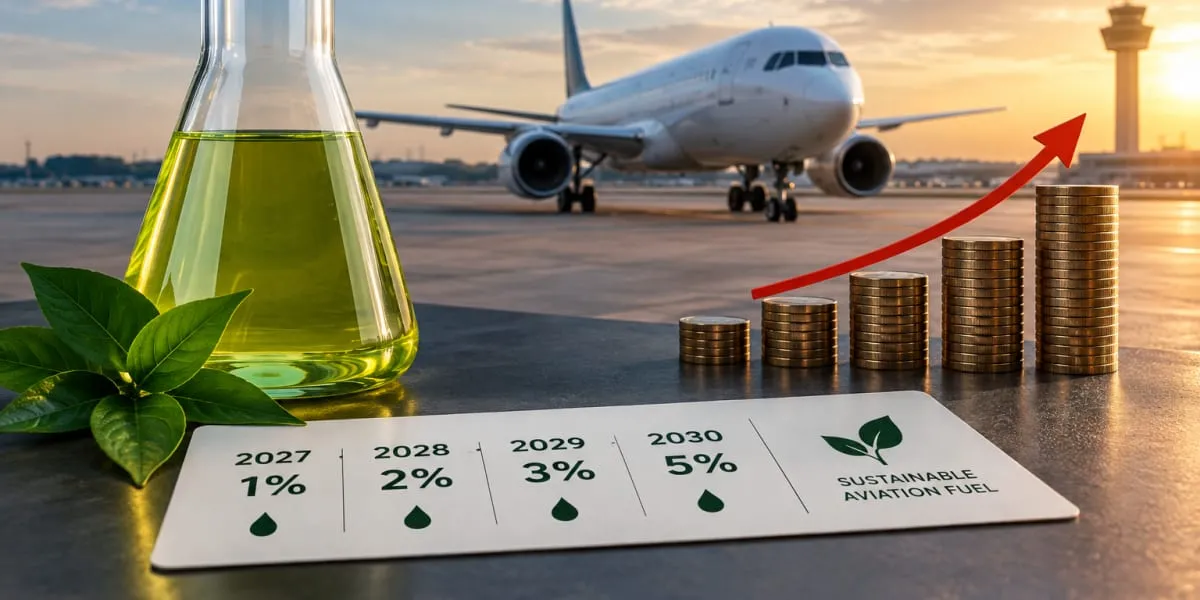
India’s draft sustainable aviation fuel (SAF) policy will require airlines to use a 1 per cent blend in 2027, with the mandate rising to 2 per cent in 2028, 3 per cent in 2029 and 5 per cent in 2030. The proposal is expected to increase carriers’ fuel costs as SAF currently costs 2 to 3 times more than conventional aviation fuel.

The draft, prepared by the civil aviation ministry, forms part of India’s efforts to reduce aviation emissions under the Carbon Offsetting and Reduction Scheme for International Aviation, administered by the UN aviation agency. India’s participation in the scheme makes the proposed use of blended aviation fuel mandatory from January 2027.

The initial effect on airline finances is likely to be limited because the required blend will be small, but the pressure could grow as the targets rise. IndiGo, India’s largest carrier, reported a net loss of Rs. 18.79 bn in the September quarter, while its fuel bill increased 67.2 per cent to Rs. 99.67 bn. The government is also considering support measures, including a Rs. 5 bn innovation fund, to encourage production.

SAF can be produced from agricultural waste and used cooking oil, and can reduce lifecycle emissions by up to 80 per cent compared with conventional jet fuel. It can be used in existing aircraft engines if it meets prescribed standards, but the effect on fares will depend on availability, production costs, competition and the extent to which airlines can pass on higher expenses.

The policy would place supply obligations on fuel companies, while airlines would be required to use the fuel. Suppliers could meet targets through physical blending or by purchasing credits, and airlines would have to source at least 90 per cent of fuel for international flights from Indian airports. The government plans to support feedstock collection, storage, blending and distribution. India could produce about 10 mn tonnes of SAF annually by 2040, requiring investment of $70-85 bn. The policy is expected to undergo consultation before finalisation.

India’s draft sustainable aviation fuel (SAF) policy will require airlines to use a 1 per cent blend in 2027, with the mandate rising to 2 per cent in 2028, 3 per cent in 2029 and 5 per cent in 2030. The proposal is expected to increase carriers’ fuel costs as SAF currently costs 2 to 3 times more than conventional aviation fuel. The draft, prepared by the civil aviation ministry, forms part of India’s efforts to reduce aviation emissions under the Carbon Offsetting and Reduction Scheme for International Aviation, administered by the UN aviation agency. India’s participation in the scheme makes the proposed use of blended aviation fuel mandatory from January 2027. The initial effect on airline finances is likely to be limited because the required blend will be small, but the pressure could grow as the targets rise. IndiGo, India’s largest carrier, reported a net loss of Rs. 18.79 bn in the September quarter, while its fuel bill increased 67.2 per cent to Rs. 99.67 bn. The government is also considering support measures, including a Rs. 5 bn innovation fund, to encourage production. SAF can be produced from agricultural waste and used cooking oil, and can reduce lifecycle emissions by up to 80 per cent compared with conventional jet fuel. It can be used in existing aircraft engines if it meets prescribed standards, but the effect on fares will depend on availability, production costs, competition and the extent to which airlines can pass on higher expenses. The policy would place supply obligations on fuel companies, while airlines would be required to use the fuel. Suppliers could meet targets through physical blending or by purchasing credits, and airlines would have to source at least 90 per cent of fuel for international flights from Indian airports. The government plans to support feedstock collection, storage, blending and distribution. India could produce about 10 mn tonnes of SAF annually by 2040, requiring investment of $70-85 bn. The policy is expected to undergo consultation before finalisation.

Related Stories

Gold Stories
Next Story
Equipment

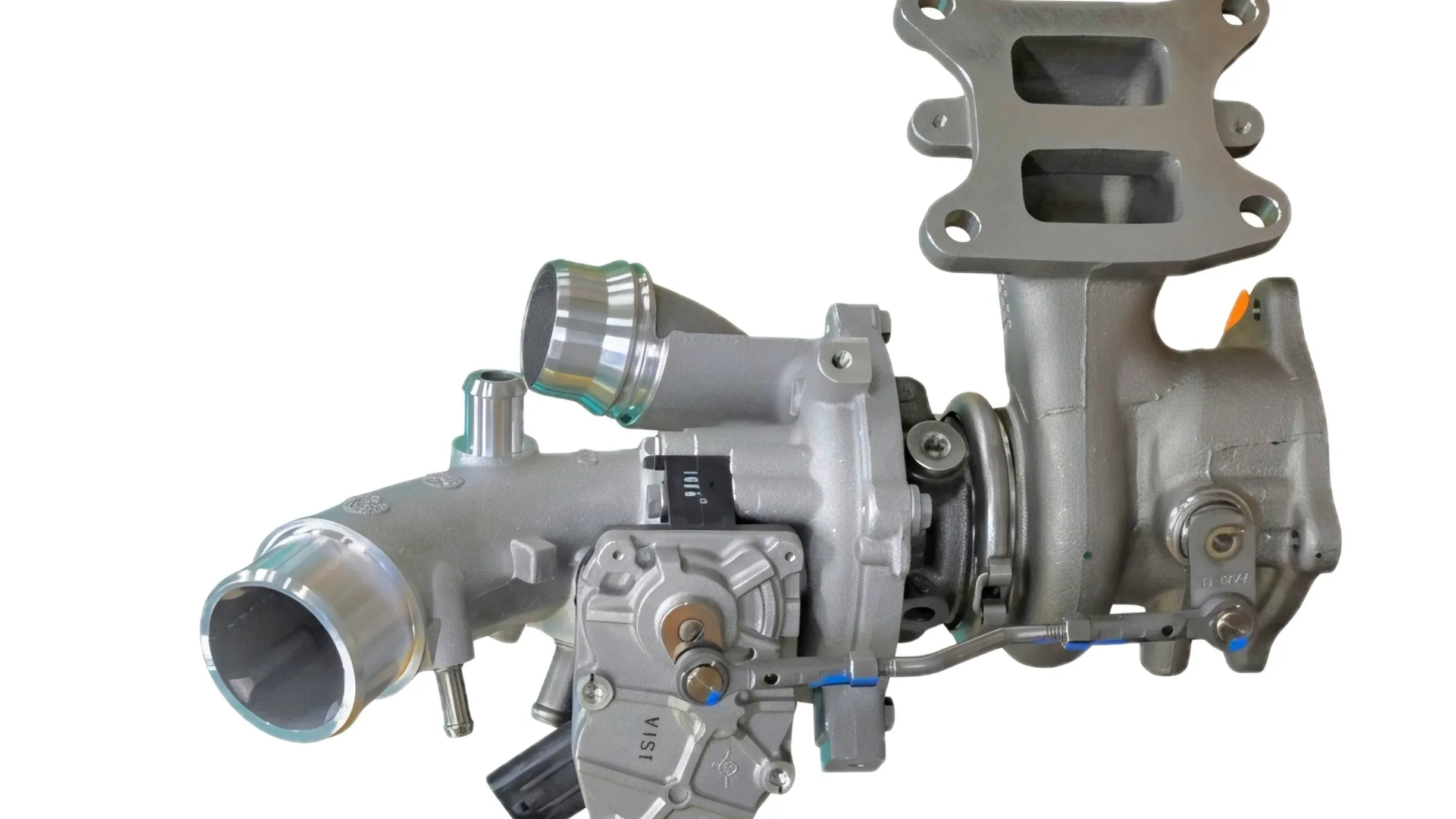
BorgWarner secures three turbocharger contracts with global powertrain leader

BorgWarner has secured three new turbocharger contracts with a global powertrain technology company. The wins comprise one contract for its variable turbine geometry (VTG) turbocharger and two for its wastegate turbocharger. The technologies will be deployed in the customer's light-vehicle gasoline platforms in South America and Europe, with production scheduled to begin in 2027.The VTG turbochargers are designed for gasoline engines operating under demanding conditions and high-boost pressure requirements. They are engineered to support Miller-cycle engines and withstand exhaust temperatures ..
Next Story
Infrastructure Transport

International Digi Yatra Trials Begin at Seven Airports

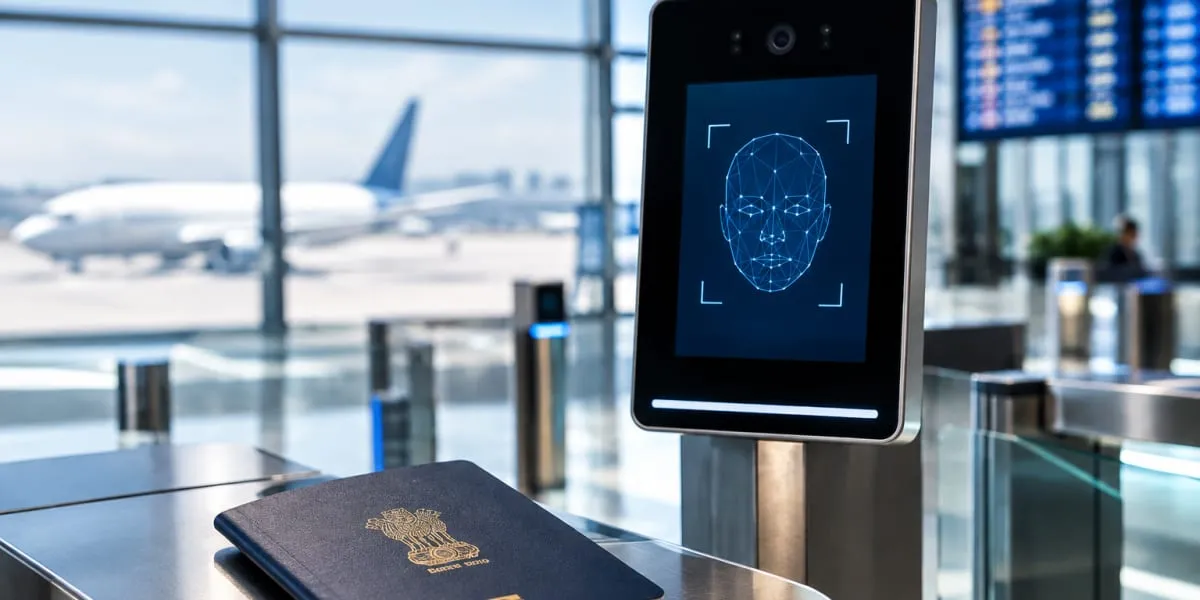
India has begun trials of Digi Yatra for international passengers at seven airports, allowing eligible Indian passport holders to use facial recognition at selected airport checkpoints. The facility is currently limited to Indian nationals with e-passports travelling on selected international flights operated by Air India and IndiGo. The Civil Aviation Ministry announced the trials on 1 November, with testing scheduled through December 2026. A wider rollout is expected in 2027 after the ministry assesses passenger feedback gathered during the trial period, according to PTI. The system is inten..
Next Story
Infrastructure Transport

Air India Plans More Wide-Body Jets, CEO Signals Profitability Soon

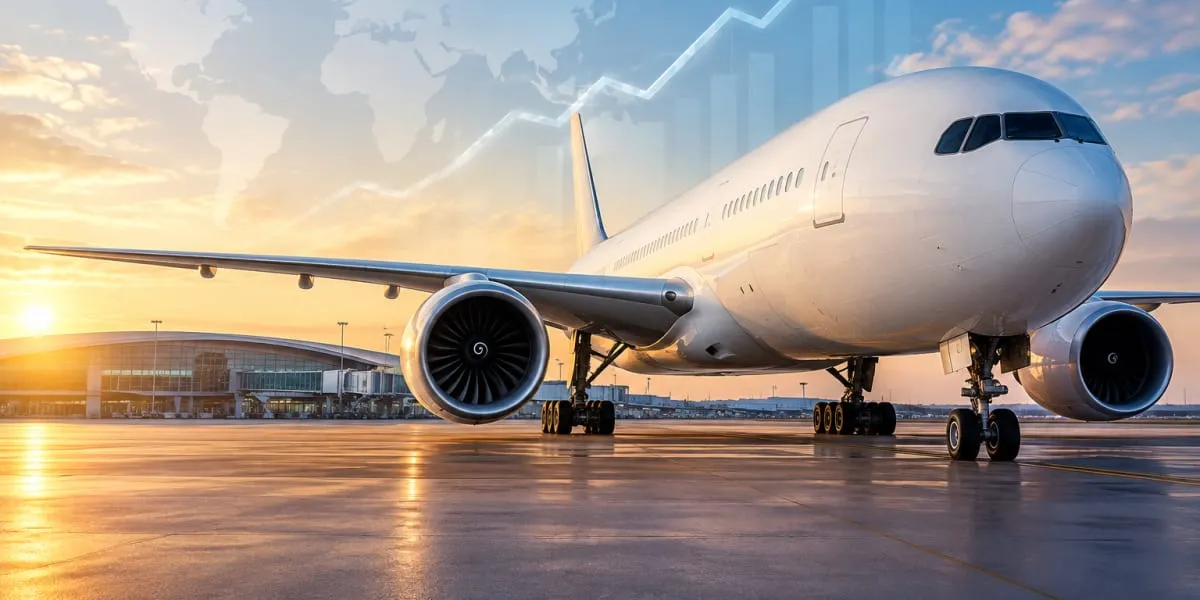
Air India is seeking to expand its order for wide-body aircraft as it works to increase international passenger traffic, chief executive Tewolde Gebremariam said on Tuesday. The Tata Group-owned carrier is also targeting a return to profitability in the near term, as its turnaround programme addresses fleet, network and service challenges. The comments came months after Gebremariam took charge of the airline. Gebremariam, who previously led Ethiopian Airlines, said the airline wanted more wide-body aircraft. Air India has held discussions with Boeing and Airbus while assessing the economics of..

Advertisement

Subscribe to Our Newsletter

Get daily newsletters around different themes from Construction world.

STAY CONNECTED

Advertisement

SPECIAL OFFER
QR Code