

PNGRB Proposes Up to 5 Per Cent Hydrogen Blending in D-PNG
OIL & GAS

PNGRB Proposes Up to 5 Per Cent Hydrogen Blending in D-PNG

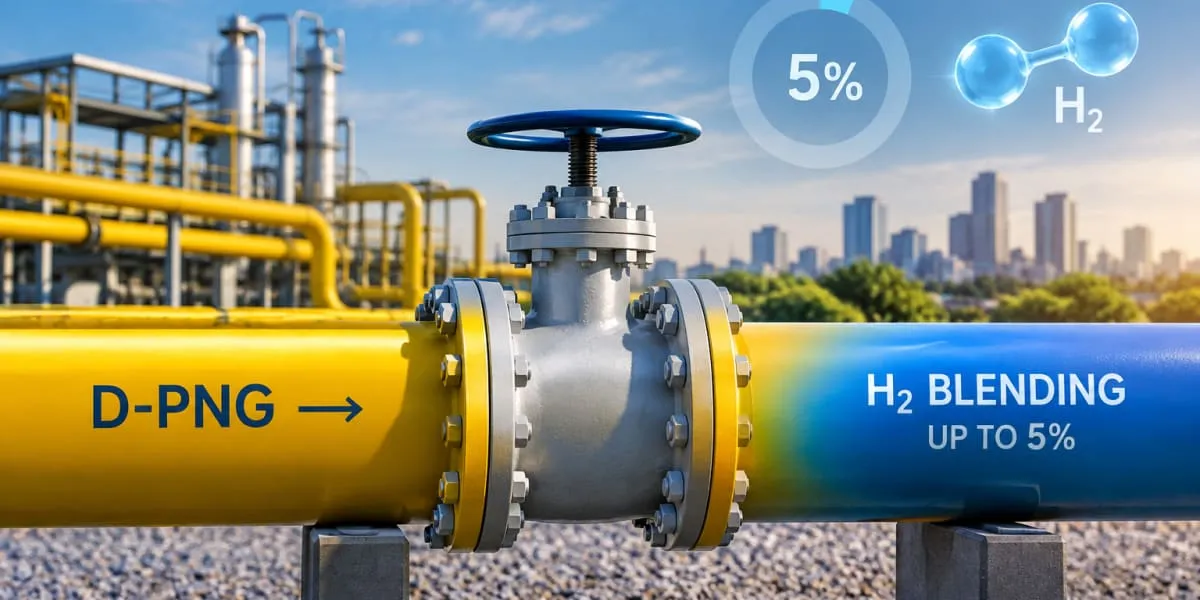
The Petroleum and Natural Gas Regulatory Board (PNGRB) has proposed allowing hydrogen blending of up to 5 per cent in domestic piped natural gas (D-PNG) supplies. Under the draft guidelines, commercial supply of hydrogen-blended natural gas (HNG) would not exceed the specified limit and would remain subject to existing city gas distribution (CGD) obligations.

The proposed framework preserves requirements covering safety, pipeline and equipment integrity, gas quality, metering, billing, service standards, emergency response and complaint handling. The PNGRB may reduce the permitted concentration, introduce additional controls, suspend HNG supplies or require a return to natural gas if evidence, incidents, complaints, billing errors or uncertainty raise concerns about safety or compliance.

Consumers, local authorities and emergency services would have to receive advance information about hydrogen concentration, billing arrangements, appliance guidance, emergency procedures and the rollout schedule. The guidelines would cover the chain from the hydrogen receipt and interface point through the blending facility and downstream commercial deployment area to domestic installations.

Hydrogen production, transportation, compression and storage before the interface point, including upstream mobile cascade systems, would fall outside the framework and remain subject to applicable laws and approvals from the relevant authorities. The proposal excludes blending in compressed natural gas (CNG), automotive applications, transmission pipelines, pure hydrogen supply, refuelling, deblending and non-domestic PNG.

The draft also sets requirements for gas quality, hydrogen concentration, mixture homogeneity, interchangeability and odourisation. It provides for emergency isolation, suspension of supplies and restoration of natural gas service. The initiative supports the government’s effort to promote cleaner fuels and reduce dependence on imported crude oil and natural gas, while recognising the heightened fire and explosion risks associated with hydrogen’s flammability.

The Petroleum and Natural Gas Regulatory Board (PNGRB) has proposed allowing hydrogen blending of up to 5 per cent in domestic piped natural gas (D-PNG) supplies. Under the draft guidelines, commercial supply of hydrogen-blended natural gas (HNG) would not exceed the specified limit and would remain subject to existing city gas distribution (CGD) obligations. The proposed framework preserves requirements covering safety, pipeline and equipment integrity, gas quality, metering, billing, service standards, emergency response and complaint handling. The PNGRB may reduce the permitted concentration, introduce additional controls, suspend HNG supplies or require a return to natural gas if evidence, incidents, complaints, billing errors or uncertainty raise concerns about safety or compliance. Consumers, local authorities and emergency services would have to receive advance information about hydrogen concentration, billing arrangements, appliance guidance, emergency procedures and the rollout schedule. The guidelines would cover the chain from the hydrogen receipt and interface point through the blending facility and downstream commercial deployment area to domestic installations. Hydrogen production, transportation, compression and storage before the interface point, including upstream mobile cascade systems, would fall outside the framework and remain subject to applicable laws and approvals from the relevant authorities. The proposal excludes blending in compressed natural gas (CNG), automotive applications, transmission pipelines, pure hydrogen supply, refuelling, deblending and non-domestic PNG. The draft also sets requirements for gas quality, hydrogen concentration, mixture homogeneity, interchangeability and odourisation. It provides for emergency isolation, suspension of supplies and restoration of natural gas service. The initiative supports the government’s effort to promote cleaner fuels and reduce dependence on imported crude oil and natural gas, while recognising the heightened fire and explosion risks associated with hydrogen’s flammability.

Related Stories

Gold Stories

Next Story
Infrastructure Urban

Welspun One unveils Diwali campaign for World Trade Center Thane

Welspun One has unveiled A Dream Diwali, a festive brand film promoting World Trade Center Thane, its proposed mixed-use development in the Mumbai Metropolitan Region (MMR). The campaign uses individual interpretations of an ideal Diwali to introduce the experiences and offerings planned at the development.The film follows different characters as they share their festive wishes and go about activities such as shopping, meeting friends, playing games and spending time with family. Through these everyday moments, the campaign presents the idea that celebrations are personal and that different ge..
Next Story
Equipment

BorgWarner secures three turbocharger contracts with global powertrain leader

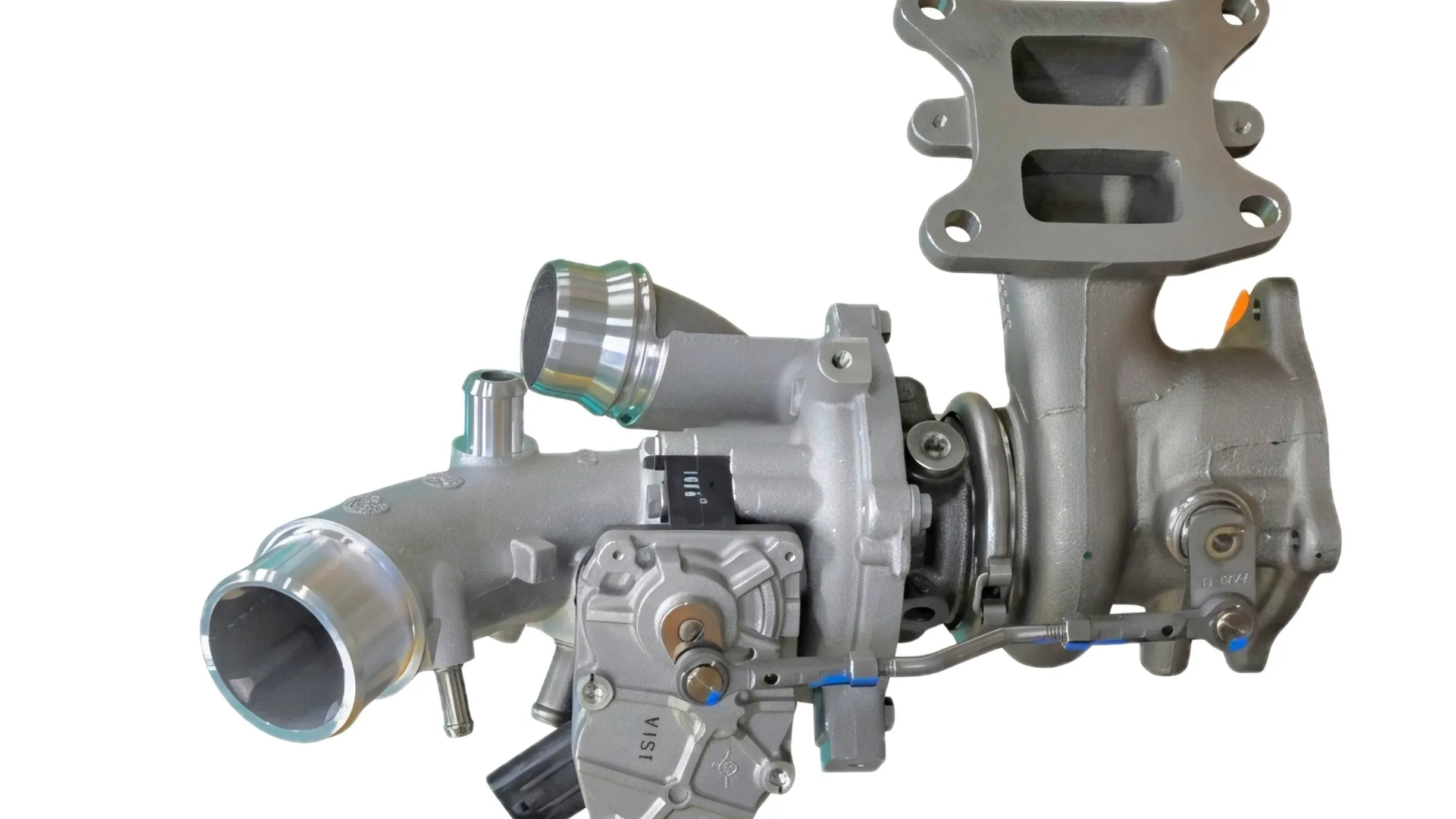
BorgWarner has secured three new turbocharger contracts with a global powertrain technology company. The wins comprise one contract for its variable turbine geometry (VTG) turbocharger and two for its wastegate turbocharger. The technologies will be deployed in the customer's light-vehicle gasoline platforms in South America and Europe, with production scheduled to begin in 2027.The VTG turbochargers are designed for gasoline engines operating under demanding conditions and high-boost pressure requirements. They are engineered to support Miller-cycle engines and withstand exhaust temperatures ..

Next Story
Infrastructure Transport

International Digi Yatra Trials Begin at Seven Airports

India has begun trials of Digi Yatra for international passengers at seven airports, allowing eligible Indian passport holders to use facial recognition at selected airport checkpoints. The facility is currently limited to Indian nationals with e-passports travelling on selected international flights operated by Air India and IndiGo. The Civil Aviation Ministry announced the trials on 1 November, with testing scheduled through December 2026. A wider rollout is expected in 2027 after the ministry assesses passenger feedback gathered during the trial period, according to PTI. The system is inten..

Advertisement

Subscribe to Our Newsletter

Get daily newsletters around different themes from Construction world.

STAY CONNECTED

Advertisement

SPECIAL OFFER
QR Code