India Plans Second Gas Exchange for Futures Trading
OIL & GAS

India Plans Second Gas Exchange for Futures Trading

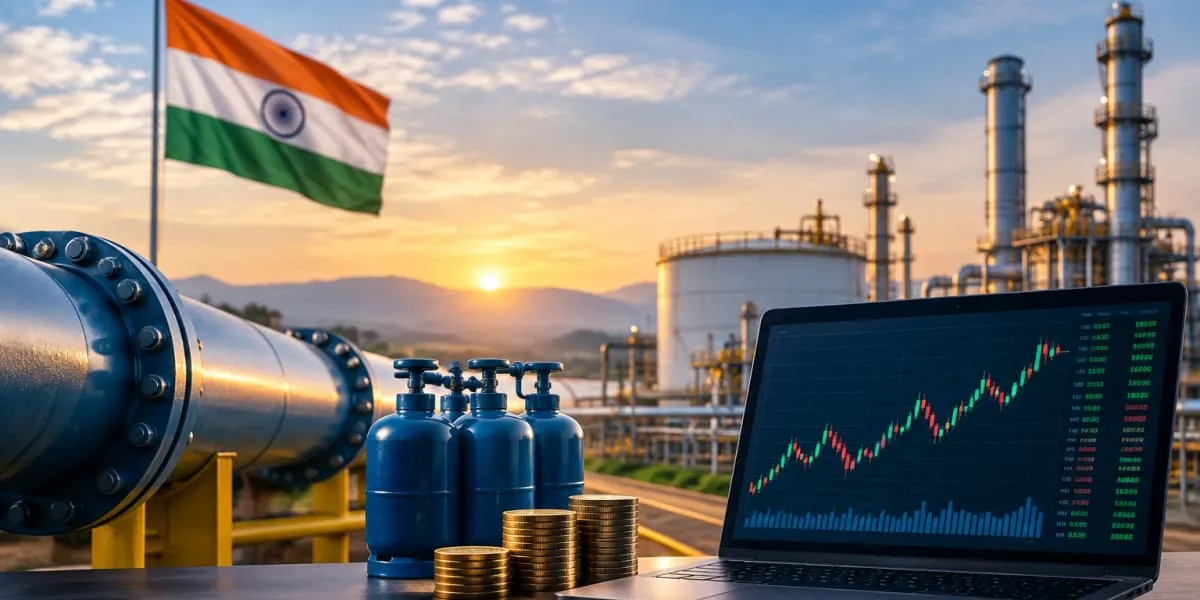
India’s downstream gas and petroleum product regulator plans to facilitate the establishment of a second gas exchange, seeking to deepen futures trading and improve access to transparent domestic markets for energy products. The initiative comes as energy security has gained prominence following the conflict in West Asia and concerns about diversifying supplies.

The Petroleum and Natural Gas Regulatory Board (PNGRB) is expected to invite proposals from companies interested in establishing the exchange. The regulator intends to make the platform operational during the current financial year, according to people familiar with the developments.

The proposed exchange is expected to support trading in natural gas as well as petroleum products that are not currently traded on Indian exchanges. These products are likely to include aviation turbine fuel and naphtha, broadening the range of energy commodities available through organised market mechanisms.

The plan is also intended to deepen futures trading in gas and related products. Greater participation on exchanges could make these markets more accessible to buyers and sellers while supporting more transparent price discovery, according to the summary of the proposal.

PNGRB’s move would add another organised platform to India’s developing energy market infrastructure. The regulator’s focus on proposals, product coverage and implementation during the current financial year indicates an effort to expand domestic trading mechanisms as energy security becomes a central policy concern. The exchange would cover products linked to both natural gas and petroleum markets, although details on its ownership, operating model and launch timetable have not been disclosed.

India’s downstream gas and petroleum product regulator plans to facilitate the establishment of a second gas exchange, seeking to deepen futures trading and improve access to transparent domestic markets for energy products. The initiative comes as energy security has gained prominence following the conflict in West Asia and concerns about diversifying supplies. The Petroleum and Natural Gas Regulatory Board (PNGRB) is expected to invite proposals from companies interested in establishing the exchange. The regulator intends to make the platform operational during the current financial year, according to people familiar with the developments. The proposed exchange is expected to support trading in natural gas as well as petroleum products that are not currently traded on Indian exchanges. These products are likely to include aviation turbine fuel and naphtha, broadening the range of energy commodities available through organised market mechanisms. The plan is also intended to deepen futures trading in gas and related products. Greater participation on exchanges could make these markets more accessible to buyers and sellers while supporting more transparent price discovery, according to the summary of the proposal. PNGRB’s move would add another organised platform to India’s developing energy market infrastructure. The regulator’s focus on proposals, product coverage and implementation during the current financial year indicates an effort to expand domestic trading mechanisms as energy security becomes a central policy concern. The exchange would cover products linked to both natural gas and petroleum markets, although details on its ownership, operating model and launch timetable have not been disclosed.

Related Stories

Gold Stories

Next Story
Infrastructure Energy

JSW Motors Signs MoU with ARAI for Vehicle Development

JSW Motors, the passenger vehicle arm of JSW Group, has signed a memorandum of understanding (MoU) with the Automotive Research Association of India (ARAI) for technical collaboration on the design, validation and localisation of new energy vehicles (NEVs). The agreement is intended to create technical foundations for vehicles designed for Indian operating conditions. The companies will work on vehicle engineering and technical baselines, testing, validation and performance assessment, according to JSW Motors. Their programme will also cover advanced driver assistance systems (ADAS), battery s..

Next Story
Infrastructure Urban

Karnataka Offers Support for Toyota Expansion Plans

Karnataka Chief Minister D K Shivakumar assured Toyota Motor Corporation of the state government’s support for expanding its manufacturing operations during a meeting with the company’s senior leadership in Japan. The discussions covered higher production, new mobility solutions and further investment in Karnataka, as Toyota looks to increase vehicle production capacity to 1 mn in the near future. Shivakumar was accompanied by M B Patil, Karnataka’s Minister for Large and Medium Industries and Infrastructure Development. The Toyota delegation was led by Masakazu Yoshimura, the company’..
Next Story
Infrastructure Transport

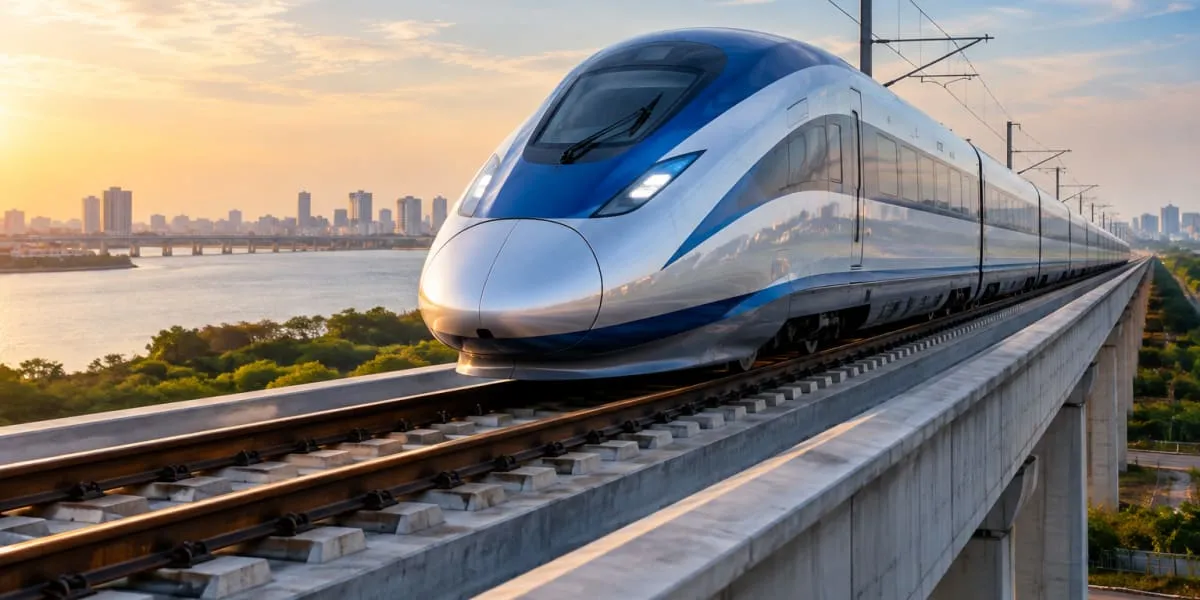
Railways to Begin Bullet Train Trial on Surat-Bilimora Section

Indian Railways will begin a trial run of its bullet train service on the 50 km Surat-Bilimora section by May 2027. The section is part of the Mumbai-Ahmedabad high-speed rail corridor and is expected to provide the first operational segment of the project. The trial will use an indigenous trainset capable of travelling at 280 km per hour. Railway Ministry sources said the first section of the corridor, extending from Surat to Vapi, is scheduled to become operational by the end of 2027. The planned trial marks a step towards introducing high-speed rail services on the corridor, which connects ..

Subscribe to Our Newsletter

Get daily newsletters around different themes from Construction world.

STAY CONNECTED

Advertisement

SPECIAL OFFER
QR Code