


PNGRB’s new open-access proposal faces backlash
OIL & GAS

PNGRB’s new open-access proposal faces backlash

The Petroleum and Natural Gas Regulatory Board (PNGRB) has faced a backlash from top city gas distribution (CGD) companies regarding the proposed change in the open-access of the sector. Several companies came forward to stress the after-effects of the new draft directly affecting them. In the open house for discussing the draft conducted by PNGRB earlier this week, companies like Torrent Gas, Adani Gas, Gujarat Gas (GGL), Mahanagar Gas (MGL), and Indraprastha Gas (IG) have taken part actively. They raised concerns over the effect of the new proposal on companies that made big investments.

The companies expressed their disagreement with PNRB's decision to remove the exclusive position of the supplier after the completion of five years. Torrent Gas has specifically called out this newly drafted proposal and referred to it as the infringement on the infrastructure exclusivity of entities. The statement further explains the consequences the proposal will have on companies that are making a large sum of investment.

A senior bureaucrat working in the related field commented that the new draft of open access had made the existing issues of CGD penetration more complex without really providing a concrete solution for it. According to the top-tier companies, the draft has made the CGD sector more vulnerable and, thus in turn, affecting its total productivity and contribution to the sector.

According to IGL, the new regulation has pushed to make the CGD sector more economically unviable and will narrow down its role to the PNG domestic segment only. Many companies have stated that PNGRB has been continuously rejecting their pleas and valid concerns. Even though the affected companies have reached out to PNGRB, they don't seem to be cooperative and accommodating.

One of the prominent agencies in the field, Adani Gas Limited, has come out with an opposing statement pointing out the unfair advantage meted out to third party dealers. By following the New Draft Access Code, new marketers and shippers will have the provision to "cherry-pick" customers, thus employing a very selective approach to the customer segments. It will give space for the dealers to be more opportunistic and exploitative, thus directly affecting the existing shareholders. 

Adani group further went on to add that the regulatory action will allow external entities to get easy access to authorized geographical areas and establish new CNG stations and dispensers at the site. The very action turns out to be a serious infringement of the basic rights of CGD entities and goes against the ways through which the existing entities got access to authorized land.

Gujarat Gas Limited proposed that PNGRB should take note of all litigation filed by the companies before finalizing the draft of the new proposal. Since the CGD projects run on a large investment and an elongated time frame, PNGRB has decided to extend the market exclusivity from 5 to 8 years, as stated by GAIL Gas Limited. 

A senior government official has expressed his concern over the enactment of feedback received in the open house session. This process has triggered responses from top-tier GCD entities, and a reevaluation of the draft by PNGRB is highly anticipated. 


The Petroleum and Natural Gas Regulatory Board (PNGRB) has faced a backlash from top city gas distribution (CGD) companies regarding the proposed change in the open-access of the sector. Several companies came forward to stress the after-effects of the new draft directly affecting them. In the open house for discussing the draft conducted by PNGRB earlier this week, companies like Torrent Gas, Adani Gas, Gujarat Gas (GGL), Mahanagar Gas (MGL), and Indraprastha Gas (IG) have taken part actively. They raised concerns over the effect of the new proposal on companies that made big investments.The companies expressed their disagreement with PNRB's decision to remove the exclusive position of the supplier after the completion of five years. Torrent Gas has specifically called out this newly drafted proposal and referred to it as the infringement on the infrastructure exclusivity of entities. The statement further explains the consequences the proposal will have on companies that are making a large sum of investment.A senior bureaucrat working in the related field commented that the new draft of open access had made the existing issues of CGD penetration more complex without really providing a concrete solution for it. According to the top-tier companies, the draft has made the CGD sector more vulnerable and, thus in turn, affecting its total productivity and contribution to the sector.According to IGL, the new regulation has pushed to make the CGD sector more economically unviable and will narrow down its role to the PNG domestic segment only. Many companies have stated that PNGRB has been continuously rejecting their pleas and valid concerns. Even though the affected companies have reached out to PNGRB, they don't seem to be cooperative and accommodating.One of the prominent agencies in the field, Adani Gas Limited, has come out with an opposing statement pointing out the unfair advantage meted out to third party dealers. By following the New Draft Access Code, new marketers and shippers will have the provision to cherry-pick customers, thus employing a very selective approach to the customer segments. It will give space for the dealers to be more opportunistic and exploitative, thus directly affecting the existing shareholders. Adani group further went on to add that the regulatory action will allow external entities to get easy access to authorized geographical areas and establish new CNG stations and dispensers at the site. The very action turns out to be a serious infringement of the basic rights of CGD entities and goes against the ways through which the existing entities got access to authorized land.Gujarat Gas Limited proposed that PNGRB should take note of all litigation filed by the companies before finalizing the draft of the new proposal. Since the CGD projects run on a large investment and an elongated time frame, PNGRB has decided to extend the market exclusivity from 5 to 8 years, as stated by GAIL Gas Limited. A senior government official has expressed his concern over the enactment of feedback received in the open house session. This process has triggered responses from top-tier GCD entities, and a reevaluation of the draft by PNGRB is highly anticipated. 

Related Stories

Gold Stories
Next Story
Real Estate

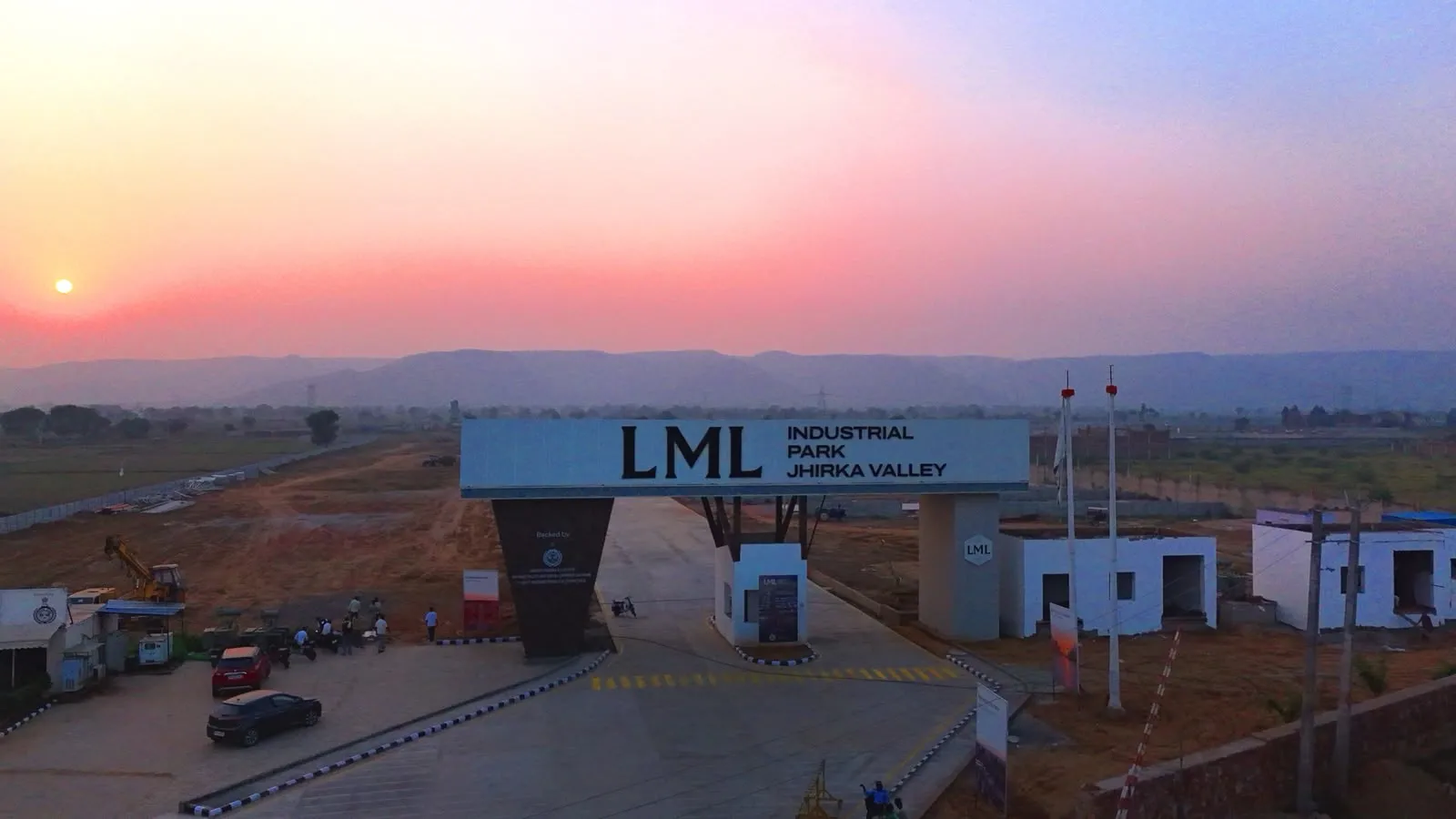
LML Realty Sells Out Jhirka Valley Industrial Park in Haryana

LML Realty, the real estate arm of LML Group, recently announced the complete sell-out of its Jhirka Valley Industrial Park in Haryana, with over 1.17 million sq ft of industrial space acquired by more than 50 companies. With utilities and internal infrastructure in place, the company has commenced plot handovers, enabling buyers to begin construction and establish their operations.The industrial park has attracted companies across diverse sectors, including chemicals, metals and alloys, textiles, electrical equipment, energy, logistics, construction, polymers and engineering. Key buyers inclu..

Next Story
Real Estate

WSB Real Estate Partners Exits Six Housing Investments

WSB Real Estate Partners recently announced the successful exit of six residential investments across Bengaluru, Mumbai Metropolitan Region (MMR) and National Capital Region (NCR), delivering an average internal rate of return (IRR) of 19–21 per cent and an overall investment return of 1.4 times.The real estate-focused investment firm invested approximately Rs 7 billion across six mid-affordable housing projects over the past four years. All six investments were fully repaid between April and November 2026, several months ahead of their original investment tenures.WSB collaborated with sever..

Next Story
Infrastructure Transport

Aluminium Industry Seeks Policy Support for Rs 4 Trillion Investment

The Aluminium Association of India (AAI) has recently urged the government to introduce supportive policy measures to safeguard the sector’s proposed Rs 4 trillion investment pipeline. The association highlighted the need for a predictable policy framework to strengthen domestic manufacturing, expand production capacity and reduce import dependence.AAI submitted its recommendations for the Union Budget 2027-28 to the Ministries of Finance, Commerce and Industry, and Mines, along with the Department for Promotion of Industry and Internal Trade (DPIIT).India’s aluminium demand is projected t..

Subscribe to Our Newsletter

Get daily newsletters around different themes from Construction world.

STAY CONNECTED

Advertisement

SPECIAL OFFER
QR Code