

Trump Waiver Eases India’s Russian Oil Import Concerns
OIL & GAS

Trump Waiver Eases India’s Russian Oil Import Concerns

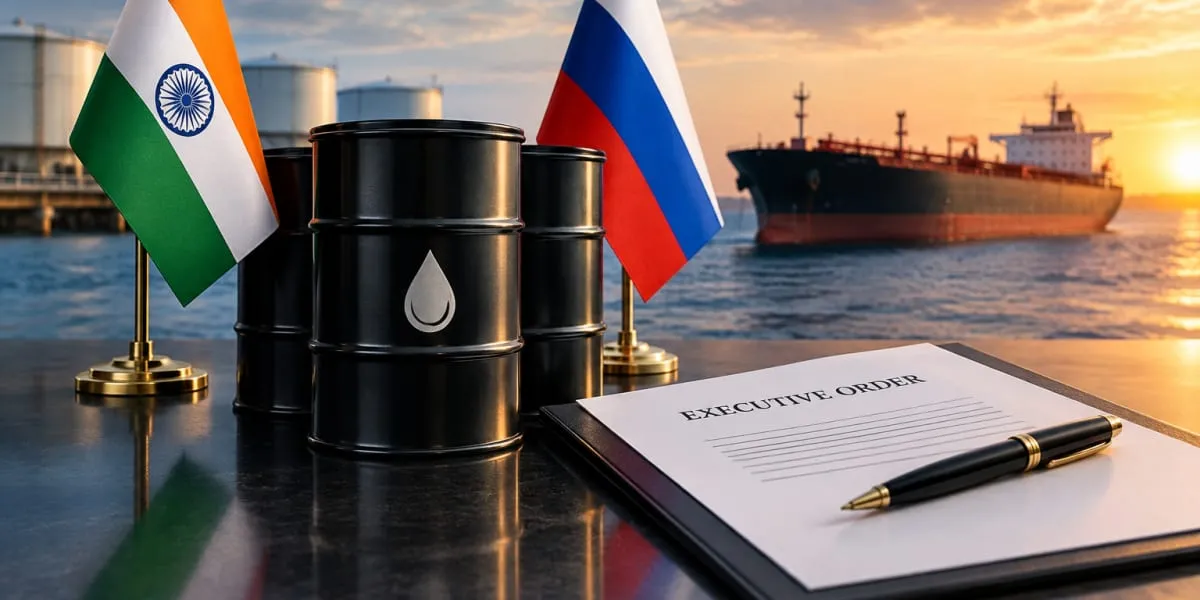
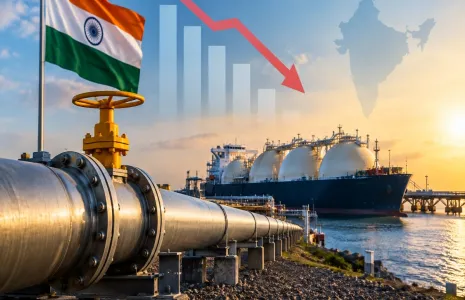
India is likely to continue importing Russian crude oil at around current levels after US President Donald Trump temporarily waived sanctions and tariffs targeting major buyers of Russian energy. The decision removes an immediate threat of steep trade penalties for countries purchasing Russian oil and could allow Indian refiners to retain access to discounted supplies.

Trump signed an executive order exempting buyers from sanctions, restrictions and duties authorised under the Lindsey O. Graham Sanctioning Russia and Iran Act. The waiver came a day before a 30-day enforcement deadline expired. The legislation, signed on September 18, had allowed tariffs of up to 100 per cent on goods from the five largest importers of Russian crude oil and natural gas, as well as sanctions against Russia’s shadow fleet of oil tankers.

The exemption is not limited to India and could also benefit China, although the US administration can reconsider the decision later. India was the largest importer of Russian seaborne crude, with purchases averaging 1.8 mn barrels per day in 2026, according to ship-tracking data. China followed at 1.2 mn barrels per day, while Italy, Turkey and the Netherlands completed the top five.

Indian imports were about 1.82 mn barrels per day in September, compared with approximately 1.49 mn barrels per day for China. Shipping analytics firm Kpler expects India’s purchases to remain between 1.8 mn and 1.9 mn barrels per day in October. However, volumes remain below the year’s highs, when imports reached 2.6 mn barrels per day in June and 2.57 mn barrels per day in July.

Russian crude gained importance for Indian refiners after Moscow invaded Ukraine in February 2022 and Western restrictions redirected discounted supplies towards Asian markets. Russian oil’s share of India’s imports, previously about 2 per cent or less, later rose to 40 to 50 per cent. Urals crude traded at an average discount of $23 per barrel to Brent in September 2026, preserving a significant cost advantage. A US Treasury decision on October 9 also allowed Russian diesel sales globally until April 7, 2027, making enforcement of the new law less likely.

India is likely to continue importing Russian crude oil at around current levels after US President Donald Trump temporarily waived sanctions and tariffs targeting major buyers of Russian energy. The decision removes an immediate threat of steep trade penalties for countries purchasing Russian oil and could allow Indian refiners to retain access to discounted supplies. Trump signed an executive order exempting buyers from sanctions, restrictions and duties authorised under the Lindsey O. Graham Sanctioning Russia and Iran Act. The waiver came a day before a 30-day enforcement deadline expired. The legislation, signed on September 18, had allowed tariffs of up to 100 per cent on goods from the five largest importers of Russian crude oil and natural gas, as well as sanctions against Russia’s shadow fleet of oil tankers. The exemption is not limited to India and could also benefit China, although the US administration can reconsider the decision later. India was the largest importer of Russian seaborne crude, with purchases averaging 1.8 mn barrels per day in 2026, according to ship-tracking data. China followed at 1.2 mn barrels per day, while Italy, Turkey and the Netherlands completed the top five. Indian imports were about 1.82 mn barrels per day in September, compared with approximately 1.49 mn barrels per day for China. Shipping analytics firm Kpler expects India’s purchases to remain between 1.8 mn and 1.9 mn barrels per day in October. However, volumes remain below the year’s highs, when imports reached 2.6 mn barrels per day in June and 2.57 mn barrels per day in July. Russian crude gained importance for Indian refiners after Moscow invaded Ukraine in February 2022 and Western restrictions redirected discounted supplies towards Asian markets. Russian oil’s share of India’s imports, previously about 2 per cent or less, later rose to 40 to 50 per cent. Urals crude traded at an average discount of $23 per barrel to Brent in September 2026, preserving a significant cost advantage. A US Treasury decision on October 9 also allowed Russian diesel sales globally until April 7, 2027, making enforcement of the new law less likely.

Related Stories

Gold Stories

Next Story
Infrastructure Transport

Alstom Automates Bengaluru Metro's 7.5 km Pink Line Section

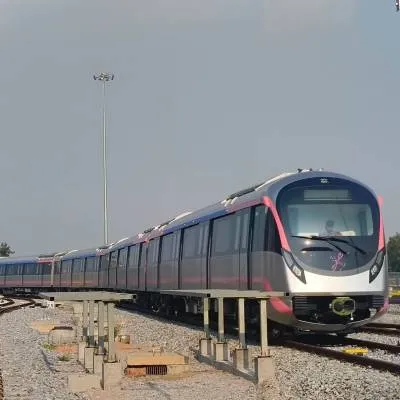
Alstom has announced the commencement of passenger services on the 7.5 km elevated priority section of Bengaluru Metro's Pink Line Reach 6, equipped with its communications-based train control (CBTC) signalling technology. The section connects key residential, educational and healthcare hubs across South Bengaluru, strengthening the city's urban transport network.The priority section operates under Grade of Automation 2 (GoA2), enabling automatic train operation (ATO) from the first day of revenue service, a first for an Indian metro project. Under this system, train acceleration and braking a..
Next Story
Infrastructure Transport

Alstom Begins Production of 96 Driverless Chennai Metro Cars

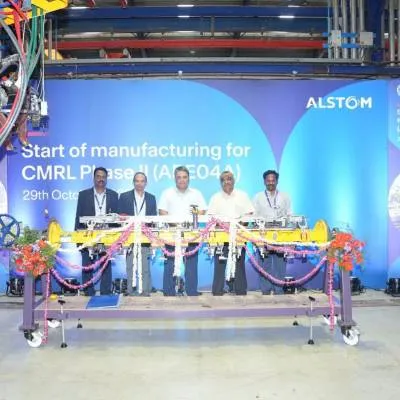
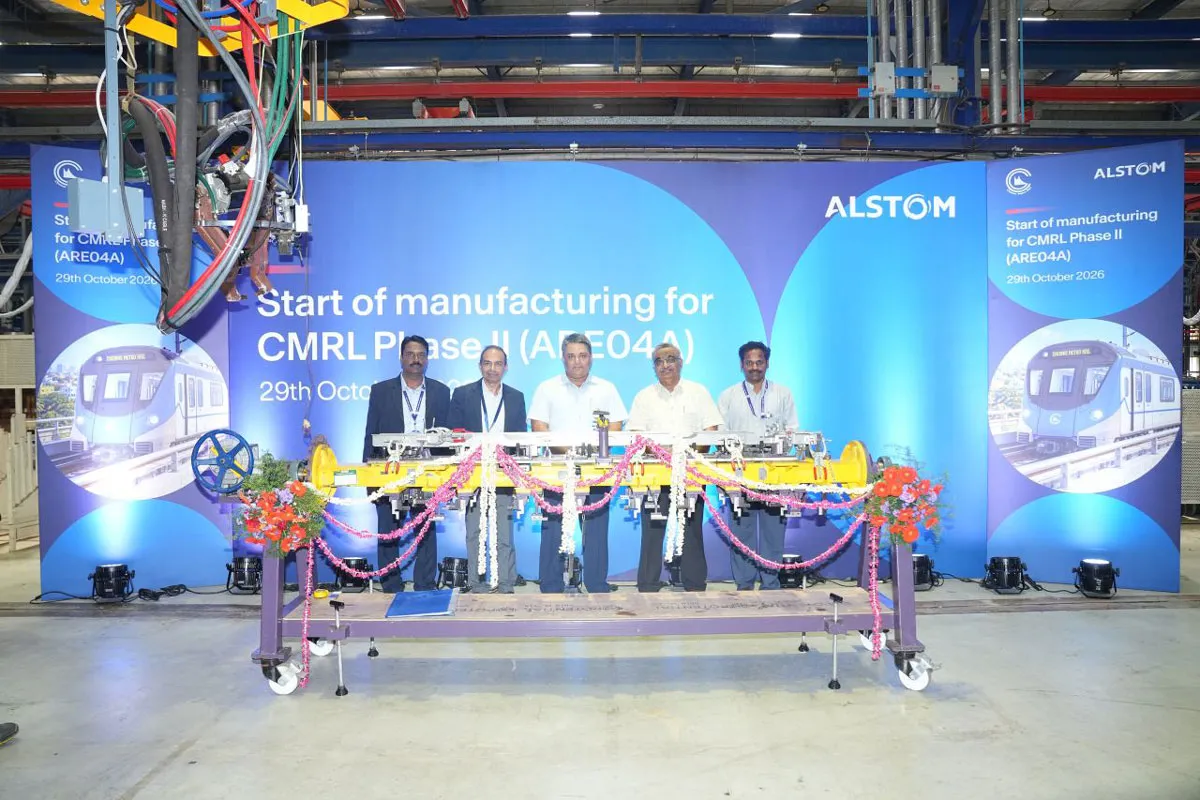
Alstom has commenced manufacturing 96 Metropolis driverless metro cars for Chennai Metro Phase II at its Sri City facility in Andhra Pradesh. The production forms part of a €135 million contract awarded by Chennai Metro Rail Limited (CMRL) in 2025, covering the design and manufacture of 32 three-car trainsets and 15 years of comprehensive maintenance following the warranty period.Chennai Metro Phase II spans approximately 119 km across three corridors and associated inter-corridor sections, comprising more than 76 km of elevated tracks and 43 km of underground routes.Under the Make in India ..

Next Story
Products

Hafele launches Alustro flexible shelving system

Häfele India has introduced the Alustro Flexible Shelving System, a modular storage solution designed to maximise space and offer flexibility in residential interiors. The system can be configured for applications such as room dividers, walk-in wardrobes, kitchen units, wall-mounted shelves and vanity mirrors.Alustro allows users to combine aluminium, wooden and glass shelves within a single structure. It supports shelf heights of up to 3,000 mm and section widths of up to 1,164 mm. Additional options include coat stand profiles with protective gaskets for wardrobes and front- or rear-facing ..

Advertisement

Subscribe to Our Newsletter

Get daily newsletters around different themes from Construction world.

STAY CONNECTED

Advertisement

SPECIAL OFFER
QR Code