Green Power Generation Lags AI Growth, Says Jitin Prasada
POWER & RENEWABLE ENERGY

Green Power Generation Lags AI Growth, Says Jitin Prasada

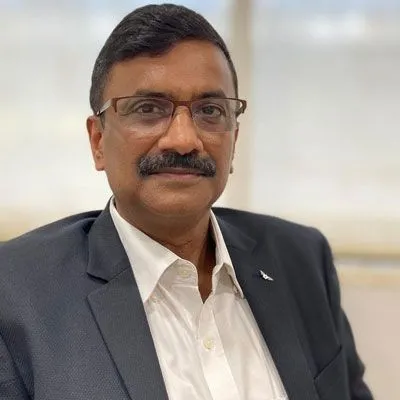
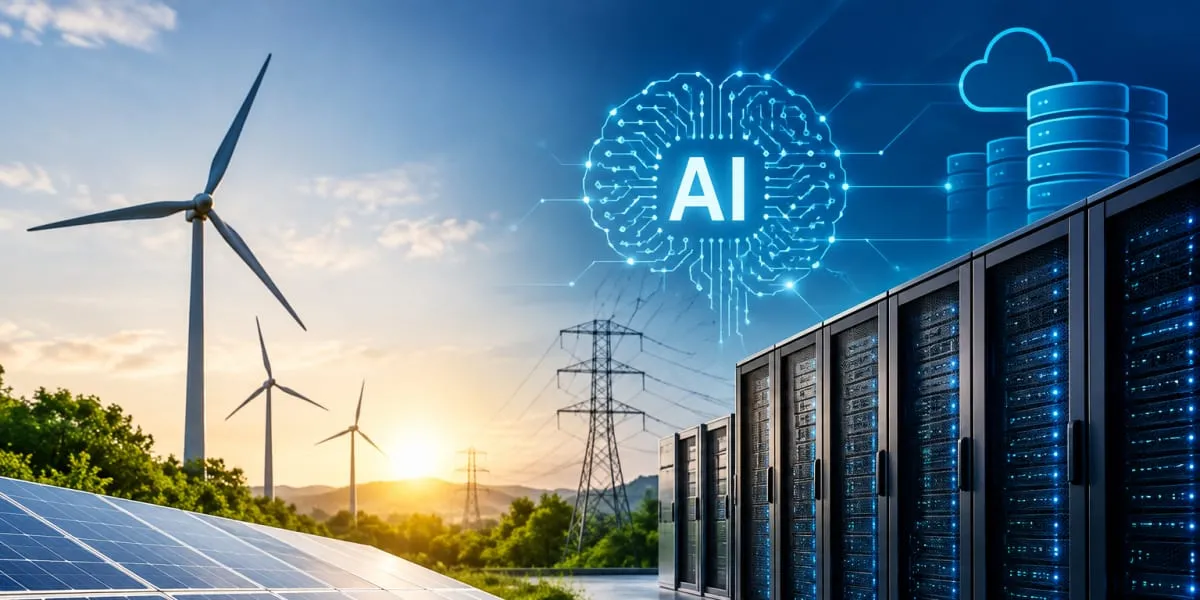
Union minister of state for electronics and information technology Jitin Prasada has warned that green power generation is not keeping pace with the rapid expansion of artificial intelligence (AI) and related technologies. He said India would need to strengthen its electricity infrastructure as demand for computing capacity and data centres increases.

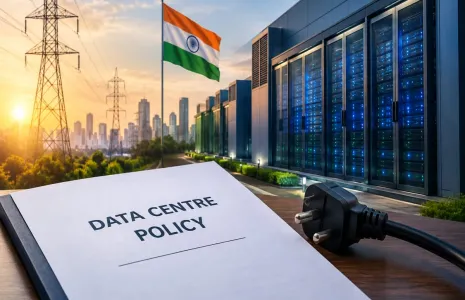
Addressing the Central Electricity Authority (CEA) Brainstorming Conclave on Making Indian Power Sector AI Enabled in New Delhi, Prasada highlighted the government’s plans to introduce a policy for data centres. He said India was well positioned to attract hyperscaler data centres and was preparing measures to support the sector’s expansion.

The minister cautioned that energy-intensive data centres should not place an additional burden on ordinary electricity consumers. He said the government wanted to avoid a situation in which data centres diverted power used by households and pushed up electricity costs for consumers.

Prasada also said access to green electricity would be an important factor in determining where future AI investments were located. Countries with stronger green power generation capacity would have an advantage in developing and deploying advanced technologies, he said, adding that India was well placed to increase production.

The minister further stressed the need to expand India’s domestic semiconductor ecosystem while maintaining cooperation with other countries. Building local capabilities was particularly important amid global uncertainty and supply-chain disruptions, he said, referring to the semiconductor shortage during the COVID-19 pandemic that affected automobile production.

His remarks underline the challenge of expanding AI infrastructure while ensuring reliable and affordable electricity for households. The issue is expected to become more significant as data centres increase their computing capacity and industrial power requirements. The proposed data centre policy will therefore need to address investment, energy availability and the use of renewable power alongside broader infrastructure needs.

Union minister of state for electronics and information technology Jitin Prasada has warned that green power generation is not keeping pace with the rapid expansion of artificial intelligence (AI) and related technologies. He said India would need to strengthen its electricity infrastructure as demand for computing capacity and data centres increases. Addressing the Central Electricity Authority (CEA) Brainstorming Conclave on Making Indian Power Sector AI Enabled in New Delhi, Prasada highlighted the government’s plans to introduce a policy for data centres. He said India was well positioned to attract hyperscaler data centres and was preparing measures to support the sector’s expansion. The minister cautioned that energy-intensive data centres should not place an additional burden on ordinary electricity consumers. He said the government wanted to avoid a situation in which data centres diverted power used by households and pushed up electricity costs for consumers. Prasada also said access to green electricity would be an important factor in determining where future AI investments were located. Countries with stronger green power generation capacity would have an advantage in developing and deploying advanced technologies, he said, adding that India was well placed to increase production. The minister further stressed the need to expand India’s domestic semiconductor ecosystem while maintaining cooperation with other countries. Building local capabilities was particularly important amid global uncertainty and supply-chain disruptions, he said, referring to the semiconductor shortage during the COVID-19 pandemic that affected automobile production. His remarks underline the challenge of expanding AI infrastructure while ensuring reliable and affordable electricity for households. The issue is expected to become more significant as data centres increase their computing capacity and industrial power requirements. The proposed data centre policy will therefore need to address investment, energy availability and the use of renewable power alongside broader infrastructure needs.

Related Stories

Gold Stories

Next Story
Infrastructure Urban

Welspun One unveils Diwali campaign for World Trade Center Thane

Welspun One has unveiled A Dream Diwali, a festive brand film promoting World Trade Center Thane, its proposed mixed-use development in the Mumbai Metropolitan Region (MMR). The campaign uses individual interpretations of an ideal Diwali to introduce the experiences and offerings planned at the development.The film follows different characters as they share their festive wishes and go about activities such as shopping, meeting friends, playing games and spending time with family. Through these everyday moments, the campaign presents the idea that celebrations are personal and that different ge..

Next Story
Equipment

BorgWarner secures three turbocharger contracts with global powertrain leader

BorgWarner has secured three new turbocharger contracts with a global powertrain technology company. The wins comprise one contract for its variable turbine geometry (VTG) turbocharger and two for its wastegate turbocharger. The technologies will be deployed in the customer's light-vehicle gasoline platforms in South America and Europe, with production scheduled to begin in 2027.The VTG turbochargers are designed for gasoline engines operating under demanding conditions and high-boost pressure requirements. They are engineered to support Miller-cycle engines and withstand exhaust temperatures ..

Next Story
Infrastructure Transport

International Digi Yatra Trials Begin at Seven Airports

India has begun trials of Digi Yatra for international passengers at seven airports, allowing eligible Indian passport holders to use facial recognition at selected airport checkpoints. The facility is currently limited to Indian nationals with e-passports travelling on selected international flights operated by Air India and IndiGo. The Civil Aviation Ministry announced the trials on 1 November, with testing scheduled through December 2026. A wider rollout is expected in 2027 after the ministry assesses passenger feedback gathered during the trial period, according to PTI. The system is inten..

Advertisement

Subscribe to Our Newsletter

Get daily newsletters around different themes from Construction world.

STAY CONNECTED

Advertisement

SPECIAL OFFER
QR Code