India and Kuwait to Strengthen Energy Ties and Explore Renewable Corp
POWER & RENEWABLE ENERGY

India and Kuwait to Strengthen Energy Ties and Explore Renewable Corp

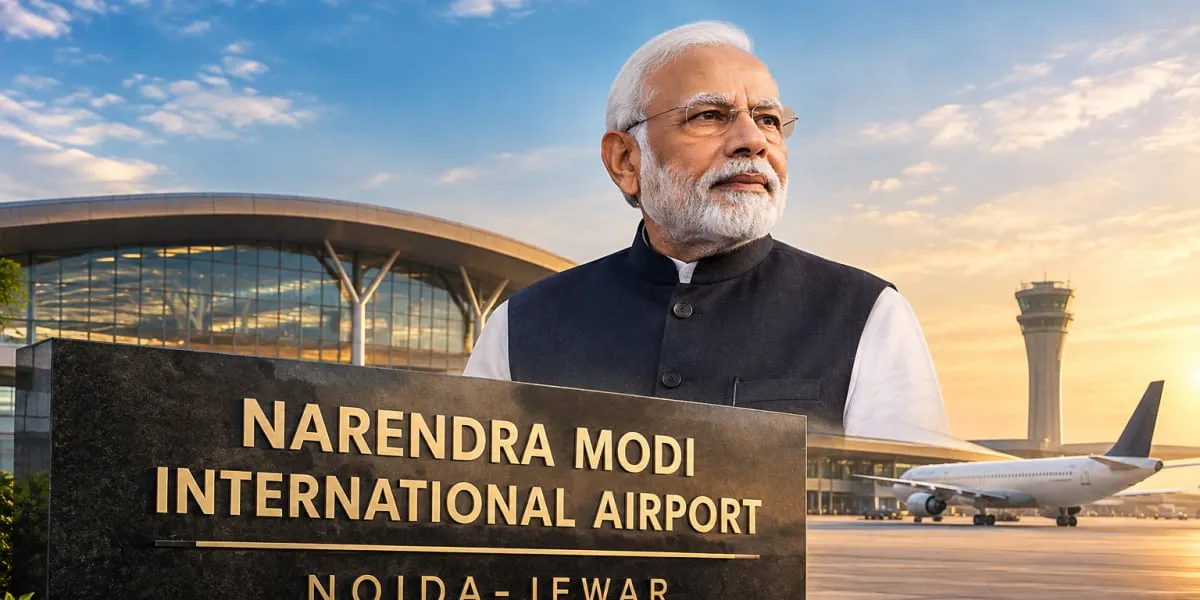
Prime Minister Narendra Modi’s first official visit to Kuwait concluded with both nations agreeing to elevate their bilateral relationship to a "Strategic Partnership." This decision aims to enhance cooperation in trade, defence, energy, and people-to-people ties.

PM Modi had been invited by His Highness Sheikh Meshal Al-Ahmad Al-Jaber Al-Sabah, the Amir of Kuwait, and attended the opening ceremony of the 26th Arabian Gulf Cup on December 21 as the Guest of Honour. During his two-day visit, the Amir conferred upon Modi Kuwait’s highest civilian award, The Order of Mubarak Al Kabeer.

At Bayan Palace, Modi held discussions with Kuwait’s Amir, Crown Prince Sheikh Sabah Al-Khaled Al-Sabah, and Prime Minister Sheikh Ahmad Abdullah Al-Sabah. The leaders signed agreements to expand cooperation in defence, culture, and sports, while also addressing global and regional challenges such as counter-terrorism and UN reforms.

In the area of defence, the two sides signed a Memorandum of Understanding (MoU) to facilitate joint military exercises, training, and the development of defence technology. Discussions also focused on transforming energy ties from a buyer-seller relationship to a comprehensive partnership, including collaborations in oil, gas, and renewable energy. Kuwait expressed interest in India’s Strategic Petroleum Reserve Programme.

Both nations agreed to expedite negotiations on the Bilateral Investment Treaty to enhance trade and attract investments in technology, healthcare, and logistics. Additionally, they announced the establishment of a Joint Commission on Cooperation (JCC) and additional Joint Working Groups (JWGs) to oversee progress in areas like education, counter-terrorism, and cultural exchanges.

India, as one of the fastest-growing major economies, welcomed Kuwait’s intention to invest in its infrastructure and food parks. Both sides emphasised strengthening business linkages and diversifying trade beyond hydrocarbons, agreeing to hold regular high-level meetings to sustain the momentum of bilateral cooperation.

Acknowledging the significant role of the Indian community in Kuwait, both sides reaffirmed their commitment to enhancing cultural exchanges and labour mobility. Agreements on a Cultural Exchange Programme for 2025-2029 and a sports cooperation programme were signed.

The visit marked a significant step in India-GCC relations, with Kuwait, as the current Chair of the GCC, pledging full support for India’s engagement with the bloc. Both sides also discussed expediting the India-GCC Free Trade Agreement.

PM Modi extended an invitation to Kuwait’s leadership for a reciprocal visit to India, expressing optimism about further strengthening ties in the years to come.

Prime Minister Narendra Modi’s first official visit to Kuwait concluded with both nations agreeing to elevate their bilateral relationship to a Strategic Partnership. This decision aims to enhance cooperation in trade, defence, energy, and people-to-people ties. PM Modi had been invited by His Highness Sheikh Meshal Al-Ahmad Al-Jaber Al-Sabah, the Amir of Kuwait, and attended the opening ceremony of the 26th Arabian Gulf Cup on December 21 as the Guest of Honour. During his two-day visit, the Amir conferred upon Modi Kuwait’s highest civilian award, The Order of Mubarak Al Kabeer. At Bayan Palace, Modi held discussions with Kuwait’s Amir, Crown Prince Sheikh Sabah Al-Khaled Al-Sabah, and Prime Minister Sheikh Ahmad Abdullah Al-Sabah. The leaders signed agreements to expand cooperation in defence, culture, and sports, while also addressing global and regional challenges such as counter-terrorism and UN reforms. In the area of defence, the two sides signed a Memorandum of Understanding (MoU) to facilitate joint military exercises, training, and the development of defence technology. Discussions also focused on transforming energy ties from a buyer-seller relationship to a comprehensive partnership, including collaborations in oil, gas, and renewable energy. Kuwait expressed interest in India’s Strategic Petroleum Reserve Programme. Both nations agreed to expedite negotiations on the Bilateral Investment Treaty to enhance trade and attract investments in technology, healthcare, and logistics. Additionally, they announced the establishment of a Joint Commission on Cooperation (JCC) and additional Joint Working Groups (JWGs) to oversee progress in areas like education, counter-terrorism, and cultural exchanges. India, as one of the fastest-growing major economies, welcomed Kuwait’s intention to invest in its infrastructure and food parks. Both sides emphasised strengthening business linkages and diversifying trade beyond hydrocarbons, agreeing to hold regular high-level meetings to sustain the momentum of bilateral cooperation. Acknowledging the significant role of the Indian community in Kuwait, both sides reaffirmed their commitment to enhancing cultural exchanges and labour mobility. Agreements on a Cultural Exchange Programme for 2025-2029 and a sports cooperation programme were signed. The visit marked a significant step in India-GCC relations, with Kuwait, as the current Chair of the GCC, pledging full support for India’s engagement with the bloc. Both sides also discussed expediting the India-GCC Free Trade Agreement. PM Modi extended an invitation to Kuwait’s leadership for a reciprocal visit to India, expressing optimism about further strengthening ties in the years to come.

Next Story
Infrastructure Urban

Mount Expands Tumkur Facility with New Automated Panel, PEB Lines

Mount Roofing & Structures Private Limited, one of India's fastest-growing manufacturers in PUF and a leading solutions provider across pre-engineered building (PEB) and polycarbonate sheets, simultaneously inaugurated its second fully automated continuous sandwich panel manufacturing line and a new PEB manufacturing plant at its integrated campus in Tumkur.The milestone expansion, part of a total investment of Rs 250 crore, marks a significant advancement in the company's commitment to engineered performance, manufacturing scale, and industrial growth. The integrated facility spans approx..

Next Story
Infrastructure Transport

India Becomes First to Produce Bio-Bitumen for Roads

India has become the first country in the world to commercially produce bio-bitumen for use in road construction, according to Road, Transport and Highways Minister Nitin Gadkari. Bitumen, a black and viscous hydrocarbon derived from crude oil, is a key binding material in road building, and the bio-based alternative is expected to significantly improve the sector’s environmental footprint.Addressing the CSIR Technology Transfer Ceremony in New Delhi, Mr Gadkari congratulated Council of Scientific and Industrial Research on achieving the milestone, noting that the initiative would help curb ..

Next Story
Infrastructure Urban

HILT Policy Seen Boosting Telangana Revenue Sharply

The Hyderabad Industrial Land Transformation (HILT) Policy is expected to generate around Rs 1.08 billion in revenue for the Telangana state exchequer, according to Deputy Chief Minister Bhatti Vikramarka Mallu. Speaking in the Telangana Legislative Assembly, he said the policy would be implemented within a six-month timeframe in a transparent manner, with uniform rules applicable to all stakeholders. Mr Vikramarka noted that without the HILT Policy, the state would have earned only about Rs 1.2 million per acre. Under the new framework, however, revenue is projected to rise sharply to Rs 70 ..

Advertisement

Subscribe to Our Newsletter

Get daily newsletters around different themes from Construction world.

STAY CONNECTED

Advertisement

Advertisement

Advertisement

Advertisement

Open In App