India Turns to AI to Strengthen Power Grid Reliability and Security
POWER & RENEWABLE ENERGY

India Turns to AI to Strengthen Power Grid Reliability and Security

India is examining wider use of artificial intelligence (AI) across its power sector to make the electricity grid more reliable, resilient, secure and responsive, Union Minister of State for Power and New and Renewable Energy Shripad Yesso Naik said at an event in New Delhi. He said AI would be important in managing the country’s extensive transmission network and improving services for consumers.

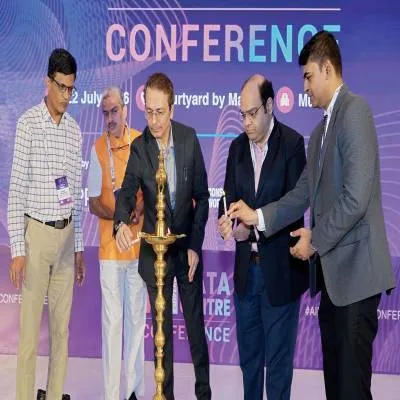
The minister was speaking on the sidelines of the Central Electricity Authority’s 53rd Foundation Day brainstorming event. He said the two-day conference would consider how the power sector and the ministry could become AI-enabled, with discussions covering generation, transmission, distribution, renewable energy integration and technical safety standards.

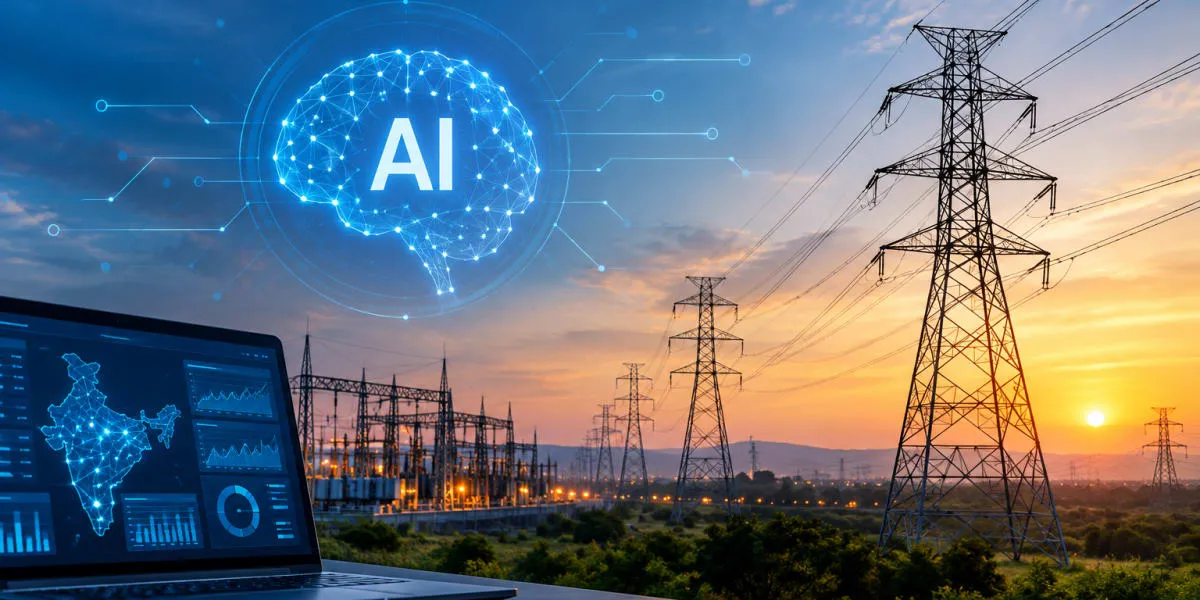
The proposed use of AI comes as India adds generation capacity, particularly from renewable sources. Applications under consideration include demand forecasting, monitoring grid operations and integrating solar and wind power into the electricity system. Naik said the government was examining ways to use the technology across the sector to strengthen operations and provide better services, while ensuring that its deployment supports the changing requirements of the electricity network.

India’s total installed power generation capacity has reached 558 gigawatts (GW), including 308 GW from non-fossil fuel sources, or about 55 per cent of the total, according to the minister. The country had committed to achieving a 50 per cent non-fossil fuel share in installed capacity by 2030, but reached that target five years ahead of schedule. He said further expansion through 2030 would require supporting infrastructure as the generation mix changes.

Naik said 77.5 mn smart meters had been installed across India, enabling utilities to understand consumption patterns more effectively and balance generation with demand. The transmission network had expanded to about 500,000 circuit km, strengthening power connectivity across the country. The conference is expected to deliberate on how AI can make this expanding network more efficient, reliable and secure, while improving electricity services for consumers.

India is examining wider use of artificial intelligence (AI) across its power sector to make the electricity grid more reliable, resilient, secure and responsive, Union Minister of State for Power and New and Renewable Energy Shripad Yesso Naik said at an event in New Delhi. He said AI would be important in managing the country’s extensive transmission network and improving services for consumers. The minister was speaking on the sidelines of the Central Electricity Authority’s 53rd Foundation Day brainstorming event. He said the two-day conference would consider how the power sector and the ministry could become AI-enabled, with discussions covering generation, transmission, distribution, renewable energy integration and technical safety standards. The proposed use of AI comes as India adds generation capacity, particularly from renewable sources. Applications under consideration include demand forecasting, monitoring grid operations and integrating solar and wind power into the electricity system. Naik said the government was examining ways to use the technology across the sector to strengthen operations and provide better services, while ensuring that its deployment supports the changing requirements of the electricity network. India’s total installed power generation capacity has reached 558 gigawatts (GW), including 308 GW from non-fossil fuel sources, or about 55 per cent of the total, according to the minister. The country had committed to achieving a 50 per cent non-fossil fuel share in installed capacity by 2030, but reached that target five years ahead of schedule. He said further expansion through 2030 would require supporting infrastructure as the generation mix changes. Naik said 77.5 mn smart meters had been installed across India, enabling utilities to understand consumption patterns more effectively and balance generation with demand. The transmission network had expanded to about 500,000 circuit km, strengthening power connectivity across the country. The conference is expected to deliberate on how AI can make this expanding network more efficient, reliable and secure, while improving electricity services for consumers.

Related Stories

Gold Stories
Next Story
Infrastructure Urban

Welspun One unveils Diwali campaign for World Trade Center Thane

Welspun One has unveiled A Dream Diwali, a festive brand film promoting World Trade Center Thane, its proposed mixed-use development in the Mumbai Metropolitan Region (MMR). The campaign uses individual interpretations of an ideal Diwali to introduce the experiences and offerings planned at the development.The film follows different characters as they share their festive wishes and go about activities such as shopping, meeting friends, playing games and spending time with family. Through these everyday moments, the campaign presents the idea that celebrations are personal and that different ge..
Next Story
Equipment

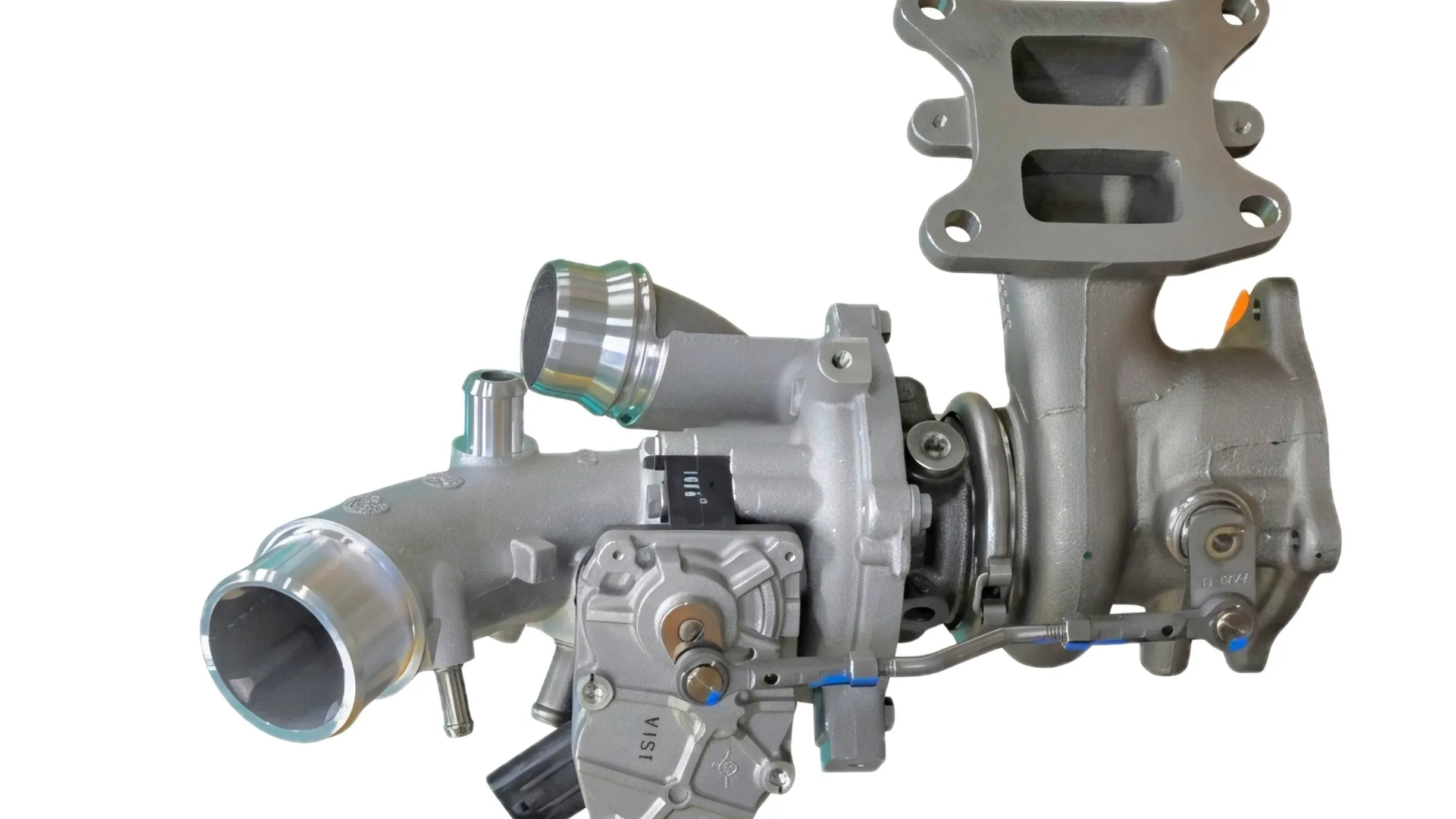
BorgWarner secures three turbocharger contracts with global powertrain leader

BorgWarner has secured three new turbocharger contracts with a global powertrain technology company. The wins comprise one contract for its variable turbine geometry (VTG) turbocharger and two for its wastegate turbocharger. The technologies will be deployed in the customer's light-vehicle gasoline platforms in South America and Europe, with production scheduled to begin in 2027.The VTG turbochargers are designed for gasoline engines operating under demanding conditions and high-boost pressure requirements. They are engineered to support Miller-cycle engines and withstand exhaust temperatures ..
Next Story
Infrastructure Transport

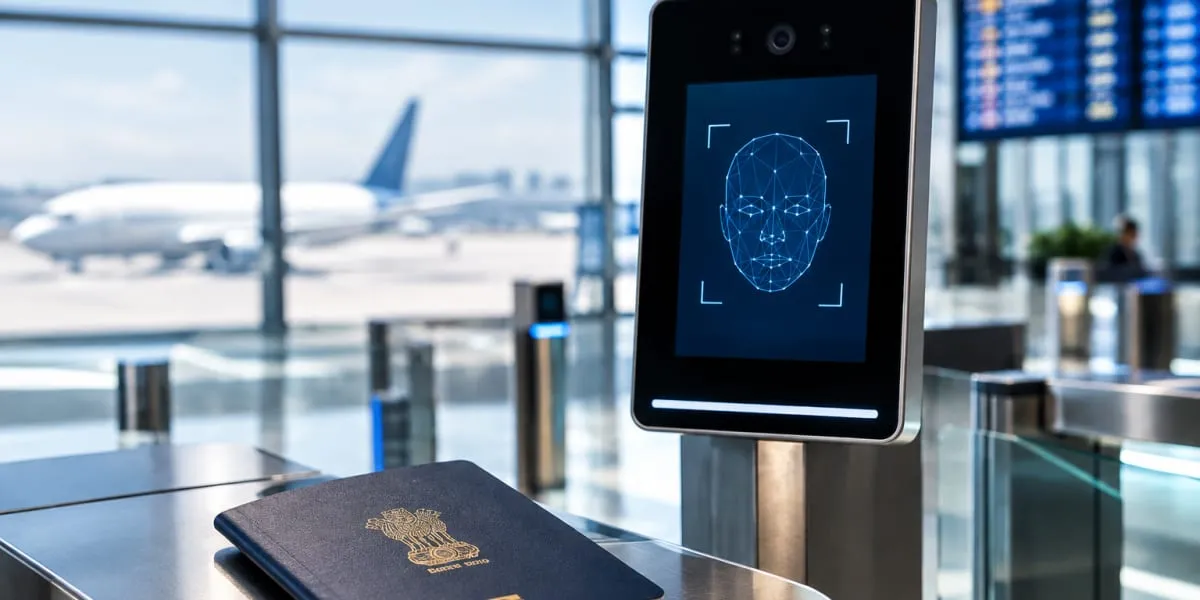
International Digi Yatra Trials Begin at Seven Airports

India has begun trials of Digi Yatra for international passengers at seven airports, allowing eligible Indian passport holders to use facial recognition at selected airport checkpoints. The facility is currently limited to Indian nationals with e-passports travelling on selected international flights operated by Air India and IndiGo. The Civil Aviation Ministry announced the trials on 1 November, with testing scheduled through December 2026. A wider rollout is expected in 2027 after the ministry assesses passenger feedback gathered during the trial period, according to PTI. The system is inten..

Advertisement

Subscribe to Our Newsletter

Get daily newsletters around different themes from Construction world.

STAY CONNECTED

Advertisement

SPECIAL OFFER
QR Code