
NHAI Uses AI to Detect Road Defects
ROADS & HIGHWAYS

NHAI Uses AI to Detect Road Defects

The National Highways Authority of India (NHAI) is using artificial intelligence (AI), real-time data and digital monitoring systems to identify road defects, improve maintenance and strengthen highway safety. The technology-driven approach was discussed at a technical session of the Indian Roads Congress (IRC) in Hyderabad.

NHAI chief general manager L.P. Padhy said Network Survey Vehicles were being deployed to assess pavement conditions using six parameters: roughness, rutting, cracks, ravelling, patching and potholes. Fitted with 360-degree and 3D imaging systems, the vehicles can detect cracks as narrow as 1 mm.

AI-enabled dashboard cameras installed in highway patrol vehicles can identify more than 30 categories of defects. These include potholes, faded road markings, damaged signboards, broken crash barriers and non-functional streetlights. Each defect is geotagged, photographed and assigned an identification number and a deadline for rectification.

Contractors are required to upload photographs after completing repairs, while engineers verify the work before closing complaints. Drones are also being used to identify encroachments, illegal median openings and other road-related issues. NHAI said the broader objective was to support predictive maintenance by identifying recurring defects and their root causes.

Arcadis director and head of India operations Venkata Chunduru proposed an integrated highway operating system linking the National Highways Data Lake, Digital Highway Management System, FASTag and the 1033 emergency helpline. He said a common real-time platform could improve incident response, maintenance planning and contractor accountability while connecting national highways with state, district and rural roads.

International infrastructure executive and strategic adviser Samrat Valani said road safety required coordinated action involving education, engineering, enforcement and emergency care. He cited helmet-awareness programmes in Vietnam, where helmet use outside 100 schools rose from 36 per cent to 69 per cent in a year. Valani also called for stronger protection for highway workers through traffic management, work permits and automated speed enforcement, noting that the risk of secondary crashes increased by 2.8 per cent for every minute an incident remained uncleared.

The National Highways Authority of India (NHAI) is using artificial intelligence (AI), real-time data and digital monitoring systems to identify road defects, improve maintenance and strengthen highway safety. The technology-driven approach was discussed at a technical session of the Indian Roads Congress (IRC) in Hyderabad. NHAI chief general manager L.P. Padhy said Network Survey Vehicles were being deployed to assess pavement conditions using six parameters: roughness, rutting, cracks, ravelling, patching and potholes. Fitted with 360-degree and 3D imaging systems, the vehicles can detect cracks as narrow as 1 mm. AI-enabled dashboard cameras installed in highway patrol vehicles can identify more than 30 categories of defects. These include potholes, faded road markings, damaged signboards, broken crash barriers and non-functional streetlights. Each defect is geotagged, photographed and assigned an identification number and a deadline for rectification. Contractors are required to upload photographs after completing repairs, while engineers verify the work before closing complaints. Drones are also being used to identify encroachments, illegal median openings and other road-related issues. NHAI said the broader objective was to support predictive maintenance by identifying recurring defects and their root causes. Arcadis director and head of India operations Venkata Chunduru proposed an integrated highway operating system linking the National Highways Data Lake, Digital Highway Management System, FASTag and the 1033 emergency helpline. He said a common real-time platform could improve incident response, maintenance planning and contractor accountability while connecting national highways with state, district and rural roads. International infrastructure executive and strategic adviser Samrat Valani said road safety required coordinated action involving education, engineering, enforcement and emergency care. He cited helmet-awareness programmes in Vietnam, where helmet use outside 100 schools rose from 36 per cent to 69 per cent in a year. Valani also called for stronger protection for highway workers through traffic management, work permits and automated speed enforcement, noting that the risk of secondary crashes increased by 2.8 per cent for every minute an incident remained uncleared.

Related Stories

Gold Stories
Next Story
Real Estate

Emaar India Launches Grade-A Office Tower in Gurugram

Emaar India, the Indian arm of Dubai-based Emaar Properties, recently launched Emaar Business Square, a Grade-A commercial tower in Sector 65, Gurugram. Pre-certified IGBC Platinum, the development offers flexible office spaces, sustainable building features and ground-floor retail facilities.The launch comes amid growing demand for premium office spaces in Gurugram. According to Cushman & Wakefield, Gurugram accounted for 63 per cent of Delhi NCR’s office leasing during the July–September quarter of 2026. The region recorded office leasing of 3.8 million sq ft during the quarter, taki..
Next Story
Infrastructure Urban

SFC Environmental Technologies Posts 80.5% Revenue Growth in H1 FY27

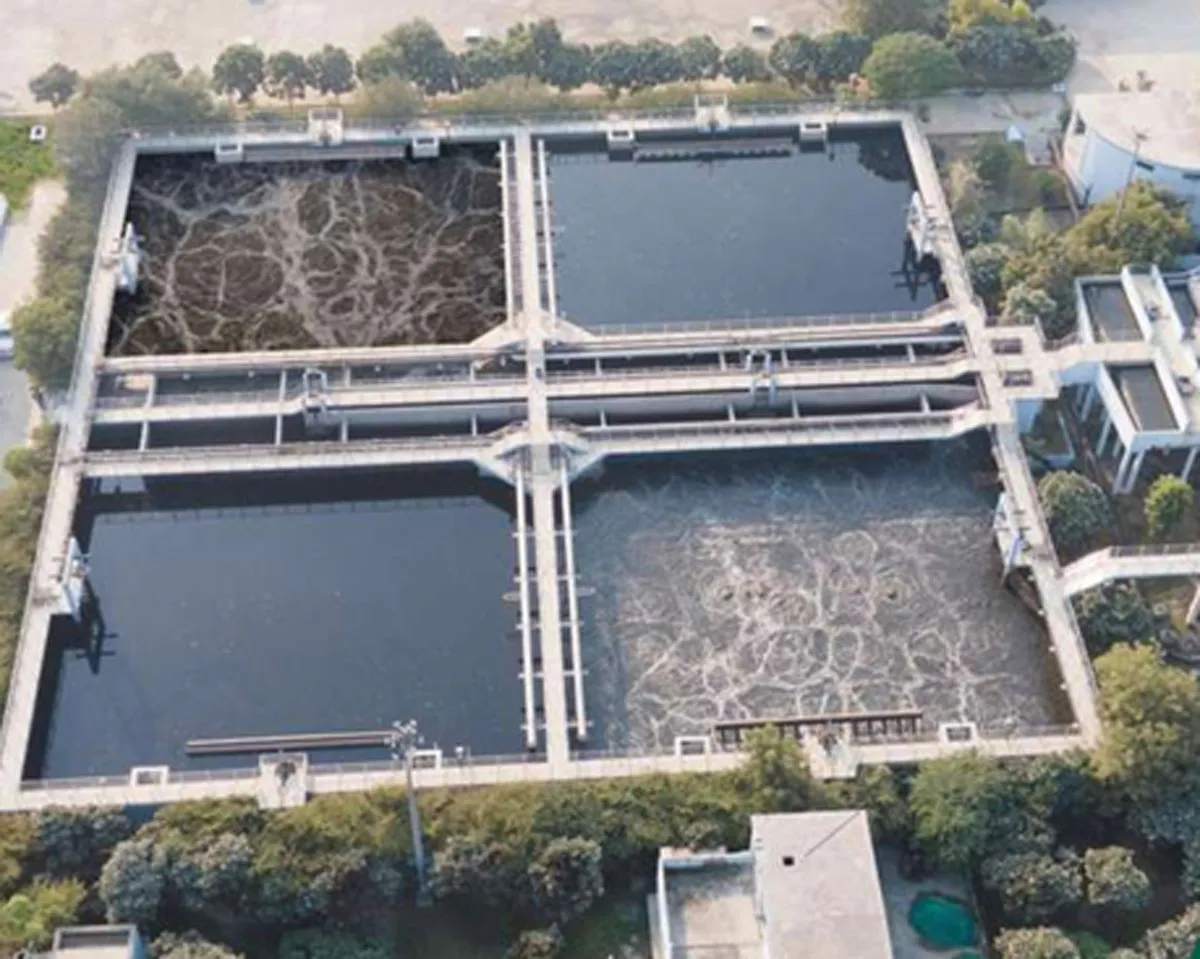
SFC Environmental Technologies recently announced its first financial results as a listed company, reporting an 80.5 per cent year-on-year (YoY) increase in consolidated revenue from operations to Rs 2.97 billion for the half year ended 30 September 2026 (H1 FY27).The company’s EBITDA increased by 86.9 per cent YoY to Rs 200.5 million, with an EBITDA margin of 6.8 per cent. Profit after tax (PAT) rose to Rs 35.8 million from Rs 0.4 million in H1 FY26. The company's order book stood at Rs 16.56 billion as of 30 September 2026, representing approximately 2.1 times its FY26 revenue.For Q2 FY27,..
Next Story
Infrastructure Urban

IGBC, University of Mumbai Partner to Advance Green Education

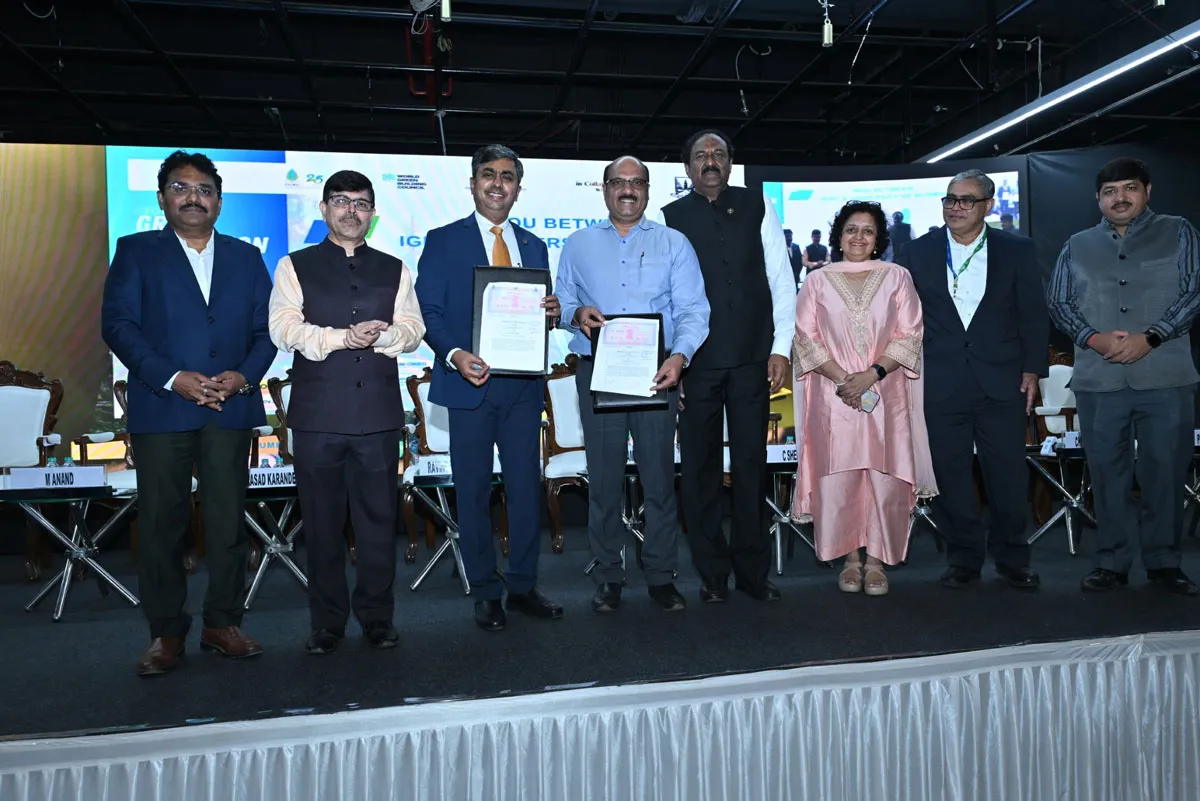
The Indian Green Building Council (IGBC), part of the Confederation of Indian Industry (CII), and the University of Mumbai recently signed a Memorandum of Understanding (MoU) to strengthen green education and develop skilled professionals for India’s sustainable built environment sector. The agreement was signed during the Green Education Conclave 2026 at the university’s Kalina campus.Under the partnership, both institutions will jointly develop a specialised course on ‘Green Built Environment’ for students pursuing civil, electrical, environmental and mechanical engineering, as well ..

Subscribe to Our Newsletter

Get daily newsletters around different themes from Construction world.

STAY CONNECTED

Advertisement

SPECIAL OFFER
QR Code