India’s Energy Import Bill Could Fall 40% with Faster Electrification
POWER & RENEWABLE ENERGY

India’s Energy Import Bill Could Fall 40% with Faster Electrification

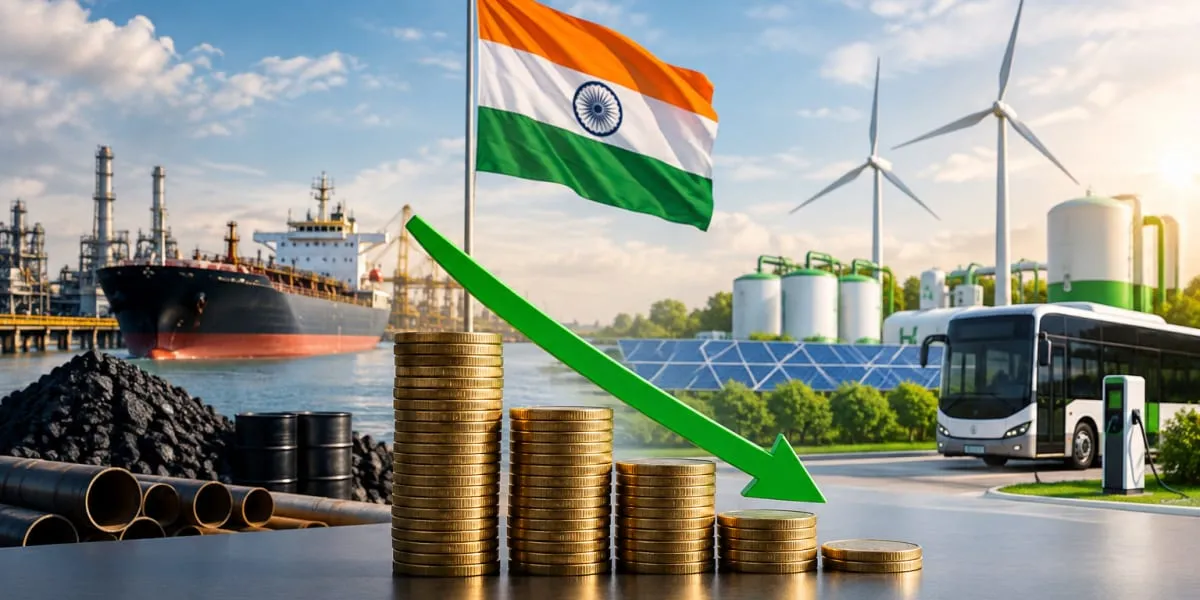
India could reduce its annual fossil fuel import bill by more than 40 per cent by FY2035 by accelerating the shift from direct fuel use to electricity, green hydrogen and bioenergy, according to a report by Climate Compatible Futures. The analysis said the strategy would also reduce exposure to global energy price shocks and support the country’s energy security objectives.

Under the accelerated electrification pathway, India’s import bill for crude oil, natural gas and coal would fall to Rs. 7.4 tn in FY2035, compared with Rs. 17 tn under the current trajectory. The annual saving would be Rs. 9.6 tn. By FY2045, direct fossil fuel imports would reach zero, compared with a business-as-usual bill of Rs. 23.3 tn a year.

The report said electricity’s share of total energy demand would rise from 29 per cent currently to 54 per cent by FY2035 and 76 per cent by FY2045 under the accelerated scenario. Direct electricity, green hydrogen and bioenergy would together displace about 87 per cent of the fossil fuels that India would otherwise import in FY2045.

India’s electrification is already advancing. Indian Railways has electrified 99.6 per cent of its broad-gauge network, while electric vehicles accounted for 13.11 per cent of vehicle sales in September 2026, an 84 per cent year-on-year increase. Non-fossil sources now represent more than half of installed power capacity.

On the current path, electricity’s share of energy demand would reach only about 32 per cent by FY2035 and 33 per cent by FY2045. Total energy demand would more than double, while imported fossil fuel volumes would rise by 75 per cent. The report noted that recent oil market disruption had highlighted the cost of dependence, with Brent crude exceeding US$100 a barrel, India’s crude import bill rising 48 per cent year on year during April–August, and the rupee falling nearly 8 per cent in 2026.

India could reduce its annual fossil fuel import bill by more than 40 per cent by FY2035 by accelerating the shift from direct fuel use to electricity, green hydrogen and bioenergy, according to a report by Climate Compatible Futures. The analysis said the strategy would also reduce exposure to global energy price shocks and support the country’s energy security objectives. Under the accelerated electrification pathway, India’s import bill for crude oil, natural gas and coal would fall to Rs. 7.4 tn in FY2035, compared with Rs. 17 tn under the current trajectory. The annual saving would be Rs. 9.6 tn. By FY2045, direct fossil fuel imports would reach zero, compared with a business-as-usual bill of Rs. 23.3 tn a year. The report said electricity’s share of total energy demand would rise from 29 per cent currently to 54 per cent by FY2035 and 76 per cent by FY2045 under the accelerated scenario. Direct electricity, green hydrogen and bioenergy would together displace about 87 per cent of the fossil fuels that India would otherwise import in FY2045. India’s electrification is already advancing. Indian Railways has electrified 99.6 per cent of its broad-gauge network, while electric vehicles accounted for 13.11 per cent of vehicle sales in September 2026, an 84 per cent year-on-year increase. Non-fossil sources now represent more than half of installed power capacity. On the current path, electricity’s share of energy demand would reach only about 32 per cent by FY2035 and 33 per cent by FY2045. Total energy demand would more than double, while imported fossil fuel volumes would rise by 75 per cent. The report noted that recent oil market disruption had highlighted the cost of dependence, with Brent crude exceeding US$100 a barrel, India’s crude import bill rising 48 per cent year on year during April–August, and the rupee falling nearly 8 per cent in 2026.

Related Stories

Gold Stories

Next Story
Infrastructure Urban

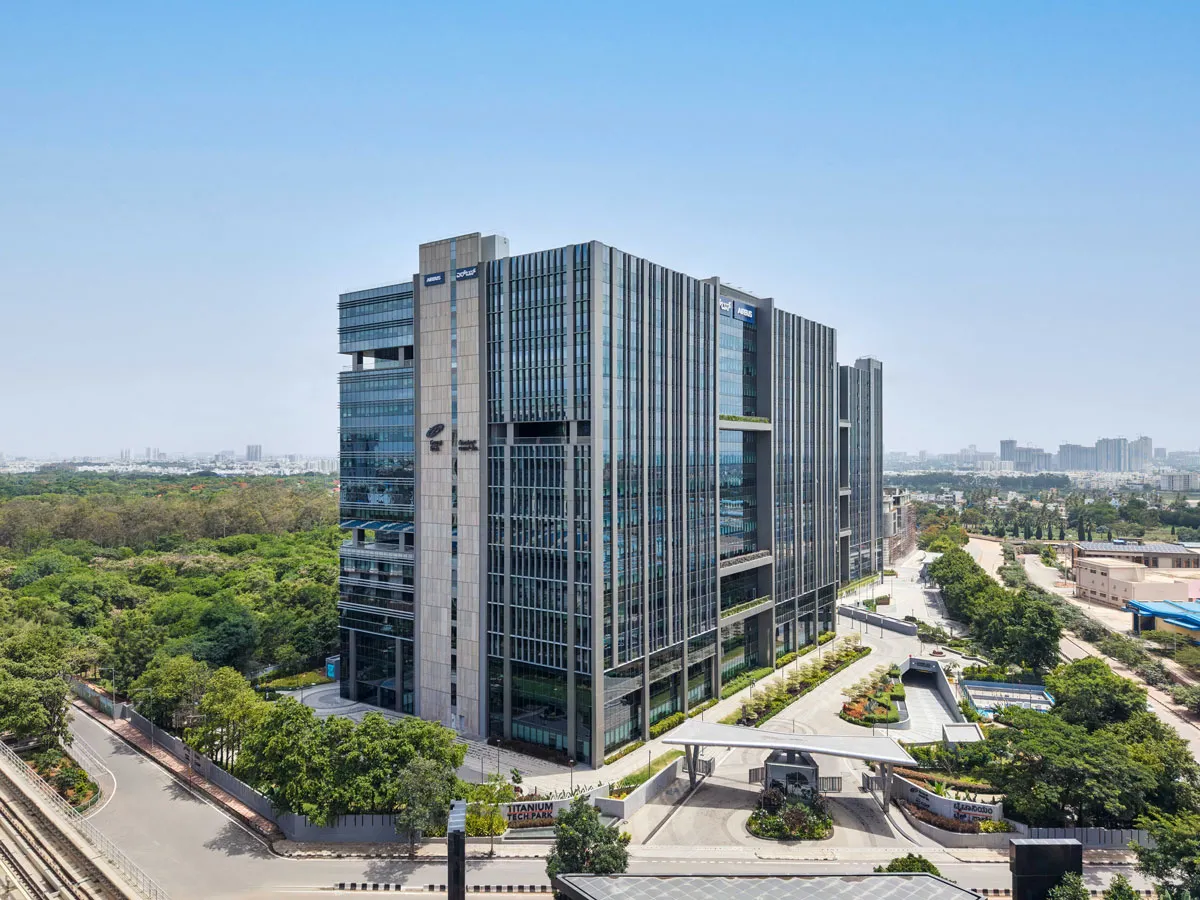
Goyal & Co. invests Rs 8.2 bn in Bengaluru's Titanium Tech Park

Goyal & Co. has invested approximately Rs 8.2 billion in Titanium Tech Park, a large-scale commercial development in Bengaluru's Whitefield Technology Corridor. Spread across 25 acres, the project has a total development potential of 5 million sq ft, with global companies Airbus and Caterpillar among its key occupiers.The development is planned in multiple phases, featuring Grade A office infrastructure, modern building systems and integrated employee amenities. Phase 1 comprises two operational G+15 office blocks offering 880,000 sq ft and 622,000 sq ft, respectively. Phase 2 will include..
Next Story
Infrastructure Urban

Tata Motors appoints GAMCO as commercial vehicle distributor in Syria

Tata Motors has signed a distribution agreement with Ghassan Aboud Automotive, appointing its subsidiary, Grand Auto & Machinery Co. (GAMCO), as the official distributor of Tata Motors commercial vehicles in Syria. The partnership aims to strengthen transportation, logistics and construction operations across the country while supporting its economic recovery and reconstruction.Under the agreement, GAMCO will introduce Tata Motors' commercial vehicle portfolio to the Syrian market, including cargo vehicles with capacities ranging from under one tonne to 60 tonnes and passenger transport so..
Next Story
Infrastructure Urban

EUROBOND sales rise 17.15% to Rs 1.52 bn in Q2 FY27

EUROBOND, the flagship brand of Euro Panel Products, reported a 17.15 per cent year-on-year increase in net sales to Rs 1.52 billion for the second quarter ended September 30, 2026. The company also registered a 27 per cent sequential growth in sales, supported by increasing order volumes and demand from the infrastructure and commercial construction sectors.Profit before tax stood at Rs 68.3 million during the quarter, reflecting the company's continued business expansion.The company recorded metal panel sales of 383,324 sq m in Q2 FY27, representing a 22.68 per cent increase compared to 312,..

Advertisement

Subscribe to Our Newsletter

Get daily newsletters around different themes from Construction world.

STAY CONNECTED

Advertisement

SPECIAL OFFER
QR Code