+
Tata Power Solaroof Reaches 519,673 Rooftop Installations
POWER & RENEWABLE ENERGY

Tata Power Solaroof Reaches 519,673 Rooftop Installations

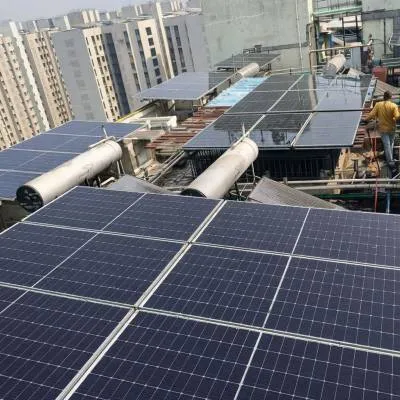
Tata Power Solaroof, the rooftop solar business of Tata Power Renewable Energy Limited (TPREL), has crossed 519,673 rooftop solar installations in India as of 31 July 2026, representing a 14 per cent market share. The company said it is targeting three million (mn) rooftop installations by 2029 and described the milestone as a marker of rising distributed renewable adoption across residential, commercial and industrial segments. The business operates a nationwide network that aims to support consultation, system design, installation, commissioning and after-sales service.

CRISIL has recognised the company as India’s number one rooftop solar player for 12 consecutive years, the statement added. Tata Power Solaroof works with more than 700 channel partners and 250 authorised service partners to deliver its Quality Lifelong proposition, under which solar modules carry 25- and 30-year performance warranties while systems have a minimum five-year warranty. The company also offers insurance and service support alongside product guarantees.

On financing, the firm reported it has facilitated more than Rs 85 billion (bn) through a network of over 25 financing partners, including banks and non-banking finance companies, enabling wider household and business uptake. For commercial and industrial customers the company provides tailored financing, including a Flexi EMI scheme designed to align repayments with projected solar generation. The Ghar Ghar Solar initiative, launched in 2024 and aligned with national subsidy objectives, has expanded across 11 states and one Union Territory to accelerate customer access.

Tata Power Solaroof is expanding its commercial and industrial offerings across sectors such as textiles, steel, cold storage, information technology, hospitality and data centres while integrating battery energy storage solutions under the Tata Power Battery Storage brand. Residential Mysine products range from five kWh to 40 kWh, while the PowerHub portfolio spans 60 kWh to five MWh with scalability for operational needs. The company presented integration of rooftop solar with battery storage as a route to store excess generation for use beyond daylight hours, thereby improving renewable utilisation and energy resilience.

Tata Power Solaroof, the rooftop solar business of Tata Power Renewable Energy Limited (TPREL), has crossed 519,673 rooftop solar installations in India as of 31 July 2026, representing a 14 per cent market share. The company said it is targeting three million (mn) rooftop installations by 2029 and described the milestone as a marker of rising distributed renewable adoption across residential, commercial and industrial segments. The business operates a nationwide network that aims to support consultation, system design, installation, commissioning and after-sales service. CRISIL has recognised the company as India’s number one rooftop solar player for 12 consecutive years, the statement added. Tata Power Solaroof works with more than 700 channel partners and 250 authorised service partners to deliver its Quality Lifelong proposition, under which solar modules carry 25- and 30-year performance warranties while systems have a minimum five-year warranty. The company also offers insurance and service support alongside product guarantees. On financing, the firm reported it has facilitated more than Rs 85 billion (bn) through a network of over 25 financing partners, including banks and non-banking finance companies, enabling wider household and business uptake. For commercial and industrial customers the company provides tailored financing, including a Flexi EMI scheme designed to align repayments with projected solar generation. The Ghar Ghar Solar initiative, launched in 2024 and aligned with national subsidy objectives, has expanded across 11 states and one Union Territory to accelerate customer access. Tata Power Solaroof is expanding its commercial and industrial offerings across sectors such as textiles, steel, cold storage, information technology, hospitality and data centres while integrating battery energy storage solutions under the Tata Power Battery Storage brand. Residential Mysine products range from five kWh to 40 kWh, while the PowerHub portfolio spans 60 kWh to five MWh with scalability for operational needs. The company presented integration of rooftop solar with battery storage as a route to store excess generation for use beyond daylight hours, thereby improving renewable utilisation and energy resilience.

Related Stories

Gold Stories

Next Story
Infrastructure Transport

Madhya Pradesh Plans Airport Every 150 Km, Airstrip Every 75 Km

The Madhya Pradesh government plans to establish an airport every 150 km, an airstrip every 75 km and a helipad every 45 km, according to the state aviation department. Airports being developed in Ujjain and Shivpuri are expected to take the state’s airport count to 10. The government stated that Madhya Pradesh currently has eight airports in eight cities. The locations named by the department include Indore, Bhopal, Jabalpur, Gwalior, Khajuraho, Rewa and Satna. The state also has more than 20 airstrips and 220 helipads, while permanent helipads are planned in all 230 Assembly constituencies..

Next Story
Infrastructure Transport

West Bengal Plans Four Airports for 2028 Completion Under UDAN

West Bengal will develop four new airports under an agreement signed between the Union Civil Aviation Ministry and the state government, with all facilities targeted for completion by 2028. Union Civil Aviation Minister K Rammohan Naidu said the airports would be located at Charra in Purulia, Kalaikunda in Paschim Medinipur, Balurghat in Dakshin Dinajpur and Hasimara in Alipurduar. The project is part of the Centre’s regional connectivity UDAN programme. The Union government has committed Rs. 290 bn for West Bengal’s aviation sector over the next decade, while the state government will pro..

Next Story
Infrastructure Transport

Mumbai Airport Bars Russian Airlines as Agent Seeks Ministry Intervention

Mumbai airport has stopped accepting cargo booked on Russian flag carrier Aeroflot, disrupting shipments and prompting the airline’s cargo sales agent, Delmos Aviation, to seek intervention from the Ministry of Civil Aviation. The restrictions also affect cargo booked on Volga-Dnepr Airlines, according to a letter submitted by Delmos Aviation to the ministry on September 30. Aeroflot operates daily flights between Moscow and Delhi and runs a winter seasonal service to Goa. Bonded cargo from Mumbai and other cities is transported by road to Delhi before being flown to Russia. The agent said t..

Advertisement

Subscribe to Our Newsletter

Get daily newsletters around different themes from Construction world.

STAY CONNECTED

Advertisement

SPECIAL OFFER
QR Code