Tiruchy Farmers Await Free Power As Only 342 Get Connections
POWER & RENEWABLE ENERGY

Tiruchy Farmers Await Free Power As Only 342 Get Connections

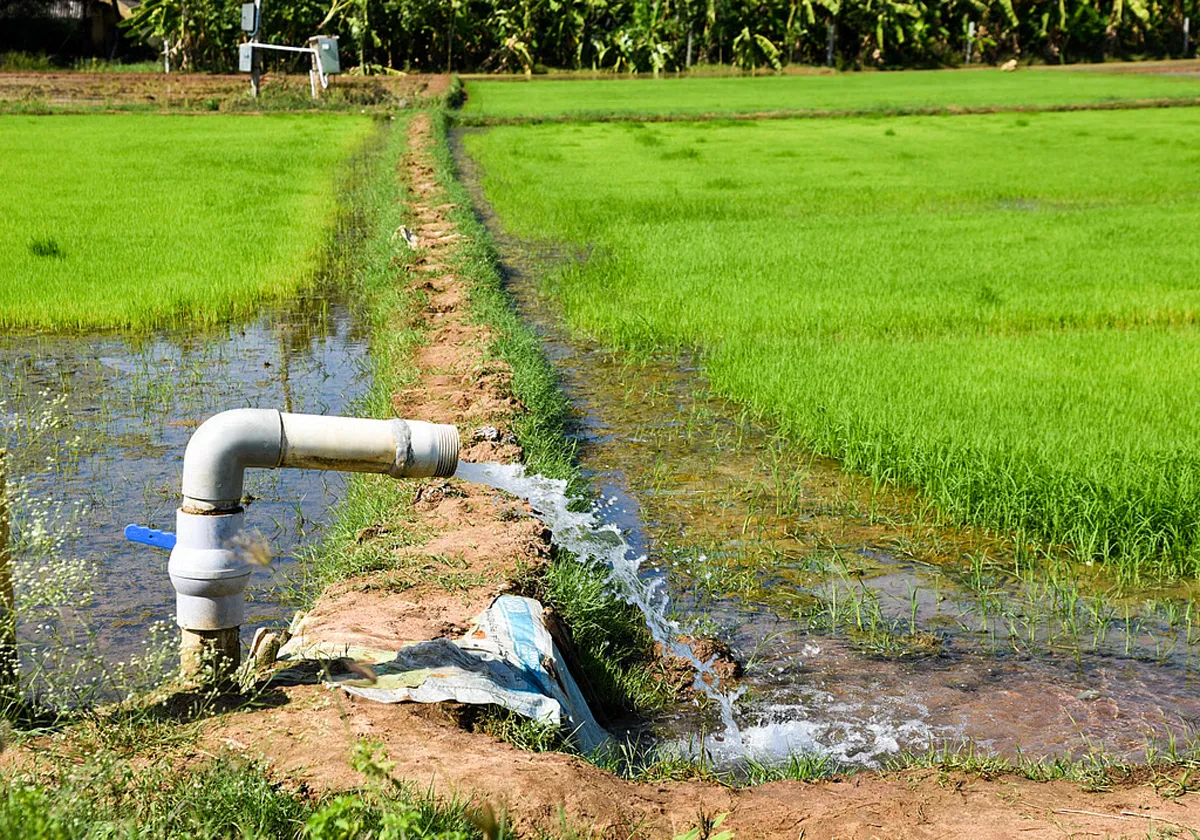
Over six months into the financial year, only 342 farmers in Tiruchy district have received free electricity connections out of a target of 925, while more than 8,000 applications remain pending, according to officials from the Tamil Nadu Generation and Distribution Corporation (Tangedco).

Officials said that although progress has been slow, it marks a slight improvement compared to last year’s performance.

“In 2024–25, we managed to provide around 400 connections against a target of about 2,000. This year, we’ve already crossed 340 by the seventh month and are working to accelerate the process in the remaining period,” a senior Tangedco official said.

The Tangedco Tiruchy division has also prepared readiness reports for 2,665 additional connections, which will be prioritised under three categories — Tatkal (one-time payment) connections, Tamil Nadu Adi Dravidar Housing and Development Corporation (TAHDCO) scheme connections, and fully free farmer connections.

Under the Tatkal scheme, farmers pay up to Rs 2 million (Rs 20 lakh) as a one-time charge to cover wiring and installation costs, after which electricity usage becomes free. Currently, officials said priority is being given to one-time payment applicants, but efforts are being made to speed up free connection disbursal in the coming months.

The majority of new connections in Tiruchy have been provided in the Lalgudi, Musiri, and Thuraiyur regions. However, the slow progress is not unique to Tiruchy. Across Tamil Nadu, the pace of providing free agricultural electricity connections remains sluggish.

According to an RTI response received in July 2025, Tangedco provided only 15,000 free power connections statewide in the 2024–25 fiscal year, far below the government’s initial target of 50,000.

Officials confirmed that the target was later reduced to 15,000 for the current financial year due to budgetary constraints.

Extending free power to farms involves high infrastructure costs, including the installation of electric poles, transformers, and metres. Many farmlands are situated far from main transmission lines, increasing material and labour expenses.

“While the government remains committed to providing free power to farmers, both financial limitations and logistical challenges have slowed down the implementation,” the official added.

Over six months into the financial year, only 342 farmers in Tiruchy district have received free electricity connections out of a target of 925, while more than 8,000 applications remain pending, according to officials from the Tamil Nadu Generation and Distribution Corporation (Tangedco). Officials said that although progress has been slow, it marks a slight improvement compared to last year’s performance. “In 2024–25, we managed to provide around 400 connections against a target of about 2,000. This year, we’ve already crossed 340 by the seventh month and are working to accelerate the process in the remaining period,” a senior Tangedco official said. The Tangedco Tiruchy division has also prepared readiness reports for 2,665 additional connections, which will be prioritised under three categories — Tatkal (one-time payment) connections, Tamil Nadu Adi Dravidar Housing and Development Corporation (TAHDCO) scheme connections, and fully free farmer connections. Under the Tatkal scheme, farmers pay up to Rs 2 million (Rs 20 lakh) as a one-time charge to cover wiring and installation costs, after which electricity usage becomes free. Currently, officials said priority is being given to one-time payment applicants, but efforts are being made to speed up free connection disbursal in the coming months. The majority of new connections in Tiruchy have been provided in the Lalgudi, Musiri, and Thuraiyur regions. However, the slow progress is not unique to Tiruchy. Across Tamil Nadu, the pace of providing free agricultural electricity connections remains sluggish. According to an RTI response received in July 2025, Tangedco provided only 15,000 free power connections statewide in the 2024–25 fiscal year, far below the government’s initial target of 50,000. Officials confirmed that the target was later reduced to 15,000 for the current financial year due to budgetary constraints. Extending free power to farms involves high infrastructure costs, including the installation of electric poles, transformers, and metres. Many farmlands are situated far from main transmission lines, increasing material and labour expenses. “While the government remains committed to providing free power to farmers, both financial limitations and logistical challenges have slowed down the implementation,” the official added.

Next Story
Infrastructure Urban

Centre Boosts FPO Growth With New Credit And Market Support

The Government is implementing the Central Sector Scheme on the formation and promotion of 10,000 Farmer Producer Organisations (FPOs), under which all 10,000 FPOs have now been registered. The scheme provides Rs 1.8 million per FPO for three years as management support, a matching equity grant of up to Rs 1.5 million, and a credit guarantee of up to Rs 0.02 billion through eligible lending institutions. It also offers assistance for training, market linkages and alignment with other schemes. FPOs receive support to obtain input licences for seed, fertiliser and pesticide supplies, as well as..

Next Story
Infrastructure Urban

PM-KISAN Drives Farm Income Gains And Rural Stability

The PM-KISAN scheme, a central sector initiative launched in February 2019, aims to support the financial needs of farmers holding cultivable land. Under the scheme, Rs 6,000 per year is transferred in three equal instalments to Aadhaar-seeded bank accounts through Direct Benefit Transfer. Eligibility is based primarily on cultivable landholding, with certain exclusions for individuals of higher economic status. A farmer-centric digital infrastructure ensures scheme benefits reach farmers across India without intermediaries. With full transparency in registration and verification, the Governm..

Next Story
Infrastructure Urban

Govt Extends Pro Tem Security Certificate To Two Years

In a further push to improve ease of doing business and ensure continuity for the telecom industry, the National Centre for Communication Security (NCCS) under the Department of Telecommunications has extended the validity of the Pro Tem Security Certification from six months to two years. The Pro Tem Certification, initially launched in October 2024 with a six-month validity, was designed to prevent business disruption for IP Router and Wi-Fi CPE products, which became subject to mandatory security certification from 1 October 2024. Under this certification, OEMs submit a declaration confirm..

Advertisement

Subscribe to Our Newsletter

Get daily newsletters around different themes from Construction world.

STAY CONNECTED

Advertisement

Advertisement

Advertisement

Advertisement

Open In App