UPERC Questions UPPCL 600 MW Wind Procurement
POWER & RENEWABLE ENERGY

UPERC Questions UPPCL 600 MW Wind Procurement

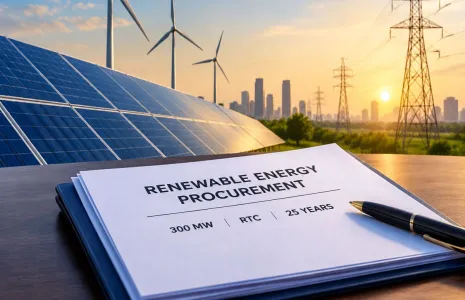
The Uttar Pradesh Electricity Regulatory Commission has sought clarifications from Uttar Pradesh Power Corporation over its proposal to procure 600 megawatt (MW) of wind power from the Solar Energy Corporation of India through a tariff-based competitive bidding process under the Inter-State Transmission System Tranche XIX scheme. The petition also seeks approval of a Power Sale Agreement dated March 30, 2026 executed between the two parties. The regulator placed the long-term procurement proposal under scrutiny pending responses.

During the hearing the commission noted that the matter is connected with proceedings before the Central Electricity Regulatory Commission on tariff adoption and that the CERC matter had been reserved for orders on June 29, 2026 though a final order had not been issued. The state regulator identified several deficiencies in the utility petition and said appropriate consideration would follow once UPPCL furnished required clarifications. It directed the utility to file an additional affidavit addressing observations.

Among the issues flagged was a discrepancy in the capacity utilisation factor mentioned for K.P. Energy Limited and Waaree Forever Energies Private Limited in the Power Sale Agreement. The commission also queried a mismatch between the contracted wind power capacity cited in the petition and the capacity earlier approved by the regulator. More significantly the regulator asked UPPCL to justify the proposed 600 MW procurement in the context of the Central Electricity Authority resource adequacy report for the utility.

UPPCL was asked to place the final CERC order on record once issued and to submit the requested clarifications within four weeks, with the next hearing listed for October six, 2026. The commission made clear that the order dated August 25, 2026 does not amount to approval of the procurement and that consideration will remain pending until discrepancies and resource adequacy justification are addressed. Parties were allowed to file submissions and replies within the prescribed period.

The Uttar Pradesh Electricity Regulatory Commission has sought clarifications from Uttar Pradesh Power Corporation over its proposal to procure 600 megawatt (MW) of wind power from the Solar Energy Corporation of India through a tariff-based competitive bidding process under the Inter-State Transmission System Tranche XIX scheme. The petition also seeks approval of a Power Sale Agreement dated March 30, 2026 executed between the two parties. The regulator placed the long-term procurement proposal under scrutiny pending responses. During the hearing the commission noted that the matter is connected with proceedings before the Central Electricity Regulatory Commission on tariff adoption and that the CERC matter had been reserved for orders on June 29, 2026 though a final order had not been issued. The state regulator identified several deficiencies in the utility petition and said appropriate consideration would follow once UPPCL furnished required clarifications. It directed the utility to file an additional affidavit addressing observations. Among the issues flagged was a discrepancy in the capacity utilisation factor mentioned for K.P. Energy Limited and Waaree Forever Energies Private Limited in the Power Sale Agreement. The commission also queried a mismatch between the contracted wind power capacity cited in the petition and the capacity earlier approved by the regulator. More significantly the regulator asked UPPCL to justify the proposed 600 MW procurement in the context of the Central Electricity Authority resource adequacy report for the utility. UPPCL was asked to place the final CERC order on record once issued and to submit the requested clarifications within four weeks, with the next hearing listed for October six, 2026. The commission made clear that the order dated August 25, 2026 does not amount to approval of the procurement and that consideration will remain pending until discrepancies and resource adequacy justification are addressed. Parties were allowed to file submissions and replies within the prescribed period.

Related Stories

Gold Stories

Next Story
Infrastructure Urban

Bajaj Auto to Raise Monthly Electric 2W Capacity to 80,000 by March

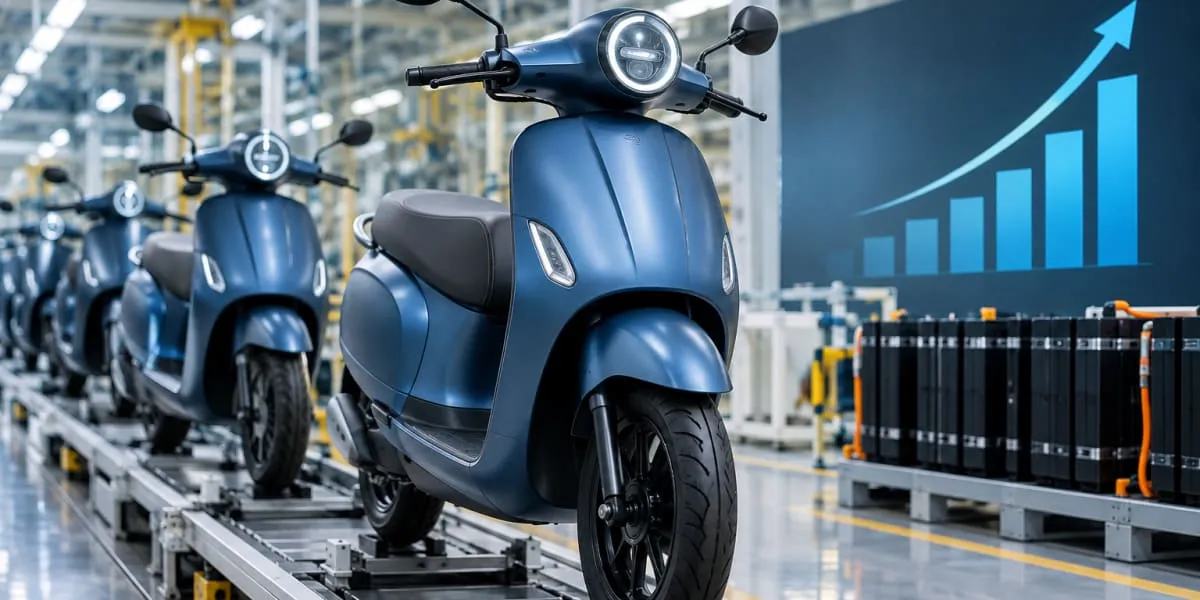
Bajaj Auto plans to raise monthly production capacity for electric two-wheelers to around 80,000 units by the end of March, as demand for its Chetak electric scooter continues to exceed available output. The company currently has capacity for around 60,000 electric two-wheelers a month. Joint Managing Director Rakesh Sharma said production had returned to the existing full capacity after a supply chain disruption affected output. The issue had reduced recent production to around 40,000 units, resulting in a shortfall of 20,000 vehicles despite strong demand. The company expects to remove produ..

Next Story
Infrastructure Transport

India’s Domestic Air Passenger Traffic Falls 6.5% in September

India’s domestic air passenger traffic declined 6.49 per cent month on month to 11.8 mn in September, according to data released by the Directorate General of Civil Aviation (DGCA). IndiGo retained its leading position, carrying nearly two-thirds of domestic passengers, while the Air India Group remained the second-largest operator. IndiGo held a 65.4 per cent market share and transported 7.73 mn passengers during the month. The Air India Group accounted for 26.8 per cent of the market, carrying 3.165 mn passengers, based on data from the aviation regulator. Akasa Air ranked third with a 5.6..

Next Story
Infrastructure Urban

DPIIT Advances Trust-Based Governance Across India

The Department for Promotion of Industry and Internal Trade (DPIIT), under the Ministry of Commerce and Industry, is shifting India’s regulatory approach from permission-based administration to trust-based governance. The reforms seek to reduce business compliance, support startups, attract investment and simplify approvals across the country. According to an official statement, 47,957 compliance requirements have been reduced across Central Ministries and States and Union Territories. Of these, 22,290 have been digitised, 16,141 simplified, 5,255 decriminalised and 4,271 eliminated. The Jan..

Advertisement

Subscribe to Our Newsletter

Get daily newsletters around different themes from Construction world.

STAY CONNECTED

Advertisement

SPECIAL OFFER
QR Code