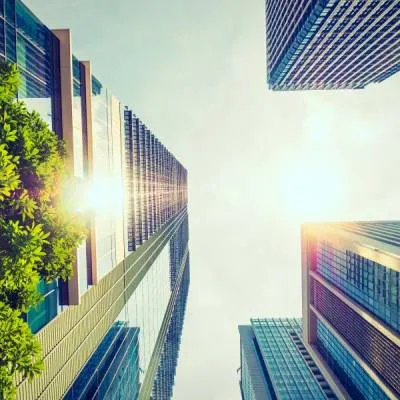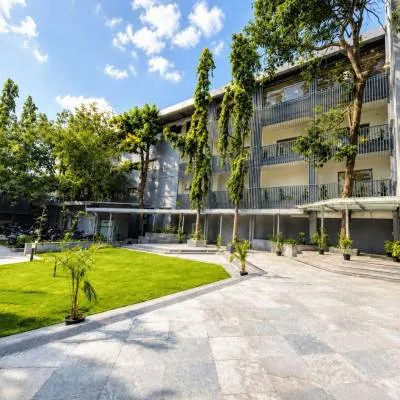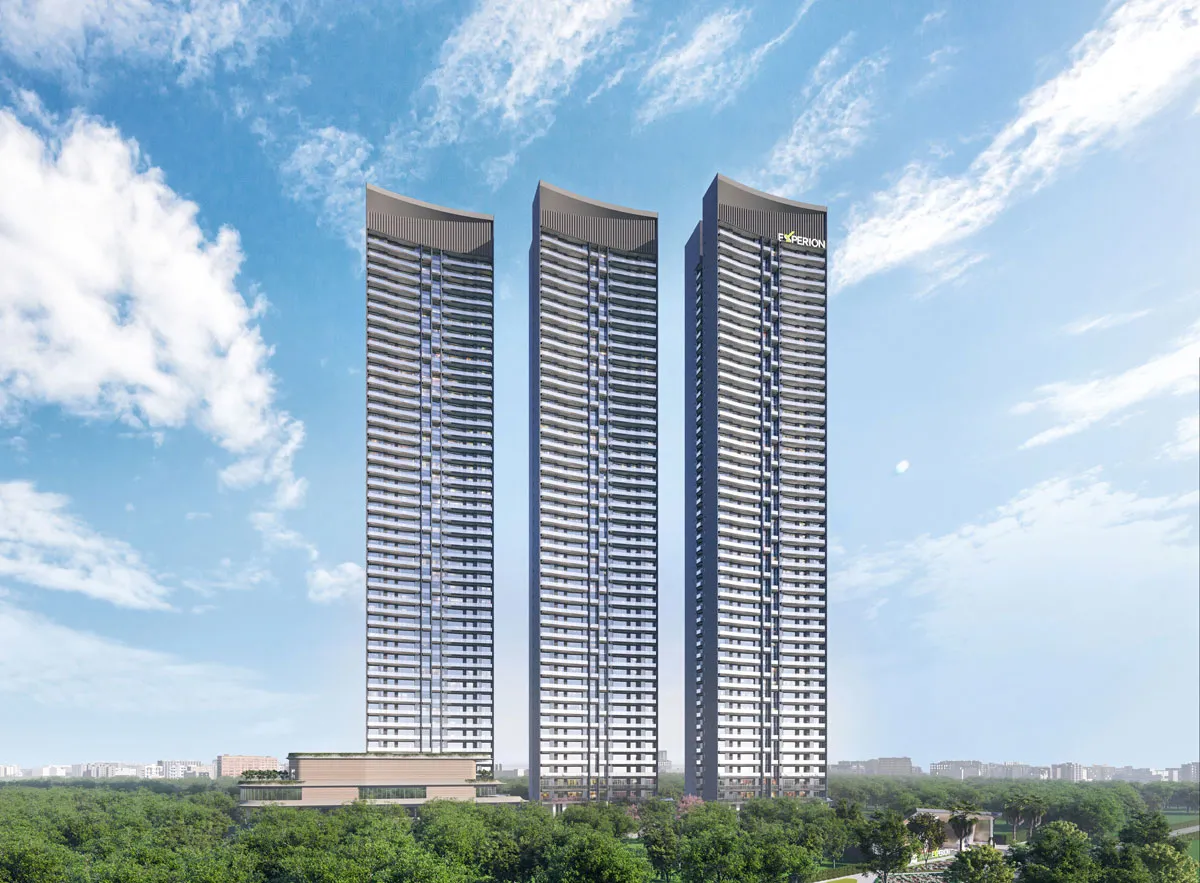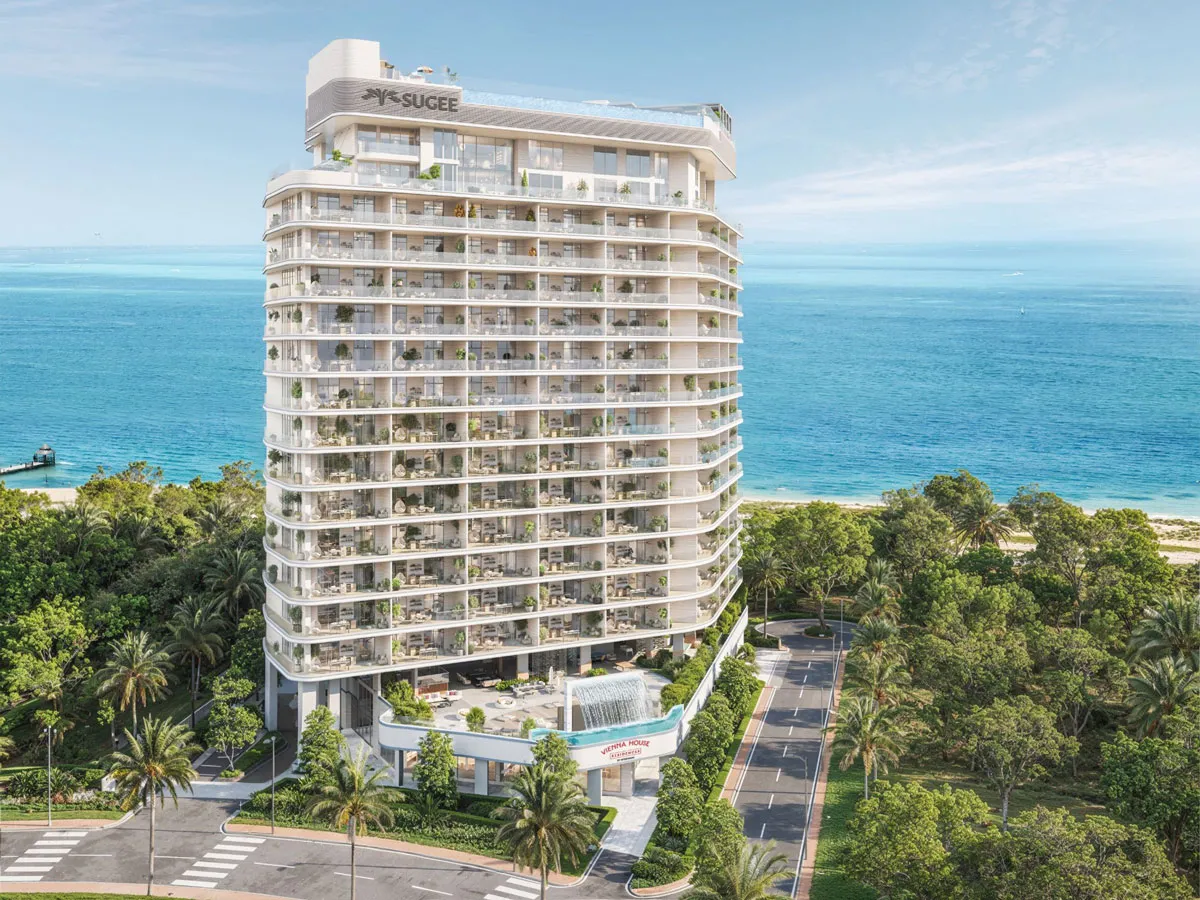
Walk through any major Indian business district today and you will see slick, glass-clad towers shimmering under the tropical sun. Most of these structures proudly display plaque certifications: Platinum, Gold, or 5-Star ratings. They promise lower carbon footprints, reduced electricity bills and a sustainable future.Yet, behind these polished green plaques, the electricity meter tells a different story. Many of these certified structures consume massive amounts of energy to remain operational. This gap, between what a certificate says and what a building actually does, is where this critique begins.To be fair, the green building movement in India has done something valuable. It has put sustainability on the table in boardrooms where it never used to be discussed. That is real progress. But as an industry, we owe ourselves an uncomfortable question: How did a movement meant to save the planet turn into a high-stakes branding exercise?The checklist trap Green ratings have played a valuable role in bringing sustainability into mainstream construction. They have created awareness, established benchmarks and encouraged better practices. But the flaw is that sustainability has been reduced to a point-based checklist.Glazing areas are increased for a striking elevation, then ‘compensated’ with high-performance glass and a larger chiller. Passive design moves that cost nothing extra – correct orientation, deep sun-shades, cross-ventilation, thermal mass – get skipped because they don't carry the same weight on a checklist as a mechanical system does. Efficiency becomes something you buy and install, not something you design for. Part of the problem lies in how we have built our rating systems. Install LED lights – tick. Use a high-efficiency chiller – tick. Provide a building management system – tick. Once the points are counted and the certificate issued, the job is considered done. This rewards compliance, not outcome. Energy-efficiency should be treated as an outcome, not merely a collection of interventions.No post-occupancy surveys A major gap in green building standards is the complete lack of mandatory post-occupancy evaluation (POE). Certifications are usually awarded at the design or completion stage based on computer simulations. In practice, actual energy use often strays significantly from predicted models. Occupants leave lights on, change air-conditioning set-points or alter space layouts in ways that disrupt airflow. Without continuous post-occupancy performance audits, we have no way to know whether a green building is performing as designed; we keep repeating the same mistakes because nobody closes the loop.The embodied energy blind spotOur definition of energy-efficiency focuses almost entirely on operational energy – the power used for lighting, cooling and equipment. In doing so, we ignore embodied energy: the total energy required to extract, process, manufacture and transport building materials.A double-glazed glass curtain wall may reduce operational AC loads by a small fraction but manufacturing that glass, aluminium framing and structural steel consumes massive amounts of energy upfront. This does not mean that operational efficiency is unimportant. It means that the equation has to become bigger. The question should not simply be: How much energy does this building consume? It should be: How much energy, carbon and material does this building consume across its entire life?That is a much harder question – and a much more useful one.Whole building lifecycle and circular designA truly efficient building must be judged across its whole lifecycle – construction, 60-odd years of operation, and eventual demolition or reuse. This is where energy-efficiency intersects with the circular economy. The two are deeply connected.Circularity is not simply about recycling waste after demolition. It begins much earlier – with design. Can the building be adapted when its use changes? Can a façade be repaired rather than replaced? Can mechanical systems be upgraded without extensive demolition? Can components be dismantled and reused? Can materials be recovered at the end of the building's life? These decisions have direct energy implications.Every building adapted rather than demolished, every component repaired rather than replaced, extends the value of the energy and resources already invested and can avoid a significant new investment in materials and embodied energy.The hidden water-energy nexusEnergy-efficiency conversations almost never mention water, yet the two are deeply linked. Data centres are the clearest example – a facility can report excellent power usage while its cooling towers draw enormous volumes of water. Pumping groundwater or trucking in water tankers adds an uncounted energy overhead. The same is true, at a smaller scale, of hospitals, hotels and large office campuses with heavy HVAC and landscaping loads.When energy ratings ignore this water dependency, they present a misleading picture of efficiency. If a building saves electricity on lighting but consumes millions of litres of fresh groundwater to run its central cooling plant, it shifts its environmental impact from the power grid to the water table. The future will require a more integrated approach to energy-water-materials rather than treating each as a separate sustainability box.The way forwardTo move forward and build truly energy-efficient structures, India's real-estate ecosystem should adopt six structural shifts:Mandate post-occupancy audits: Tie tax incentives, green credits or occupancy clearances to actual operational performance measured after two years of operation, rather than initial design models.Account for embodied carbon: Introduce mandatory embodied energy caps in building codes alongside operational energy standards. Bring lifecycle thinking into mainstream design: Evaluate operational energy, embodied energy, carbon, water and materials together.Prioritise passive design first: Mandate climate-responsive passive strategies before allowing mechanical HVAC solutions.Integrate the energy-water framework: Measure the combined water-energy footprint, especially for high-density commercial assets and data centres. Reward circularity and adaptive reuse: Offer floor-area ratio (FAR) bonuses to developers who retain existing structures or use certified recycled and demountable components.In conclusionGreen building tags have brought sustainability into mainstream industry discussions, which is a positive start. But now, we must raise our standards.True energy-efficiency is not found in an imported glass tower with a few solar panels and a plaque in the lobby. It lives in thoughtful design that respects local climate, minimises material extraction, operates efficiently over its full lifespan, and gives back to its surrounding ecosystem. The plaque in the lobby should mark the beginning of a building's accountability, not the end.