

Shree Cement to Cross 100 MTPA Capacity in 3-4 Years
Cement

Shree Cement to Cross 100 MTPA Capacity in 3-4 Years

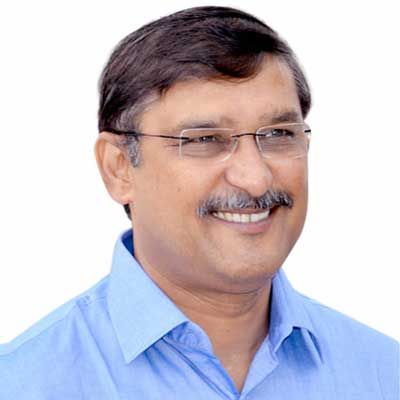
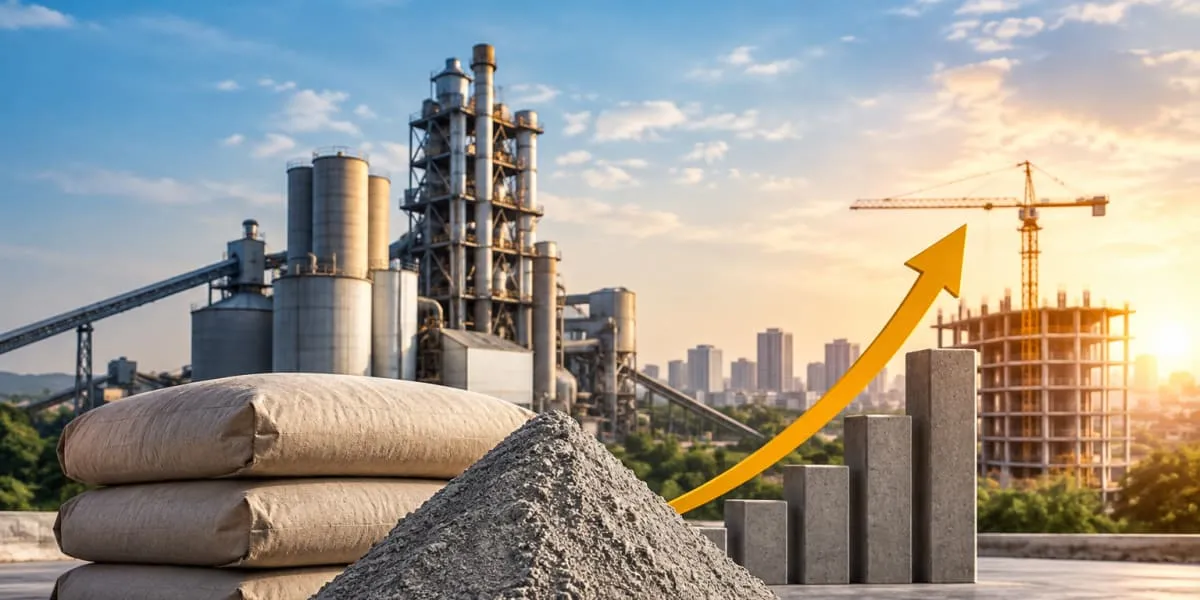
Shree Cement expects to cross 100 mn tonnes per annum (MTPA) of production capacity within the next three to four years, supported by expansion and demand from India’s infrastructure and housing sectors. Chairman Hari Mohan Bangur said the company is targeting a compound annual growth rate (CAGR) of 9-10 per cent over the next six to seven years, compared with estimated growth of 7-8 per cent for the Indian cement industry.

The company plans to reach 80 MTPA within the next two years. Earlier this month, it announced an investment of Rs. 70 bn to establish cement plants in Andhra Pradesh. Shree Cement currently has installed production capacity of about 75 MTPA, including manufacturing facilities in the UAE.

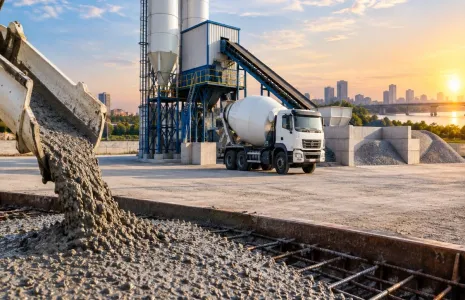
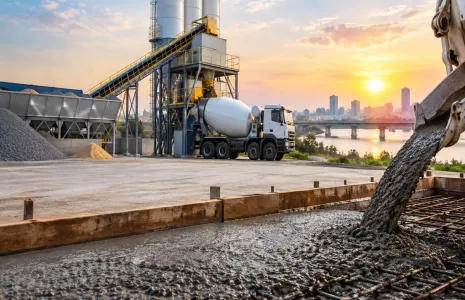
Shree Cement is also investing Rs. 35-40 bn in plants at Kutch in Gujarat and Meghalaya. Most of this expenditure is being funded through internal reserves, according to Bangur. The company is expanding its ready-mix concrete (RMC) operations as an adjacent business and currently operates about 40 RMC plants.

The number of RMC plants is expected to rise to 60-80 over the next 15-18 months. Monthly RMC production capacity, currently 100,000 cubic metres, is planned to increase to 200,000 cubic metres during the same period. The company does not currently plan to diversify into other building-material categories such as wires, cables and paints, and is instead focusing on cement and RMC.

Bangur said cement producers could sustain margins of around 15-20 per cent on sales, while premium products offered stronger realisations and profitability opportunities. Individual homebuilders were more willing to pay for quality, whereas large developers generally remained focused on value for money. About 60 per cent of Shree Cement’s energy requirement is met through renewable sources and waste heat recovery, including solar and wind power.

India’s annual cement consumption has grown from about 40 mn tonnes to approximately 450-500 mn tonnes, reflecting broader development. Bangur said continuing infrastructure and housing activity, supported by economic growth of 6-8 per cent, would sustain long-term demand.

Shree Cement expects to cross 100 mn tonnes per annum (MTPA) of production capacity within the next three to four years, supported by expansion and demand from India’s infrastructure and housing sectors. Chairman Hari Mohan Bangur said the company is targeting a compound annual growth rate (CAGR) of 9-10 per cent over the next six to seven years, compared with estimated growth of 7-8 per cent for the Indian cement industry. The company plans to reach 80 MTPA within the next two years. Earlier this month, it announced an investment of Rs. 70 bn to establish cement plants in Andhra Pradesh. Shree Cement currently has installed production capacity of about 75 MTPA, including manufacturing facilities in the UAE. Shree Cement is also investing Rs. 35-40 bn in plants at Kutch in Gujarat and Meghalaya. Most of this expenditure is being funded through internal reserves, according to Bangur. The company is expanding its ready-mix concrete (RMC) operations as an adjacent business and currently operates about 40 RMC plants. The number of RMC plants is expected to rise to 60-80 over the next 15-18 months. Monthly RMC production capacity, currently 100,000 cubic metres, is planned to increase to 200,000 cubic metres during the same period. The company does not currently plan to diversify into other building-material categories such as wires, cables and paints, and is instead focusing on cement and RMC. Bangur said cement producers could sustain margins of around 15-20 per cent on sales, while premium products offered stronger realisations and profitability opportunities. Individual homebuilders were more willing to pay for quality, whereas large developers generally remained focused on value for money. About 60 per cent of Shree Cement’s energy requirement is met through renewable sources and waste heat recovery, including solar and wind power. India’s annual cement consumption has grown from about 40 mn tonnes to approximately 450-500 mn tonnes, reflecting broader development. Bangur said continuing infrastructure and housing activity, supported by economic growth of 6-8 per cent, would sustain long-term demand.

Related Stories

Gold Stories

Next Story
Building Material

Tata Steel to Sell Tubes Business, Colors Stake to APL Apollo

Tata Steel has approved the sale of its tubes and pipes manufacturing business and its entire stake in Tata Steel Colors to APL Apollo for a combined consideration of up to Rs. 280 bn. The proposed transactions are intended to unlock value from Tata Steel’s downstream portfolio and sharpen its business focus. Under the first transaction, APL Apollo will acquire Tata Steel’s tubes and pipes business through a slump sale for Rs. 117 bn. The operations cover manufacturing, processing, marketing and distribution at facilities in Jamshedpur, Hosur, Khopoli and Sahibabad. The business also inclu..

Next Story
Real Estate

Signatureglobal Plans Rs. 100 bn Project Launches in H2 FY27

Signatureglobal expects to launch projects worth more than Rs. 100 bn in the second half of financial year 2026-27 (FY27), as it works towards its annual launch guidance of Rs. 150 bn and pre-sales target of Rs. 100 bn. The Gurugram-based developer has completed launches worth about Rs. 43-44 bn during the first six months of the financial year. The company expects projects along Southern Peripheral Road (SPR) and the Dwarka Expressway to support sales during the second half. It achieved about 38 per cent of its annual pre-sales target in the first half and is targeting the remaining 62 per ce..

Advertisement

Subscribe to Our Newsletter

Get daily newsletters around different themes from Construction world.

STAY CONNECTED

Advertisement

SPECIAL OFFER
QR Code