Tunnelling Towards Tomorrow
ROADS & HIGHWAYS

Tunnelling Towards Tomorrow

The Mumbai–Ahmedabad Bullet Train project is advancing rapidly through some of western India’s most demanding terrain and urban corridors. Recent achievements—from mountain tunnel breakthroughs and TBM deployment to complex steel bridge launches—demonstrate the scale,...

"Join industry leaders at RAHSTA Expo, India's premier platform for roads, highways and traffic infrastructure. Register now to explore innovations, network with experts and shape the future of mobility."

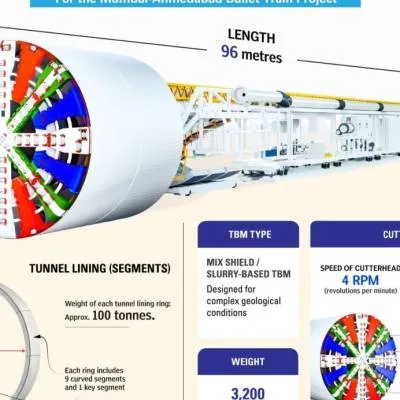
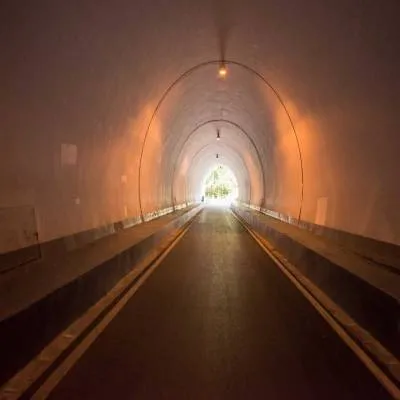
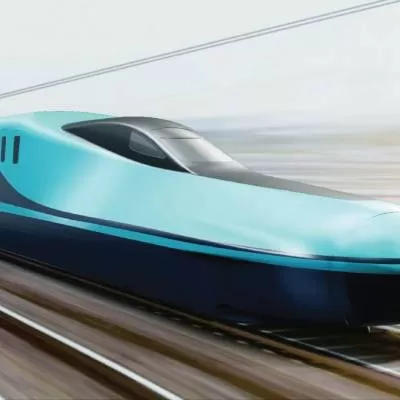
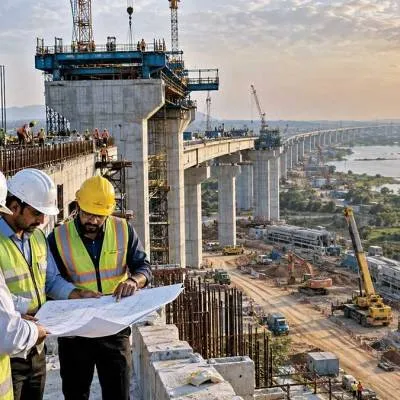
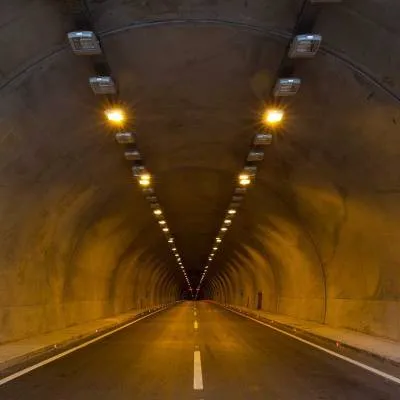
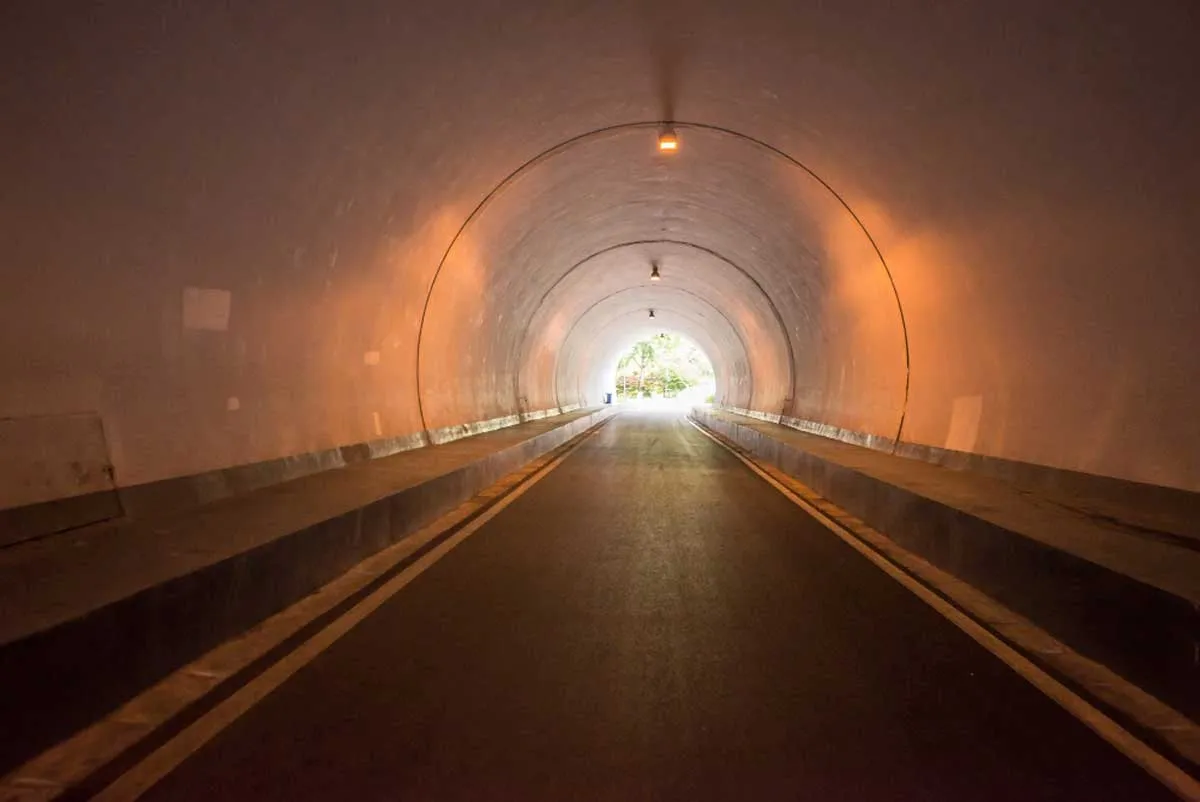
The Mumbai–Ahmedabad Bullet Train project is advancing rapidly through some of western India’s most demanding terrain and urban corridors. Recent achievements—from mountain tunnel breakthroughs and TBM deployment to complex steel bridge launches—demonstrate the scale, precision and engineering expertise driving India's first high-speed rail network towards reality.Mountain MilestoneThe breakthrough of the 417-metre-long MT-07 tunnel at Ambesari in Palghar marks the third mountain tunnel completed within five months. Excavated from both ends using controlled drilling and blasting, the tunnel forms part of one of the most challenging sections of the high-speed rail corridor.Engineering Beneath the Hills Real-time monitoring systems, including strain gauges, seismographs and 3D targets, tracked tunnel behaviour throughout excavation. Advanced geotechnical instrumentation ensured structural stability while helping construction teams navigate complex geological conditions safely.Safety at the CoreWorker welfare remained central to tunnel construction. Dedicated ventilation systems, fire safety provisions, controlled access zones and continuous geotechnical surveillance created a secure environment during excavation activities inside the mountain tunnel. Crossing Ahmedabad’s Urban Arteries A 45-metre-long viaduct span was successfully launched over the busy Kalupur flyover in Ahmedabad. Executed using the Span-by-Span method, the operation required the precise placement of 19 segments weighing a combined 1,200 metric tonne. Building While the City Sleeps The viaduct launch was completed during carefully coordinated night blocks between midnight and 6 am. Traffic diversions, extensive barricading and round-the-clock marshals enabled construction teams to minimise disruption for thousands of daily commuters.Preparing Mumbai’s Tunnel Giants At Sawli near Mumbai, the 350-tonne cutterhead of the second Tunnel Boring Machine was lowered into position. With a diameter of 13.6 metre, the machine will excavate a single tunnel carrying both up and down bullet train tracks. Precision Machinery Underground Equipped with 84 cutter discs, 124 scrapers and 16 bucket lips, the slurry-based TBM represents one of the most sophisticated tunnelling systems deployed in India. The machine will drive a critical section of the 21-km underground corridor. Launching a Steel Giant A 130-metre steel span weighing approximately 2,900 metric tonne was launched near Tralsi in Gujarat. The structure forms part of a 330-metre-long bridge crossing Dedicated Freight Corridor tracks, showcasing the project's heavy-engineering capabilities.Strength Designed for a Century Built using more than 121,000 high-strength bolts and protected with advanced C5 coating systems, the steel bridge is engineered for a service life of 100 years. Automated launching systems ensured millimetre-level precision during installation. Bullet Train Project Gets Tunnel Hoods The Mumbai-Ahmedabad Bullet Train project has introduced tunnel hood technology for the first time in Indian railway tunnels. Installed at the portals of mountain tunnels, these structures will help minimise tunnel boom and noise, ensuring smoother, safer and more efficient operations of high-speed trains. Fact File Project : Mumbai–Ahmedabad Bullet Train (MAHSR) Length : 508 km Implementing Agency: National High Speed Rail Corporation (NHSRCL) States Covered: Maharashtra, Gujarat, Dadra & Nagar Haveli Estimated Cost: Rs 1.08 trillion Funding Partner: Japan International Cooperation Agency (JICA) Design Speed: 320 kmph Travel Time: 2 hr 7 min (limited-stop service) Stations: 12 Alignment: 90 per cent elevated Land Acquisition: 100 per cent completed Mountain Tunnels: 8 planned (7 in Maharashtra, 1 in Gujarat); longest tunnel - 21 km, including a 7 km undersea section Bridges: Steel bridges - 28 planned and river bridges - 25 planned Construction Technology: Full Span Launching Method (FSLM), NATM, TBM Track System: Japanese Shinkansen J-Slab ballastless track Power System: 2x25 kV overhead traction system Rolling Stock Depots: Sabarmati, Surat and Thane Source: NHSRCL project information and media brief

Next Story
Infrastructure Urban

Designing Human-Centric High-Rises

The Institution of Engineers (India) (IEI), Navi Mumbai Local Centre, under the aegis of the Architectural Engineering Division Board, organised a one-day national seminar, ‘Reaching New Heights – Overcoming High-Rise Construction Challenges’, at CBD Belapur, Navi Mumbai.The seminar brought together architects, engineers, planners, developers, academicians and industry professionals to deliberate on the design, construction, operation and sustainability of tall buildings in rapidly urbanising cities...To read the full article Click Here ..

Next Story
Infrastructure Urban

Carbon-negative and ultra-low carbon are not just claims!

In an interaction with Construction World, Tarun Jami, Founder, GreenJams, explains how the company is cutting cement’s carbon footprint by 80 per cent through Binder, while scaling innovations such as Agrocrete® and Novastone to make buildings lighter, faster and carbon-negative.Agrocrete® is positioned as a carbon-negative material. What does this mean for developers?For developers, Agrocrete® offers a practical way to reduce embodied carbon at the material level. Since walling forms a significant part of a building’s material footprint, using carbon-negative blocks can bring the net ..

Next Story
Technology

Crushing Goes Green

If the past few years have seen sustainability emerge as a buzzword in the design of commercial spaces, the next few years will see the focus shift to ‘experience’. Workplaces that prioritise superior employee experiences consistently report stronger talent attraction and higher retention rates and productivity, while using resources sustainably.First things first; what sort of experiences are expected from a workplace?As Vandana Dhawan Saxena, Founder and Design Principal, Studio IV Designs, explains, “Offices have grown into environments that need to support various kinds of experience..

Advertisement

Subscribe to Our Newsletter

Get daily newsletters around different themes from Construction world.

STAY CONNECTED

Advertisement

Advertisement

Advertisement