JSW Energy Completes Orders for 3,200 MW Salboni Project
Equipment

JSW Energy Completes Orders for 3,200 MW Salboni Project

JSW Energy has completed equipment procurement for its 3,200 MW Salboni Thermal Project in West Bengal after its subsidiary ordered two 800 MW steam turbine generators for the plant’s second phase. The contract takes turbine-generator procurement for the entire project to completion.

JSW Thermal Energy, a wholly owned subsidiary of JSW Energy, signed the latest contract with Toshiba JSW Power Systems, an associate company of the power producer. Salboni is planned as a 3,200 MW facility comprising four units of 800 MW each. Orders for the two Phase 1 units had been placed earlier and disclosed to the exchanges on January 15, 2026.

The latest agreement covers the remaining two units. JSW Energy did not disclose the contract value or delivery schedule. It said the equipment would be manufactured and supplied in line with the project’s construction schedule, adding that procurement from an associate company would provide greater supply certainty and improve coordination during execution.

The company said equipment shortages across the industry had increased supply-related risks. It indicated that securing the turbine generators in advance was intended to reduce those risks and support timely execution of both phases. JSW Energy Joint Managing Director and Chief Executive Officer Sharad Mahendra described Salboni as the company’s largest single-location thermal asset and said the project would provide baseload power alongside India’s renewable expansion.

JSW Energy has 5,958 MW of installed thermal capacity, with another 5,000 MW under construction. Of the capacity under construction, 3,200 MW is at Salboni and 1,800 MW is at JSW Mahanadi Power Company. Across thermal, hydro and renewable assets, the company has 15.0 GW in operation and 13.4 GW under construction, with a further 4.0 GW pipeline. Its locked-in generation capacity is 32.4 GW, while locked-in energy storage stands at 29.6 GWh, comprising 26.4 GWh of pumped hydro and 3.2 GWh of battery storage. The company is targeting 30 GW of generation capacity and 40 GWh of storage by 2030.

JSW Energy has completed equipment procurement for its 3,200 MW Salboni Thermal Project in West Bengal after its subsidiary ordered two 800 MW steam turbine generators for the plant’s second phase. The contract takes turbine-generator procurement for the entire project to completion. JSW Thermal Energy, a wholly owned subsidiary of JSW Energy, signed the latest contract with Toshiba JSW Power Systems, an associate company of the power producer. Salboni is planned as a 3,200 MW facility comprising four units of 800 MW each. Orders for the two Phase 1 units had been placed earlier and disclosed to the exchanges on January 15, 2026. The latest agreement covers the remaining two units. JSW Energy did not disclose the contract value or delivery schedule. It said the equipment would be manufactured and supplied in line with the project’s construction schedule, adding that procurement from an associate company would provide greater supply certainty and improve coordination during execution. The company said equipment shortages across the industry had increased supply-related risks. It indicated that securing the turbine generators in advance was intended to reduce those risks and support timely execution of both phases. JSW Energy Joint Managing Director and Chief Executive Officer Sharad Mahendra described Salboni as the company’s largest single-location thermal asset and said the project would provide baseload power alongside India’s renewable expansion. JSW Energy has 5,958 MW of installed thermal capacity, with another 5,000 MW under construction. Of the capacity under construction, 3,200 MW is at Salboni and 1,800 MW is at JSW Mahanadi Power Company. Across thermal, hydro and renewable assets, the company has 15.0 GW in operation and 13.4 GW under construction, with a further 4.0 GW pipeline. Its locked-in generation capacity is 32.4 GW, while locked-in energy storage stands at 29.6 GWh, comprising 26.4 GWh of pumped hydro and 3.2 GWh of battery storage. The company is targeting 30 GW of generation capacity and 40 GWh of storage by 2030.

Related Stories

Gold Stories
Next Story
Infrastructure Urban

Welspun One unveils Diwali campaign for World Trade Center Thane

Welspun One has unveiled A Dream Diwali, a festive brand film promoting World Trade Center Thane, its proposed mixed-use development in the Mumbai Metropolitan Region (MMR). The campaign uses individual interpretations of an ideal Diwali to introduce the experiences and offerings planned at the development.The film follows different characters as they share their festive wishes and go about activities such as shopping, meeting friends, playing games and spending time with family. Through these everyday moments, the campaign presents the idea that celebrations are personal and that different ge..
Next Story
Equipment

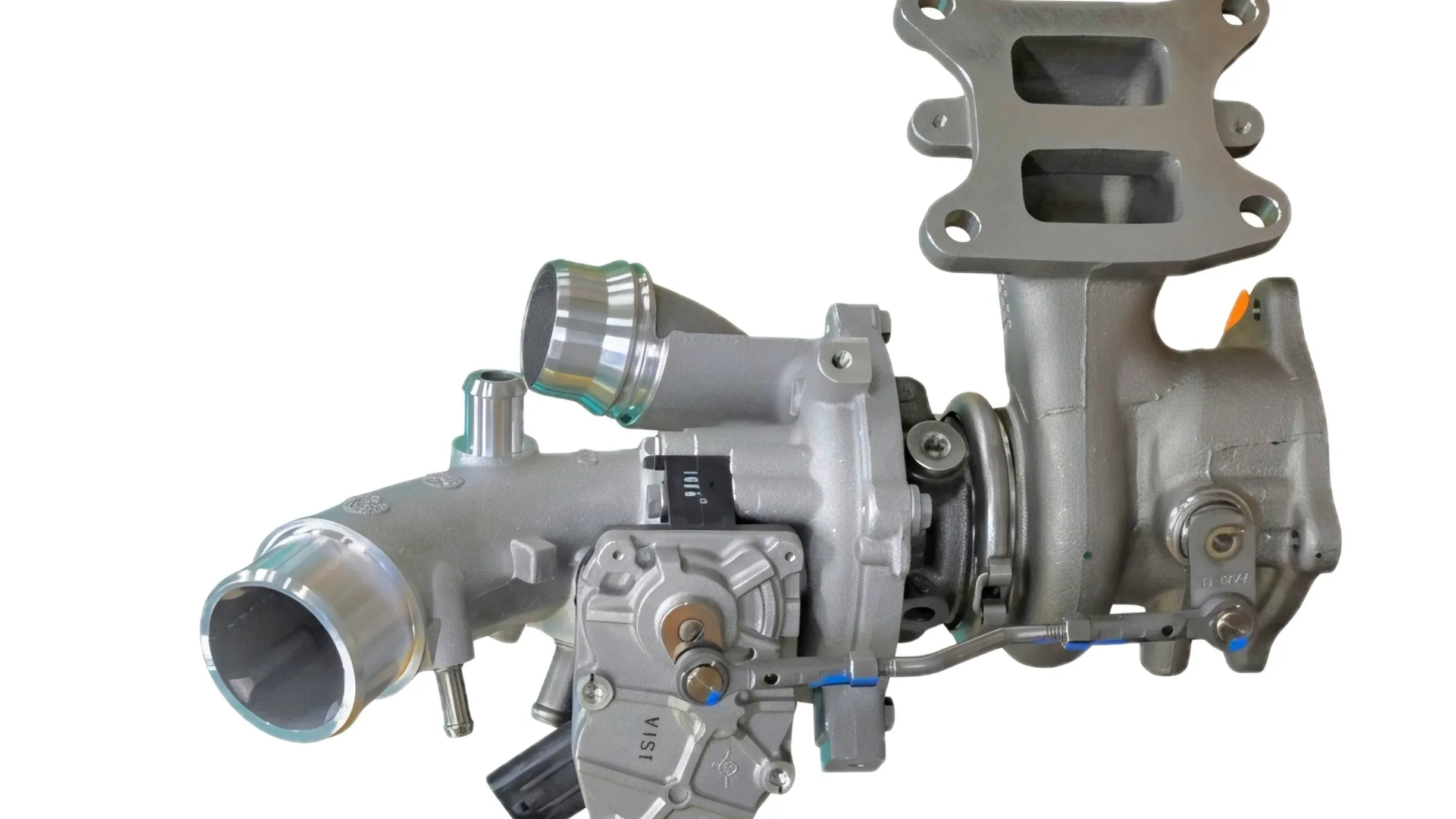
BorgWarner secures three turbocharger contracts with global powertrain leader

BorgWarner has secured three new turbocharger contracts with a global powertrain technology company. The wins comprise one contract for its variable turbine geometry (VTG) turbocharger and two for its wastegate turbocharger. The technologies will be deployed in the customer's light-vehicle gasoline platforms in South America and Europe, with production scheduled to begin in 2027.The VTG turbochargers are designed for gasoline engines operating under demanding conditions and high-boost pressure requirements. They are engineered to support Miller-cycle engines and withstand exhaust temperatures ..

Next Story
Infrastructure Transport

International Digi Yatra Trials Begin at Seven Airports

India has begun trials of Digi Yatra for international passengers at seven airports, allowing eligible Indian passport holders to use facial recognition at selected airport checkpoints. The facility is currently limited to Indian nationals with e-passports travelling on selected international flights operated by Air India and IndiGo. The Civil Aviation Ministry announced the trials on 1 November, with testing scheduled through December 2026. A wider rollout is expected in 2027 after the ministry assesses passenger feedback gathered during the trial period, according to PTI. The system is inten..

Advertisement

Subscribe to Our Newsletter

Get daily newsletters around different themes from Construction world.

STAY CONNECTED

Advertisement

SPECIAL OFFER
QR Code