City circle rate set for revision, implementation from Feb 1 in Haryana
Real Estate

City circle rate set for revision, implementation from Feb 1 in Haryana

The revision of circle rates in the city is anticipated to be completed by the end of this month, with the new rates scheduled to take effect from February 1. Although the initial plan was to implement the new rates starting January 1, no official announcement has been made yet. Consequently, current property registrations will adhere to the existing rates.

The Haryana government proposed a substantial increase, ranging from 30% to 80%, in circle rates for properties across different categories in the city. A draft outlining these changes was released to the public in early December, inviting suggestions and objections from residents.

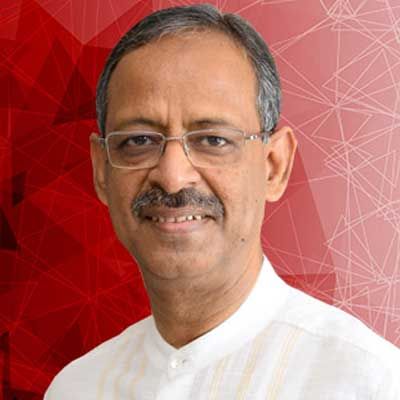
Nishant Yadav, the Deputy Commissioner, noted that the rates for most properties were finalised, except for flats in group housing societies, which are still under examination. He emphasised that the new circle rates would be determined by the registry amount for a specific area, reflecting the property registration values in 2023. In areas where properties were registered significantly above the existing circle rates, the new rates aim to narrow the gap between circle rates and market prices.

As per the draft prepared last month, certain areas, such as Golf Course Road, MG Road, and along the Dwarka Expressway, are expected to see a 70% increase in circle rates. Meanwhile, in emerging logistics hubs like Farrukhnagar, agricultural land rates could rise by 87%, and commercial plot rates may increase by around 35%. Similarly, proposed hikes of 40-80% in circle rates are suggested for agricultural and commercial plots in and around Badshapur, while in Wazirabad tehsil area, residential and commercial land rates could see a 60-70% increase.

The circle rate, a government-set minimum for property registration and stamp duty determination, varies based on locality and civic amenities. On average, the Haryana government collects approximately Rs 1.25 billion in stamp duty monthly from the city. Circle rates in the city are adjusted biannually to align with the dynamic property market, and in the previous year, the district administration opted not to revise them in light of the pandemic.

The revision of circle rates in the city is anticipated to be completed by the end of this month, with the new rates scheduled to take effect from February 1. Although the initial plan was to implement the new rates starting January 1, no official announcement has been made yet. Consequently, current property registrations will adhere to the existing rates. The Haryana government proposed a substantial increase, ranging from 30% to 80%, in circle rates for properties across different categories in the city. A draft outlining these changes was released to the public in early December, inviting suggestions and objections from residents. Nishant Yadav, the Deputy Commissioner, noted that the rates for most properties were finalised, except for flats in group housing societies, which are still under examination. He emphasised that the new circle rates would be determined by the registry amount for a specific area, reflecting the property registration values in 2023. In areas where properties were registered significantly above the existing circle rates, the new rates aim to narrow the gap between circle rates and market prices. As per the draft prepared last month, certain areas, such as Golf Course Road, MG Road, and along the Dwarka Expressway, are expected to see a 70% increase in circle rates. Meanwhile, in emerging logistics hubs like Farrukhnagar, agricultural land rates could rise by 87%, and commercial plot rates may increase by around 35%. Similarly, proposed hikes of 40-80% in circle rates are suggested for agricultural and commercial plots in and around Badshapur, while in Wazirabad tehsil area, residential and commercial land rates could see a 60-70% increase. The circle rate, a government-set minimum for property registration and stamp duty determination, varies based on locality and civic amenities. On average, the Haryana government collects approximately Rs 1.25 billion in stamp duty monthly from the city. Circle rates in the city are adjusted biannually to align with the dynamic property market, and in the previous year, the district administration opted not to revise them in light of the pandemic.

Next Story
Real Estate

Pecan Realty Completes Rs 1.5 Billion Transactions

Pecan Realty has recently completed four institutional transactions worth over Rs 1.5 billion over the past two years, strengthening its position as an execution-led real estate platform. The deals include resolution-led acquisitions, structured finance transactions and capital partnerships across its development portfolio.The transactions covered acquisitions through the National Company Law Tribunal process and helped provide repayment or exits to both private and public sector lenders. The company said the deals demonstrate its ability to resolve complex project situations, work with instit..

Next Story
Real Estate

SNN Estates Expands North Bengaluru Housing Project

SNN Estates has announced an expansion of its SNN Estates Felicity residential project in North Bengaluru following strong buyer demand, with 75 per cent of the first-phase inventory sold within three days of launch.The developer will add 76 apartments in the new phase, taking the project's estimated revenue potential to around Rs 1,000 crore upon completion of Phase 2.Spread across 6.5 acres in Rachenahalli, near Manyata Tech Park, the project comprises 604 apartments in 1.5, 2, 2.5, 3 and 4 BHK configurations. The development includes a 50,000-sq-ft clubhouse with amenities such as sports co..

Next Story
Infrastructure Urban

SCG Drives ASEAN Industrial Transformation Strategy

SCG is strengthening its focus on ASEAN as a key growth region by advancing industrial transformation, enhancing competitiveness and building resilient regional value chains. Thammasak Sethaudom, President and Chief Executive Officer, SCG, highlighted the need for industries to continuously develop capabilities, strengthen resilience and deepen regional cooperation to achieve sustainable long-term growth.SCG views ASEAN as an important growth engine alongside China, supported by favourable demographics, trade connectivity and investment flows. With ASEAN’s GDP projected to grow by around 4.7..

Advertisement

Subscribe to Our Newsletter

Get daily newsletters around different themes from Construction world.

STAY CONNECTED

Advertisement

Advertisement

Advertisement