+
Credai, NAREDCO seek lower repo rate to boost housing demand
Real Estate

Credai, NAREDCO seek lower repo rate to boost housing demand

Realtors' apex bodies CREDAI and NAREDCO have requested a reduction in the repo rate in the next monetary policy meeting to lower home loan interest rates and enhance demand for residential properties. The Reserve Bank of India (RBI) decided to maintain the current repo rate. Boman Irani, National President, CREDAI, highlighted the country's significant economic growth, driven by contributions from all sectors, including real estate. He pointed to the low CPI at 4.83% in April and other positive macroeconomic indicators as reasons for the RBI to consider a repo rate cut, which could further boost economic development and consumer spending.

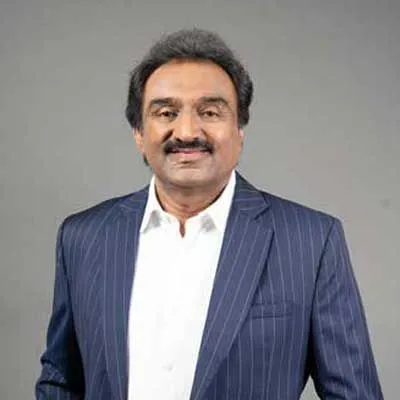
G Hari Babu, National President, NAREDCO praised the RBI's decision to maintain the repo rate but emphasised the urgent need for intervention in the affordable housing sector. He suggested that a repo rate reduction in the next MPC meeting would positively impact this segment. Babu noted the real estate sector's strong performance and expressed the industry's and homebuyers' anticipation of further government and RBI support.

Sanjay Dutt, MD & CEO, TATA Realty & Infrastructure, supported the decision to keep the repo rate unchanged given the global economic context. He expects lower interest rates later this year, which could significantly increase housing demand by making home loans more affordable.

Samir Jasuja, CEO & MD, PropEquity, indicated that a policy rate cut might be imminent, given that overall inflation is within the RBI's target range. He stressed that a rate cut would enhance customers' purchasing power, which is crucial given the substantial increase in real estate prices.

Shrinivas Rao, CEO, Vestian, predicted that this might be the last time the RBI maintains the status quo, anticipating a repo rate reduction in the upcoming MPC meeting due to higher kharif production and expected easing of food prices.

Dhruv Agarwala, Group CEO, Housing.com & PropTiger.com, stated that the RBI's cautious approach reflects an acknowledgment of persistent food inflation and strong growth. He noted that while the current decision ensures short-term stability in interest rates for homebuyers, a future repo rate cut is vital for sustained sectoral growth amid rising property prices.

Shishir Baijal, Chairman & Managing Director, Knight Frank India, suggested that an above-normal monsoon could help control food prices, potentially leading the RBI to lower interest rates by the end of 2024, which would particularly benefit the affordable housing segment.

Gauri Tandle, CFO, Ashwin Sheth Group, remarked that the RBI's decision supports both individual homebuyers' aspirations and the broader goals of economic growth and stability. (Source: Business Standard )

Realtors' apex bodies CREDAI and NAREDCO have requested a reduction in the repo rate in the next monetary policy meeting to lower home loan interest rates and enhance demand for residential properties. The Reserve Bank of India (RBI) decided to maintain the current repo rate. Boman Irani, National President, CREDAI, highlighted the country's significant economic growth, driven by contributions from all sectors, including real estate. He pointed to the low CPI at 4.83% in April and other positive macroeconomic indicators as reasons for the RBI to consider a repo rate cut, which could further boost economic development and consumer spending. G Hari Babu, National President, NAREDCO praised the RBI's decision to maintain the repo rate but emphasised the urgent need for intervention in the affordable housing sector. He suggested that a repo rate reduction in the next MPC meeting would positively impact this segment. Babu noted the real estate sector's strong performance and expressed the industry's and homebuyers' anticipation of further government and RBI support. Sanjay Dutt, MD & CEO, TATA Realty & Infrastructure, supported the decision to keep the repo rate unchanged given the global economic context. He expects lower interest rates later this year, which could significantly increase housing demand by making home loans more affordable. Samir Jasuja, CEO & MD, PropEquity, indicated that a policy rate cut might be imminent, given that overall inflation is within the RBI's target range. He stressed that a rate cut would enhance customers' purchasing power, which is crucial given the substantial increase in real estate prices. Shrinivas Rao, CEO, Vestian, predicted that this might be the last time the RBI maintains the status quo, anticipating a repo rate reduction in the upcoming MPC meeting due to higher kharif production and expected easing of food prices. Dhruv Agarwala, Group CEO, Housing.com & PropTiger.com, stated that the RBI's cautious approach reflects an acknowledgment of persistent food inflation and strong growth. He noted that while the current decision ensures short-term stability in interest rates for homebuyers, a future repo rate cut is vital for sustained sectoral growth amid rising property prices. Shishir Baijal, Chairman & Managing Director, Knight Frank India, suggested that an above-normal monsoon could help control food prices, potentially leading the RBI to lower interest rates by the end of 2024, which would particularly benefit the affordable housing segment. Gauri Tandle, CFO, Ashwin Sheth Group, remarked that the RBI's decision supports both individual homebuyers' aspirations and the broader goals of economic growth and stability. (Source: Business Standard )

Next Story
Infrastructure Urban

Implementation Status of Jal Jeevan Mission

Since August 2019 the Government has implemented Jal Jeevan Mission to provide assured potable water through household tap connections in rural India. At the start of the mission only 32.3 million (mn) rural households, representing 16.7 per cent, were reported to have tap water connections. States and union territories have reported that 125.8 mn additional rural households have since been provided with tap connections. As a result, of about 193.6 mn rural households roughly 158.2 mn, or 81.71 per cent, are reported to have tap water supply at home.\n\nThe State, district and village level st..

Next Story
Infrastructure Urban

Jal Jeevan Mission Reaches Eighty One Per Cent Rural Coverage

The Government reported substantial progress under the Jal Jeevan Mission, launched in August 2019 to provide tap water to every rural household. At launch only 32.3 million (mn) rural households had tap connections and states and Union territories reported provision of 125.8 mn additional households by March 2026. Consequently, out of about 193.6 mn rural households around 158.2 mn, or 81.71 per cent, are reported to have tap water at home. The Finance Minister announced extension of the mission until 2028 in the 2025-26 budget speech. The Swachh Bharat Mission Grameen, launched in October 20..

Next Story
Infrastructure Urban

Empowering Local Governance for Sustainable Rural Water Supply

The Ministry of Jal Shakti has aligned the Jal Jeevan Mission (JJM) with the 73rd Amendment to strengthen village level planning and community ownership of water supply. Gram Panchayats, village water and sanitation committees and Pani Samitis are to plan, implement, manage and maintain piped water systems, with gram sabha processes formalising handover and oversight. Implementation support agencies including non government organisations, community based organisations and self help groups have been empanelled to train local committees and promote women participation. Under JJM, the department ..

Advertisement

Subscribe to Our Newsletter

Get daily newsletters around different themes from Construction world.

STAY CONNECTED

Advertisement

Advertisement

Advertisement