


Culture Corridor
Real Estate

Culture Corridor

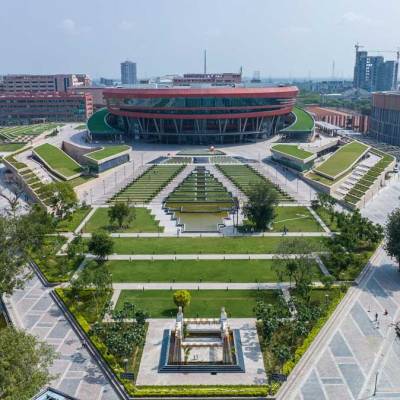
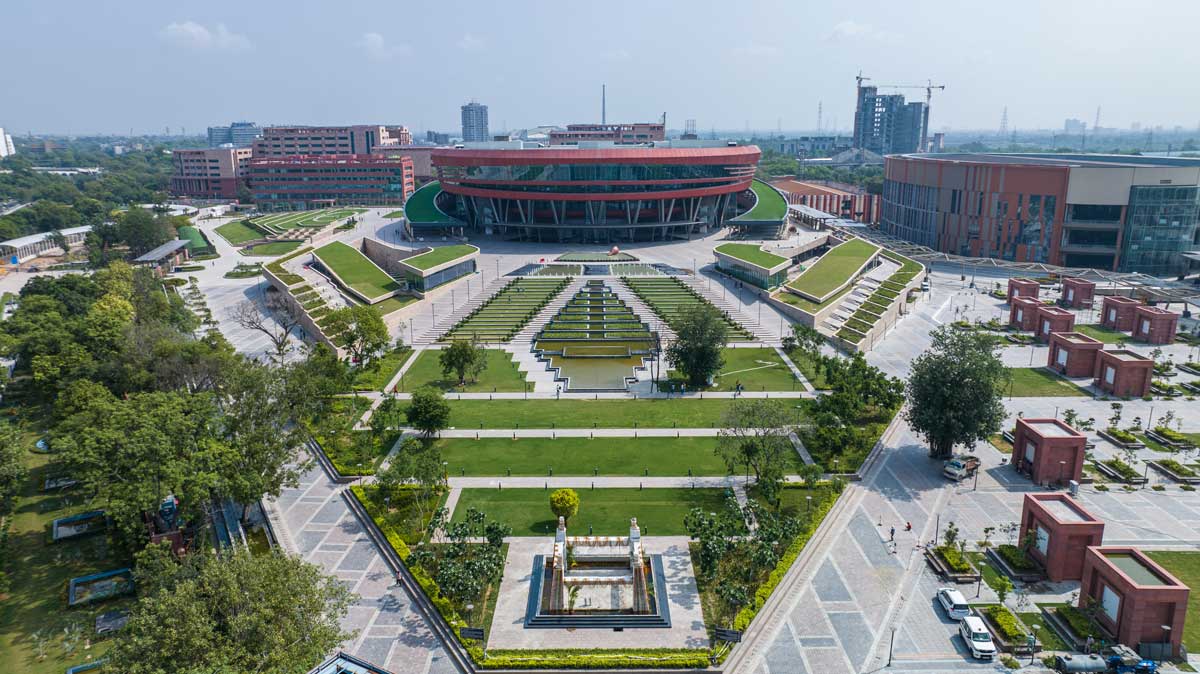
In 2016, ITPO organised an International Architectural Design Competition, calling upon Indian architects and international firms to reimagine Pragati Maidan and construct a state-of-the-art conference and exhibition center, representing India’s 21st-century aspirations. ARCOP (Delhi) and Aedas (Singapore), led by architects Sanjay Singh and Simón Núñez de Arenas Fraile, triumphed in this competition, with construction helmed by Shapoorji Pallonji E&C.

A defining moment

Formerly the Design Leader at Aedas Singapore, Simon played a pivotal role in shaping the master plan for Bharat Mandapam, encompassing the design of exhibition halls, pergolas, amphitheaters, landscapes, and the congress center. During his three-month tenure, he initiated the project’s core ideas and competition concepts, collaborating closely with Arcop for local insights. Subsequently, Sanjay Singh took the lead in overseeing day-to-day project details, with Arcop handling comprehensive interior design.

During the concept design stage, a pivotal development emerged – the venue was chosen to host the G20 Summit. Sanjay Singh, Director, Arcop, recalls, “As designers, we were elated, but also realised that expectations were about to soar exponentially. The timeline remained unaltered, presenting us with a formidable challenge. We embarked on a visit to the G20 Summit venue in Hangzhou, seeking insights into the intricate requirements and their successful implementation.”

India’s inaugural G20 hosting prompted the need for a profound understanding of diverse aspects: the event’s precise itinerary, the protocols governing world leaders, security prerequisites, and logistical patterns. Singh adds, “We were also steadfast in implementing a system of checks and balances to safeguard project quality and development.”


In 2016, ITPO organised an International Architectural Design Competition, calling upon Indian architects and international firms to reimagine Pragati Maidan and construct a state-of-the-art conference and exhibition center, representing India’s 21st-century aspirations. ARCOP (Delhi) and Aedas (Singapore), led by architects Sanjay Singh and Simón Núñez de Arenas Fraile, triumphed in this competition, with construction helmed by Shapoorji Pallonji E&C. A defining moment Formerly the Design Leader at Aedas Singapore, Simon played a pivotal role in shaping the master plan for Bharat Mandapam, encompassing the design of exhibition halls, pergolas, amphitheaters, landscapes, and the congress center. During his three-month tenure, he initiated the project’s core ideas and competition concepts, collaborating closely with Arcop for local insights. Subsequently, Sanjay Singh took the lead in overseeing day-to-day project details, with Arcop handling comprehensive interior design. During the concept design stage, a pivotal development emerged – the venue was chosen to host the G20 Summit. Sanjay Singh, Director, Arcop, recalls, “As designers, we were elated, but also realised that expectations were about to soar exponentially. The timeline remained unaltered, presenting us with a formidable challenge. We embarked on a visit to the G20 Summit venue in Hangzhou, seeking insights into the intricate requirements and their successful implementation.” India’s inaugural G20 hosting prompted the need for a profound understanding of diverse aspects: the event’s precise itinerary, the protocols governing world leaders, security prerequisites, and logistical patterns. Singh adds, “We were also steadfast in implementing a system of checks and balances to safeguard project quality and development.” To read the full story, CLICK HERE.

Next Story
Infrastructure Transport

Railways Boosts Cyber Security And Fairness In Ticket Bookings

Indian Railways has said its reservation ticketing system is a robust and highly secure IT platform equipped with state-of-the-art cyber security measures. The national transporter has introduced several initiatives to enhance system performance and improve access to regular and tatkal tickets. A key step has been the large-scale revalidation and verification of user accounts. Since January 2025, around 30.2 million suspicious user IDs have been deactivated. Anti-bot tools such as Akamai have been deployed to filter non-genuine users, ensuring smoother booking for legitimate passengers. To c..

Next Story
Infrastructure Transport

Indian Railways Speeds Up Green Transition With Wider Electrification

Indian Railways is accelerating its modernisation drive by upgrading infrastructure and rolling stock with advanced technologies aimed at enhancing safety, punctuality, reliability and passenger comfort. A major focus of this effort is the transition to cleaner traction systems, with a significant reduction in the use of coal-based and diesel engines. Electrification has been taken up in mission mode. As of now, 99.2 per cent of the Broad Gauge (BG) network has been electrified, with the remaining routes under execution. During 2014–25, Railways electrified 46,900 route kilometres, compared..

Next Story
Infrastructure Energy

Centre Strengthens Cybersecurity Framework Across India’s Power Sector

The POWERGRID Centre of Excellence (CoE) in Cybersecurity has been established at the Indian Institute of Science (IISc), Bengaluru to advance research and development in cybersecurity for power grid operations and transmission systems. The initiative is part of India’s broader effort to build a resilient and secure power ecosystem. To strengthen cyber readiness across the sector, the Central Electricity Authority (CEA) issued the Cyber Security in Power Sector Guidelines, 2021, creating a comprehensive cyber assurance framework and governance structure for all power entities. Further, the ..

Advertisement

Subscribe to Our Newsletter

Get daily newsletters around different themes from Construction world.

STAY CONNECTED

Advertisement

Advertisement

Advertisement

Advertisement

Open In App