




Delhi govt cuts real estate circle rates
Real Estate

Delhi govt cuts real estate circle rates

In a major relief for homebuyers and a big boost for the real estate industry, the Delhi government has decided to slash circle rates for commercial, residential and industrial properties in Delhi by a flat 20% until the end of September 2021.

A cabinet chaired by Chief Minister Arvind Kejriwal finalised the decision.

Officials said that circle rates related to commercial, residential, and industrial properties in Delhi have been reduced by a flat 20% across all categories of colonies and areas till 30 September 2021.

Industry experts welcomed the decision, saying that the reduction by 20% will motivate the fence-sitter buyers to make quick decisions. Real estate experts said that the decision might also lead to revved up property transactions, especially in Grade A micro-markets, where there is a mismatch in circle rate and market rate.


Make in Steel 2021

24 February 

Click for event info


4th Indian Cement Review Conference 2021

17-18 March 

Click for event info


Higher circle rates are generally assigned to commercial properties by the government and lower rates for residential properties. The type of property also affects the circle rates. The registration value of apartments in Delhi are different from those of plots and independent houses even within the same area.

Delhi has witnessed one of the biggest increases in real estate demand in the country. As we reported, sales went up 43% from Q3 to Q4 FY2020 following, among other seasonal factors, incentives and new launches.

Leading up the Union Budget 2021-22 announcements on February 1, the real estate industry and related associations had sought several steps to reduce the burden on both the industry and the consumer. Real estate, buoyed by a surprising spurt among both domestic and international consumers during the pandemic months, has proved to be a beacon of hope for the overall economy to emerge healthier out of the Covid-19 shadows.

The real estate industry has used that sectoral leadership to ask for further measures to see the industry through. In January, NAREDCO had asked for more stress funds to help tide over the crisis. As per a study by Anarock Property Consultants, affordable housing already accounts for more than 35% of the supply across the top seven cities in the country.

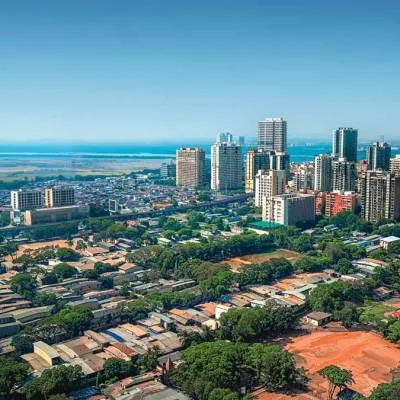
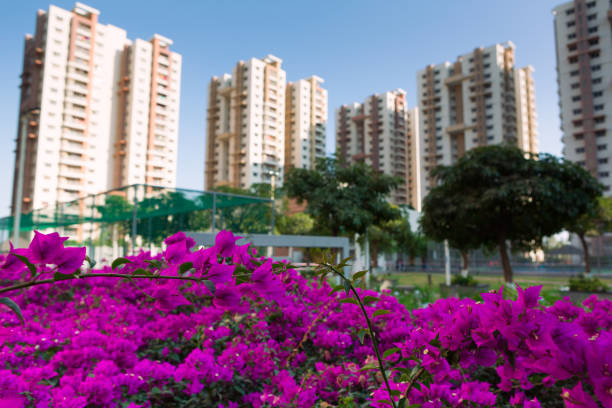
Image: Reduction of circle rates by 20% comes in the already buoyant real estate demand in the National Capital Region.


Also read: DDA’s new housing scheme flooded with aspirant buyers

Also read: Will Budget 2021-22 deliver the goods for real estate?

Also read: Budget expectations in real estate sector

In a major relief for homebuyers and a big boost for the real estate industry, the Delhi government has decided to slash circle rates for commercial, residential and industrial properties in Delhi by a flat 20% until the end of September 2021. A cabinet chaired by Chief Minister Arvind Kejriwal finalised the decision. Officials said that circle rates related to commercial, residential, and industrial properties in Delhi have been reduced by a flat 20% across all categories of colonies and areas till 30 September 2021. Industry experts welcomed the decision, saying that the reduction by 20% will motivate the fence-sitter buyers to make quick decisions. Real estate experts said that the decision might also lead to revved up property transactions, especially in Grade A micro-markets, where there is a mismatch in circle rate and market rate. Make in Steel 202124 February Click for event info4th Indian Cement Review Conference 202117-18 March Click for event infoHigher circle rates are generally assigned to commercial properties by the government and lower rates for residential properties. The type of property also affects the circle rates. The registration value of apartments in Delhi are different from those of plots and independent houses even within the same area. Delhi has witnessed one of the biggest increases in real estate demand in the country. As we reported, sales went up 43% from Q3 to Q4 FY2020 following, among other seasonal factors, incentives and new launches. Leading up the Union Budget 2021-22 announcements on February 1, the real estate industry and related associations had sought several steps to reduce the burden on both the industry and the consumer. Real estate, buoyed by a surprising spurt among both domestic and international consumers during the pandemic months, has proved to be a beacon of hope for the overall economy to emerge healthier out of the Covid-19 shadows. The real estate industry has used that sectoral leadership to ask for further measures to see the industry through. In January, NAREDCO had asked for more stress funds to help tide over the crisis. As per a study by Anarock Property Consultants, affordable housing already accounts for more than 35% of the supply across the top seven cities in the country.Image: Reduction of circle rates by 20% comes in the already buoyant real estate demand in the National Capital Region. Also read: DDA’s new housing scheme flooded with aspirant buyers Also read: Will Budget 2021-22 deliver the goods for real estate? Also read: Budget expectations in real estate sector

Next Story
Real Estate

AI: The New Recruit

From getting ideas to evaluating designs, presenting concepts to clients and tracking projects, artificial intelligence (AI) is helping architects work better and faster.“AI allows architects to spend more time doing what only they can do: think critically, synthesise complexity and design with intent,” says Dikshu C Kukreja, Managing Principal, CP Kukreja Architects. “Every minute reclaimed from repetitive processes can be invested in creativity, contextual understanding, interdisciplinary collaboration and innovation – the qualities that define meaningful architecture.”To read the ..

Next Story
Real Estate

Redevelopment 2.0

In 2017, Mumbai identified 160,000 ageing buildings due for structural audit. Close to half of these were in the Western Suburbs. Redeveloping the oldest and structurally weakest of these would help unlock new housing, much needed given the city’s growing population density and constant developed area of 437.7 sq km. At 30,600 people per sq km in 2024, Mumbai’s density was almost thrice that of Gurugram, and 60 per cent higher than Bengaluru’s.Essentially, Mumbai’s realty market has demand. It has capital. It has realty development potential.Fast forward to 2026. Mumbai has 1,094 regis..

Next Story
Technology

Cost intelligence will become a strategic contributor to project success

As India's construction industry accelerates its digital transformation, integrated platforms, AI and connected data are becoming essential to improving cost certainty, project efficiency and sustainability. Ravi Kumar, Sales Director – India, RIB Software India, shares how digital workflows are reshaping project planning, commercial management and decision-making across the construction value chain.India's construction sector is embracing digital technologies at an unprecedented pace. From your perspective, what are the biggest shifts driving this transformation and how is RIB Software enab..

Advertisement

Subscribe to Our Newsletter

Get daily newsletters around different themes from Construction world.

STAY CONNECTED

Advertisement

Advertisement

Advertisement