Designing green and sustainable with the Integrative Design Process
Real Estate

Designing green and sustainable with the Integrative Design Process

  • Collaborative and inclusive
  • Lifecycle thinking
  • Cost-effective and lean
  • Value-engineered
  • Performance tracking

Indeed, considering the imperatives listed above, the value of green is best realised with an early start. Green buildings are designed to use energy and water optimally, generate minimal waste, and provide a productive and healthier work environment. They render improved air quality, minimally impact the land and, with proper planning, are the smart way to go economically.

So, how do we go about designing and operating spaces, buildings and even cities and communities to be optimal in planning, design and operations? Today, it has much to do with an approach known as Integrative Design Process (IDP). IDP is a concept that improves projects at every step: from design to implementation to ongoing operations and maintenance. While, at the building level, it facilitates cross-team collaboration between system designers (e.g. electrical or mechanical design consultants) and architects, at the city or community level, it accounts for the interaction of all buildings, infrastructure and systems, relying on an iterative cycle of analysis, stakeholder feedback, implementation and performance tracking. This facilitates teamwork for early analysis to derive cost-effective, high-performance outcomes.

Effective stormwater management system
An integrated road network planning with an effective stormwater management system—infiltration trenches, retention ponds, downstream flood control measures, reduced impervious paving, erosion and sedimentation control measures through swales, sedimentation pits and vegetation growth on exposed soils along with mulching—can help cities with better management of stormwater, integrated water management and flood control. It also addresses urban heat island management.

New beginnings
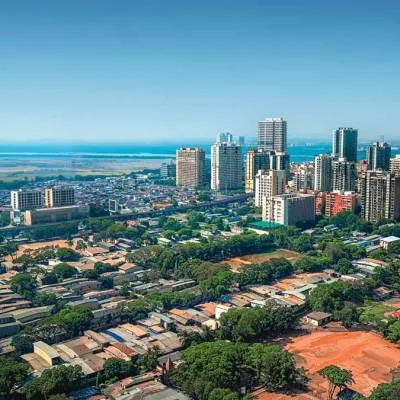
For example, when a new city or community is being planned, it is important that all relevant departments, persons-in-charge and, possibly, future residents get together to set goals and objectives for the plan and design. Some core issues that need to addressed at the design stage include resilience and sustainability. Taking the latest instance of cities affected by disasters, natural or manmade, such as cyclones or flooding, it is an imperative that integrative planning is followed to ensure cities are resilient and sustainable by design, not as an afterthought. An integrative approach to city planning can help cities better cope with these situations. One area where integrative planning can be of great help is integrated road and infrastructure planning. Stormwater drainage networks planned with concepts of sustainable urban drainage, well integrated with road networks and aggregate utility corridor planning, can enable cities to cope with future flooding problems and assist in better operations and management of infrastructure systems.

On similar lines, integrated planning approaches can help cities and communities save on vital resources such as energy, water and energy spent on transportation and commuting and offer better quality of life. For instance, proper orientation of houses and street network can help cities with better solar access, management of wind patterns and avoidance of heat island. In early days, cities such as Jaisalmer in hot and arid Rajasthan were planned with shaded road networks and mutually shaded houses to provide a cooler microclimate.

New cities such as FredericiaC, in the heart of the Danish city Fredericia, including apartments, offices, shops and cafés, have been planned as CO2-neutral urban areas through the optimisation of solar utilisation, daylight access and solar incidence in urban spaces, while ensuring a living city. Daylight access for all buildings and solar access to enable renewable energy integration have been planned as an integrative urban design solution to arrive at a carbon-neutral city. In this case, the power of integrative process in urban planning, architectural planning and energy planning will enable the city to move towards its carbon-neutral goal.

Understanding IDP
IDP begins at the earliest stages of project planning. The team and goals involved in integrative design vary based on the size and scale of the project. Significantly, the IDP approach is distinctly different from the sequential and isolated approach followed in the conventional design process. Let’s take the example of an office. In a conventional design process, the architect would develop designs based on the design brief provided by the client. Next, electrical and mechanical engineers would design the lighting and HVAC systems, based largely on applicable codes and standards. Finally, an interior fit-out consultant would address work space requirements and design furniture and fit-outs based on the interior theme. Consequently, the positioning of lights and supply diffusers for cooled air may not be synced with seating arrangements. Occupants might experience ongoing visual and thermal discomfort. Thus, the conventional approach often leads to redundancy and overdesign, both of which are not sustainable.

In comparison, IDP begins with thorough goal and objective-setting sessions involving all team members. These planning sessions include thermal comfort, energy performance and HVAC load reduction. The team, for example, discusses how HVAC load reduction can be achieved through a high-performance envelope, utilising adaptive thermal comfort criteria and achieving lower-light power density with efficient lighting design and daylight integration. The interior designer takes cognisance of the positions of lights and air diffusers or daylight access to plan for sitting arrangements.

Difference between integrative design and conventional design
Final decisions can then be developed based on optimisation of all design elements and building systems, including a cost-benefit analysis (initial costs and operational costs). Thus, IDP helps craft an optimised design that is high-performance and cost-effective.

LEED and integrative design
The newest iteration of LEED - LEED V4.1 for buildings, communities and cities facilitates IDP with a credit requirement.
At the building level, energy modelling on preliminary base design is undertaken to evaluate the advantages of site conditions, all with an eye on HVAC sizing. The impact of building orientation, and interior and envelope design elements—such as insulation, high-performance glazing, window-to-wall ratios, shading, optimal lighting levels amd indoor design temperatures—is collectively and individually assessed in the energy modelling exercise.

An IDP case study
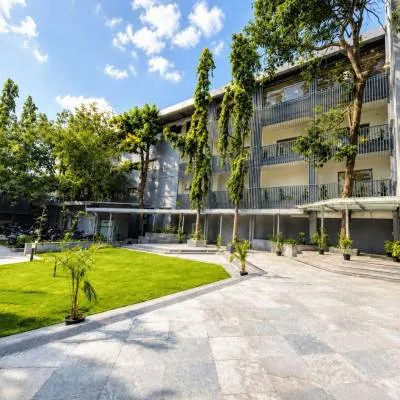
The GBCI India LEED Platinum space is located in Noida, Uttar Pradesh, India. IDP was followed from inception to completion and, now, through operations. The space fully uses daylighting to reduce lighting energy consumption and add to circadian rhythm benefits. Daylight sensors have been installed on the periphery to sense daylight and control illumination from the installed lights. These lights are dimmable LEDs and levels are increased or decreased based on the daylight available. On similar lines, air diffusers are positioned and aligned as per seating in the space. A fully automated variable-air-volume (VAV) system provides cooling according to the needs of the occupants and space. The space has been designed to one-third load compared to a conventionally designed space. As a result, it uses minimal energy during operations and provides comfort, both visual and thermal, as per occupant needs.

Tools and techniques to facilitate integrative design
While team collaboration and system-oriented lifecycle analysis form the foundation of IDP, technological tools are available to facilitate the process and add qualitative and quantitative value. Building information modelling (BIM) is perceived to be a technological tool to achieve integrative design. However, it should not be taken as a tool that can replace human collaboration, which is the essence of IDP.

Many BIM models are available with LEED outputs. BIM modelling protocols with embedded tools for energy analysis and structural analysis offer opportunities for IDP; if used by designers, they can greatly facilitate green design.

In conclusion
IDP offers endless options to achieve green and sustainable design. It fosters partnerships and yields results that are environmentally benign, economically viable and socially acceptable.

About the author: Mili Majumdar, Managing Director, Green Business Certification Institute (GBCI), India, is responsible for technical adaptation and customisation of the portfolio of rating systems of GBCI for the Asia-Pacific region. She is also responsible for customer coordination, education, training, and developing market mechanisms for the adoption of tools and rating systems for the region.


Collaborative and inclusiveLifecycle thinking Cost-effective and lean Value-engineered Performance tracking Indeed, considering the imperatives listed above, the value of green is best realised with an early start. Green buildings are designed to use energy and water optimally, generate minimal waste, and provide a productive and healthier work environment. They render improved air quality, minimally impact the land and, with proper planning, are the smart way to go economically. So, how do we go about designing and operating spaces, buildings and even cities and communities to be optimal in planning, design and operations? Today, it has much to do with an approach known as Integrative Design Process (IDP). IDP is a concept that improves projects at every step: from design to implementation to ongoing operations and maintenance. While, at the building level, it facilitates cross-team collaboration between system designers (e.g. electrical or mechanical design consultants) and architects, at the city or community level, it accounts for the interaction of all buildings, infrastructure and systems, relying on an iterative cycle of analysis, stakeholder feedback, implementation and performance tracking. This facilitates teamwork for early analysis to derive cost-effective, high-performance outcomes. Effective stormwater management system An integrated road network planning with an effective stormwater management system—infiltration trenches, retention ponds, downstream flood control measures, reduced impervious paving, erosion and sedimentation control measures through swales, sedimentation pits and vegetation growth on exposed soils along with mulching—can help cities with better management of stormwater, integrated water management and flood control. It also addresses urban heat island management. New beginnings For example, when a new city or community is being planned, it is important that all relevant departments, persons-in-charge and, possibly, future residents get together to set goals and objectives for the plan and design. Some core issues that need to addressed at the design stage include resilience and sustainability. Taking the latest instance of cities affected by disasters, natural or manmade, such as cyclones or flooding, it is an imperative that integrative planning is followed to ensure cities are resilient and sustainable by design, not as an afterthought. An integrative approach to city planning can help cities better cope with these situations. One area where integrative planning can be of great help is integrated road and infrastructure planning. Stormwater drainage networks planned with concepts of sustainable urban drainage, well integrated with road networks and aggregate utility corridor planning, can enable cities to cope with future flooding problems and assist in better operations and management of infrastructure systems. On similar lines, integrated planning approaches can help cities and communities save on vital resources such as energy, water and energy spent on transportation and commuting and offer better quality of life. For instance, proper orientation of houses and street network can help cities with better solar access, management of wind patterns and avoidance of heat island. In early days, cities such as Jaisalmer in hot and arid Rajasthan were planned with shaded road networks and mutually shaded houses to provide a cooler microclimate. New cities such as FredericiaC, in the heart of the Danish city Fredericia, including apartments, offices, shops and cafés, have been planned as CO2-neutral urban areas through the optimisation of solar utilisation, daylight access and solar incidence in urban spaces, while ensuring a living city. Daylight access for all buildings and solar access to enable renewable energy integration have been planned as an integrative urban design solution to arrive at a carbon-neutral city. In this case, the power of integrative process in urban planning, architectural planning and energy planning will enable the city to move towards its carbon-neutral goal. Understanding IDP IDP begins at the earliest stages of project planning. The team and goals involved in integrative design vary based on the size and scale of the project. Significantly, the IDP approach is distinctly different from the sequential and isolated approach followed in the conventional design process. Let’s take the example of an office. In a conventional design process, the architect would develop designs based on the design brief provided by the client. Next, electrical and mechanical engineers would design the lighting and HVAC systems, based largely on applicable codes and standards. Finally, an interior fit-out consultant would address work space requirements and design furniture and fit-outs based on the interior theme. Consequently, the positioning of lights and supply diffusers for cooled air may not be synced with seating arrangements. Occupants might experience ongoing visual and thermal discomfort. Thus, the conventional approach often leads to redundancy and overdesign, both of which are not sustainable. In comparison, IDP begins with thorough goal and objective-setting sessions involving all team members. These planning sessions include thermal comfort, energy performance and HVAC load reduction. The team, for example, discusses how HVAC load reduction can be achieved through a high-performance envelope, utilising adaptive thermal comfort criteria and achieving lower-light power density with efficient lighting design and daylight integration. The interior designer takes cognisance of the positions of lights and air diffusers or daylight access to plan for sitting arrangements. Difference between integrative design and conventional design Final decisions can then be developed based on optimisation of all design elements and building systems, including a cost-benefit analysis (initial costs and operational costs). Thus, IDP helps craft an optimised design that is high-performance and cost-effective. LEED and integrative design The newest iteration of LEED - LEED V4.1 for buildings, communities and cities facilitates IDP with a credit requirement. At the building level, energy modelling on preliminary base design is undertaken to evaluate the advantages of site conditions, all with an eye on HVAC sizing. The impact of building orientation, and interior and envelope design elements—such as insulation, high-performance glazing, window-to-wall ratios, shading, optimal lighting levels amd indoor design temperatures—is collectively and individually assessed in the energy modelling exercise. An IDP case study The GBCI India LEED Platinum space is located in Noida, Uttar Pradesh, India. IDP was followed from inception to completion and, now, through operations. The space fully uses daylighting to reduce lighting energy consumption and add to circadian rhythm benefits. Daylight sensors have been installed on the periphery to sense daylight and control illumination from the installed lights. These lights are dimmable LEDs and levels are increased or decreased based on the daylight available. On similar lines, air diffusers are positioned and aligned as per seating in the space. A fully automated variable-air-volume (VAV) system provides cooling according to the needs of the occupants and space. The space has been designed to one-third load compared to a conventionally designed space. As a result, it uses minimal energy during operations and provides comfort, both visual and thermal, as per occupant needs. Tools and techniques to facilitate integrative design While team collaboration and system-oriented lifecycle analysis form the foundation of IDP, technological tools are available to facilitate the process and add qualitative and quantitative value. Building information modelling (BIM) is perceived to be a technological tool to achieve integrative design. However, it should not be taken as a tool that can replace human collaboration, which is the essence of IDP. Many BIM models are available with LEED outputs. BIM modelling protocols with embedded tools for energy analysis and structural analysis offer opportunities for IDP; if used by designers, they can greatly facilitate green design. In conclusion IDP offers endless options to achieve green and sustainable design. It fosters partnerships and yields results that are environmentally benign, economically viable and socially acceptable. About the author: Mili Majumdar, Managing Director, Green Business Certification Institute (GBCI), India, is responsible for technical adaptation and customisation of the portfolio of rating systems of GBCI for the Asia-Pacific region. She is also responsible for customer coordination, education, training, and developing market mechanisms for the adoption of tools and rating systems for the region.
Next Story
Infrastructure Urban

ABB to Invest Rs 6.25 Billion to Expand India Manufacturing

ABB recently announced plans to invest approximately Rs 6.25 billion ($75 million) in India during 2026 to expand its manufacturing footprint and research and development capabilities. The investment follows more than $35 million spent in 2025 and reflects the company’s continued focus on strengthening its ‘local-for-local’ strategy in the country.The investment will support ABB’s Electrification, Motion and Automation businesses and expand manufacturing capacity for infrastructure sectors such as renewable energy, metro rail, data centres and industrial applications. Approximately 300..

Next Story
Equipment

Six WOLFF Cranes Handle 60,000 m³ Concrete for German Hospital

Six WOLFF tower cranes are playing a key role in constructing a new hospital complex in Memmingen, Germany, supporting large-scale material handling for the project. The facility is being built on a 7.7-hectare site and will feature six floors, around 480 beds and a gross floor area exceeding 75,000 sq m.Building shell works began recently in February 2025. One WOLFF 6531.12 Cross crane supported early site preparation before being dismantled in autumn 2025, while five remaining cranes continue operations. Over an average deployment period of 16 months, the cranes are expected to move approxim..

Next Story
Equipment

REC Funds Rs 115.6 Million CSR Support for Bihar Eye Hospital

REC recently committed Rs 115.6 million under its Corporate Social Responsibility (CSR) programme for the procurement of clinical and non-clinical equipment at Sankara Eye Hospital in Saharsa, Bihar. The initiative aims to strengthen healthcare infrastructure and improve access to specialised eye care services in the region.A Memorandum of Agreement (MoA) was recently signed between Pradeep Fellows, Executive Director (CSR), REC Limited, and Wg Cdr V. Shankar (Retd), Trustee and Executive Director of Sankara Eye Hospital, at the REC office in the SCOPE Complex, New Delhi.The support is expecte..

Advertisement

Subscribe to Our Newsletter

Get daily newsletters around different themes from Construction world.

STAY CONNECTED

Advertisement

Advertisement

Advertisement