Tata Power EV Expands Charging Network On Delhi Mumbai Expressway
POWER & RENEWABLE ENERGY

Tata Power EV Expands Charging Network On Delhi Mumbai Expressway

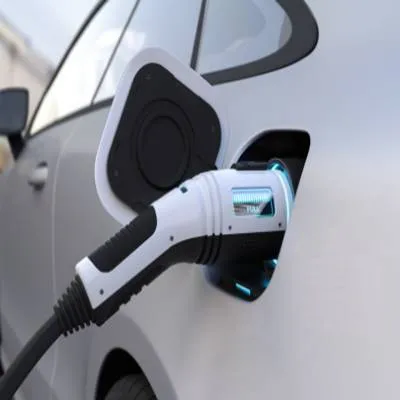
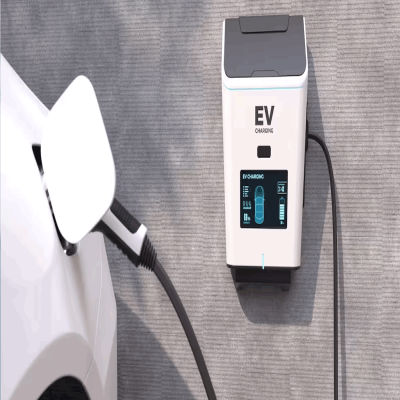
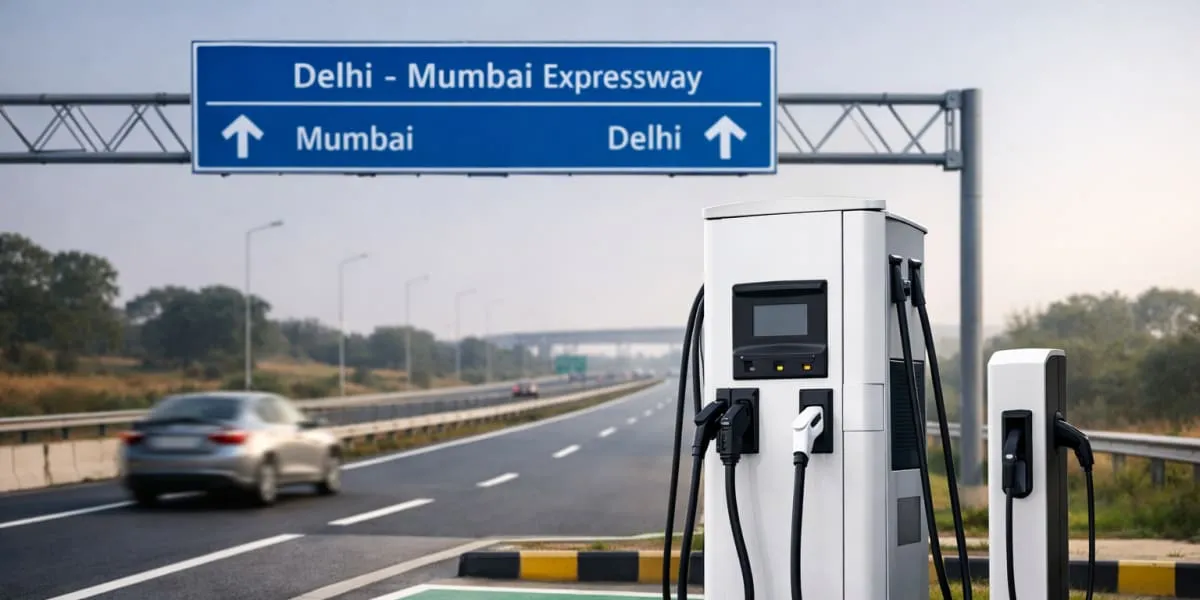
Tata Power EV has expanded its electric vehicle charging infrastructure along the Delhi–Mumbai Expressway, the company said in a statement. The move extends rapid charging facilities at strategic locations on the national corridor to support long-distance electric travel. The deployment aims to address charging gaps between urban centres and improve corridor connectivity for private and commercial electric vehicles. The roll-out forms part of the company's wider highway charging strategy.

The expanded network features a mix of alternating current and direct current rapid chargers designed to serve a range of vehicle models. Charging sites offer interoperable payment options and remote monitoring for operational reliability. Site selection was guided by traffic patterns and proximity to amenities to ensure convenience for travellers. Maintenance and customer assistance mechanisms have been put in place to minimise downtime.

Company executives described the expansion as aligned with national objectives to increase electric mobility and reduce emissions from road transport. The initiative is expected to support fleet operators as well as individual users by reducing range anxiety and facilitating predictable journey planning. Collaboration with highway developers and local authorities has been highlighted as a key element in securing locations and permissions. The firm indicated that data from the new sites will inform future network densification.

Users along the corridor will gain greater confidence in undertaking intercity trips as the charging footprint grows, according to the company. Operators of commercial vehicles are expected to benefit from shorter dwell times at charging stops and improved asset utilisation. The firm said it will continue to prioritise corridor deployments and review opportunities to integrate renewable energy sources and battery management systems at key sites. Wider roll-outs are planned to create a more seamless national charging ecosystem.

Tata Power EV has expanded its electric vehicle charging infrastructure along the Delhi–Mumbai Expressway, the company said in a statement. The move extends rapid charging facilities at strategic locations on the national corridor to support long-distance electric travel. The deployment aims to address charging gaps between urban centres and improve corridor connectivity for private and commercial electric vehicles. The roll-out forms part of the company's wider highway charging strategy. The expanded network features a mix of alternating current and direct current rapid chargers designed to serve a range of vehicle models. Charging sites offer interoperable payment options and remote monitoring for operational reliability. Site selection was guided by traffic patterns and proximity to amenities to ensure convenience for travellers. Maintenance and customer assistance mechanisms have been put in place to minimise downtime. Company executives described the expansion as aligned with national objectives to increase electric mobility and reduce emissions from road transport. The initiative is expected to support fleet operators as well as individual users by reducing range anxiety and facilitating predictable journey planning. Collaboration with highway developers and local authorities has been highlighted as a key element in securing locations and permissions. The firm indicated that data from the new sites will inform future network densification. Users along the corridor will gain greater confidence in undertaking intercity trips as the charging footprint grows, according to the company. Operators of commercial vehicles are expected to benefit from shorter dwell times at charging stops and improved asset utilisation. The firm said it will continue to prioritise corridor deployments and review opportunities to integrate renewable energy sources and battery management systems at key sites. Wider roll-outs are planned to create a more seamless national charging ecosystem.

Next Story
Products

Fynd Launches AI Platform to Accelerate Fashion Creation

Fynd, an AI-native retail technology company backed by Reliance Retail Ventures, has launched Fynd Create, a platform designed to bring design intelligence, sourcing and manufacturing onto a single connected ecosystem. The platform aims to help brands respond faster to changing consumer preferences and shorten product development cycles.As social media trends continue to compress traditional fashion seasons, brands are under increasing pressure to move from seasonal planning to demand-driven production. Conventional supply chains, often characterised by long lead times and fragmented operation..

Next Story
Resources

Modis Navnirman Appointed For Neel Kiran CHSL Redevelopment

Modis Navnirman (MNL) has been appointed as the developer for the redevelopment of Neel Kiran Co-operative Housing Society Ltd in Khar West, Mumbai, following a selection process in which members chose MNL as their preferred partner. The appointment will add approximately Rs two point five billion (Rs two point five bn) to the company's Gross Development Value pipeline and strengthen its focus on redevelopment and urban renewal projects across the Mumbai Metropolitan Region. The project site is a landmark residential society in Khar West, and the selection reflects members' preference for a pa..

Next Story
Infrastructure Energy

Diamond Power Commissions Eighth MV and EHV Cable Line

Diamond Power Infrastructure (DPIL) has commissioned its eighth Medium Voltage (MV) and Extra High Voltage (EHV) power cable production line at its manufacturing facility in Vadodara, Gujarat. The new line enhances the company's manufacturing capacity in the technologically advanced MV and EHV underground power cable segment. This segment supplies cables for power transmission networks, power generation projects and renewable energy evacuation systems. The development is presented as a step to meet evolving infrastructure needs. The MV and EHV cables produced at the Vadodara facility serve urb..

Advertisement

Subscribe to Our Newsletter

Get daily newsletters around different themes from Construction world.

STAY CONNECTED

Advertisement

Advertisement

Advertisement