
KAFF Introduces Whole-Premises Air Purification System
Interiors

KAFF Introduces Whole-Premises Air Purification System

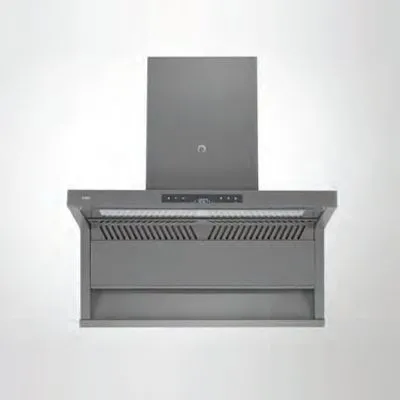
KAFF has introduced its Whole-Premises Air Purification System, positioning it as a long-term indoor air quality solution for homes, offices and commercial spaces. Unlike conventional air purifiers that recirculate indoor air, the system operates on a positive input ventilation principle, drawing in fresh outdoor air, filtering it thoroughly, and supplying it evenly indoors while pushing stale air out through natural ventilation points.
Designed for regions facing persistent air pollution, the system maintains slight positive indoor pressure to prevent unfiltered outdoor air from entering through gaps and openings. Its multi-stage filtration removes particulate matter such as PM2.5 and PM10, along with dust, pollen, allergens, microbes, gaseous pollutants and excess carbon dioxide before air enters the space.
The system also supports humidity regulation, helping reduce dampness and mould formation, while eliminating odours from cooking, smoke and enclosed environments. Powered by an energy-efficient EC motor, it operates quietly for continuous use with low power consumption.
Suitable for residences, schools, offices, healthcare facilities and commercial premises, the modular system is designed for low maintenance and scalable deployment, offering consistent indoor air renewal rather than intermittent filtration.

KAFF has introduced its Whole-Premises Air Purification System, positioning it as a long-term indoor air quality solution for homes, offices and commercial spaces. Unlike conventional air purifiers that recirculate indoor air, the system operates on a positive input ventilation principle, drawing in fresh outdoor air, filtering it thoroughly, and supplying it evenly indoors while pushing stale air out through natural ventilation points.Designed for regions facing persistent air pollution, the system maintains slight positive indoor pressure to prevent unfiltered outdoor air from entering through gaps and openings. Its multi-stage filtration removes particulate matter such as PM2.5 and PM10, along with dust, pollen, allergens, microbes, gaseous pollutants and excess carbon dioxide before air enters the space.The system also supports humidity regulation, helping reduce dampness and mould formation, while eliminating odours from cooking, smoke and enclosed environments. Powered by an energy-efficient EC motor, it operates quietly for continuous use with low power consumption.Suitable for residences, schools, offices, healthcare facilities and commercial premises, the modular system is designed for low maintenance and scalable deployment, offering consistent indoor air renewal rather than intermittent filtration.

Related Stories

Gold Stories
Next Story
Infrastructure Urban

KONE Opens India's First Digital Experience Centre in Pune

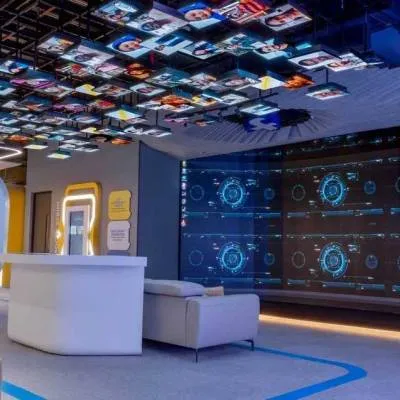
KONE, a global elevator and escalator manufacturer, has inaugurated its first Digital Experience Centre (DEC) in India, located in Pune. The facility aims to showcase how artificial intelligence (AI), connectivity and data-driven technologies can enhance customer experiences and improve building operations.The centre was inaugurated by Jussi Herlin, Executive Vice Chair, KONE Corporation; Philippe Delorme, President and CEO, KONE; and Nandan Nilekani, Co-founder and Chairman of the Board, Infosys.Designed as an interactive customer environment, the facility demonstrates digital solutions cover..

Next Story
Infrastructure Urban

CII GreenCo Launches Circularity Guidelines for Indian Industry

The Confederation of Indian Industry (CII) GreenCo Council has launched the CII GreenCo Circularity Guidelines – Pilot Version at the 17th CII GreenCo Waste & Resource Management Summit 2026 in Chennai. The initiative aims to strengthen resource efficiency, waste reduction and circular economy practices across Indian manufacturing and process industries.The guidelines introduce a structured framework with circularity indices covering raw materials, consumables, packaging and other resource inputs. These indicators will help industries assess existing practices, identify opportunities to ..

Next Story
Infrastructure Energy

Global Electronics Association Launches IPC-1783-CO2E Standard

The Global Electronics Association has introduced IPC-1783-CO2E, a new international standard aimed at improving consistency, transparency and comparability in product carbon footprint reporting across the electronics manufacturing industry.The standard, titled International Standard for Data Collection and Reporting of CO2 Equivalent (CO2e) Emissions for the Electronics Manufacturing Supply Chain, provides industry-specific guidance for collecting, estimating and reporting carbon emissions data.With increasing regulatory requirements and customer expectations, electronics manufacturers face c..

Advertisement

Subscribe to Our Newsletter

Get daily newsletters around different themes from Construction world.

STAY CONNECTED

Advertisement

SPECIAL OFFER
QR Code