Kosol Energie Expands Battery Storage Push Through KoBESS
Real Estate

Kosol Energie Expands Battery Storage Push Through KoBESS

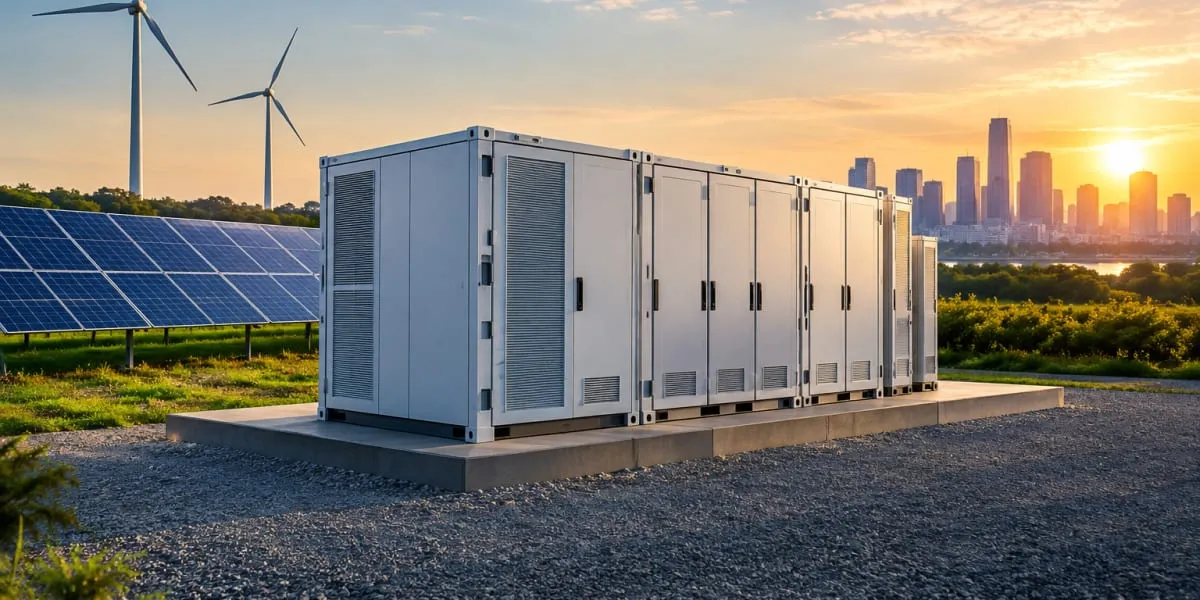
Indian solar manufacturer Kosol Energie is expanding its battery energy storage system (BESS) business in India through subsidiary KoBESS, offering solutions for residential, commercial and industrial (C&I), and utility-scale applications. The company has deployed storage systems since 2015, primarily in the US, and is now bringing that experience to a market driven by renewable energy integration, round-the-clock power needs and energy cost optimisation.

KoBESS is positioning itself across three segments through a manufacturing facility with a capacity of 6 GW. Its portfolio includes residential systems ranging from 5 kW to 25 kW, C&I solutions comprising 250 kWh, 500 kW and 1 MWh systems, and utility-scale storage containers with capacities of 5 MWh and 6.2 MWh. The company says its products and bills of materials undergo reliability testing, supported by more than a decade of deployment experience.

A central part of the offering is KoBESS’s energy management system (EMS), with both its hardware and software developed in India. The system is designed to optimise energy consumption, power sourcing and storage utilisation according to customer requirements. The company also plans to use historical deployment data to demonstrate storage economics, including potential savings and returns on investment.

Rather than relying on standardised battery configurations, KoBESS assesses each customer’s consumption and load profile through a data acquisition system. Its software then determines the required BESS capacity, suitable application, possible savings and payback period. The approach is intended to help customers assess the financial case for storage before investing.

The platform can also account for consumption patterns, weather forecasts and holidays when determining the most economical energy mix. Kosol Energie is planning a hybrid installation at its captive power plant comprising approximately 12 MW of solar direct-current capacity and 25 MWh of BESS, designed to match factory consumption at 15-minute intervals. KoBESS also sees opportunities in revenue stacking and autonomous electricity market participation, subject to market rules and customer requirements.

Indian solar manufacturer Kosol Energie is expanding its battery energy storage system (BESS) business in India through subsidiary KoBESS, offering solutions for residential, commercial and industrial (C&I), and utility-scale applications. The company has deployed storage systems since 2015, primarily in the US, and is now bringing that experience to a market driven by renewable energy integration, round-the-clock power needs and energy cost optimisation. KoBESS is positioning itself across three segments through a manufacturing facility with a capacity of 6 GW. Its portfolio includes residential systems ranging from 5 kW to 25 kW, C&I solutions comprising 250 kWh, 500 kW and 1 MWh systems, and utility-scale storage containers with capacities of 5 MWh and 6.2 MWh. The company says its products and bills of materials undergo reliability testing, supported by more than a decade of deployment experience. A central part of the offering is KoBESS’s energy management system (EMS), with both its hardware and software developed in India. The system is designed to optimise energy consumption, power sourcing and storage utilisation according to customer requirements. The company also plans to use historical deployment data to demonstrate storage economics, including potential savings and returns on investment. Rather than relying on standardised battery configurations, KoBESS assesses each customer’s consumption and load profile through a data acquisition system. Its software then determines the required BESS capacity, suitable application, possible savings and payback period. The approach is intended to help customers assess the financial case for storage before investing. The platform can also account for consumption patterns, weather forecasts and holidays when determining the most economical energy mix. Kosol Energie is planning a hybrid installation at its captive power plant comprising approximately 12 MW of solar direct-current capacity and 25 MWh of BESS, designed to match factory consumption at 15-minute intervals. KoBESS also sees opportunities in revenue stacking and autonomous electricity market participation, subject to market rules and customer requirements.

Related Stories

Gold Stories

Next Story
Real Estate

IGBC Green Building Congress 2026 advances India’s net-zero agenda

The Indian Green Building Council (IGBC), part of the Confederation of Indian Industry (CII), opened the 24th edition of the Green Building Congress 2026 at the Jio World Convention Centre, Mumbai, with a focus on accelerating India's green and net-zero building movement. The three-day event, being held from 26 to 28 November, brought together policymakers, industry leaders and sustainability experts to discuss green buildings, climate-resilient infrastructure and sustainable communities.A key highlight of the inaugural session was the launch of five pilot rating systems: Green Retail, DigiBui..
Next Story
Real Estate

Maharashtra CM inaugurates fifth Model Sub-Registrar Office in Mumbai

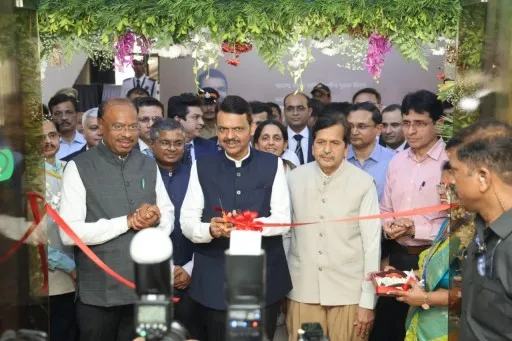
Maharashtra Chief Minister Devendra Fadnavis has inaugurated a Model Sub-Registrar Office (SRO) in Lower Parel, Mumbai, taking the number of such centres launched in the state to five. The initiative aims to modernise property registration services through technology-enabled infrastructure and citizen-centric processes.Developed by the Government of Maharashtra in association with VFS Global and WE Excel Software, the Lower Parel centre follows the launch of Model SROs in Pune, Bandra Kurla Complex in Mumbai, Navi Mumbai and Nagpur.The centres provide facilities for registering property-relate..

Next Story
Infrastructure Transport

NHBF hails Indian Army aircraft operations on Amritsar–Jamnagar corridor

The National Highways Builders Federation (NHBF) has welcomed the successful landing and take-off of four Indian Army microlight aircraft on the Amritsar–Jamnagar Economic Corridor (NH-754K) in Gujarat. The exercise demonstrated the potential of highway infrastructure to support defence operations and emergency response. The expressway was developed by CDS Infra Projects, an NHBF member company.Developed under the Bharatmala Pariyojana, the six-lane greenfield corridor is described as India's second-longest expressway. The operation was conducted by the Indian Army's Team Mountain Eagles as ..

Subscribe to Our Newsletter

Get daily newsletters around different themes from Construction world.

STAY CONNECTED

Advertisement

SPECIAL OFFER
QR Code