Noida Approves Rules to Enable Taller, Denser Development
Real Estate

Noida Approves Rules to Enable Taller, Denser Development

The Noida Authority board has approved the adoption of the Model Building Regulations, 2026, clearing the way for higher-density development and taller buildings in the city. The regulations remove the floor area ratio (FAR) cap for group housing projects on plots along roads at least 45 metres wide, subject to planning, safety and aviation clearances.

The decision was taken at the Authority’s 224th board meeting, chaired by Deepak Kumar, Uttar Pradesh’s infrastructure and industrial development commissioner and Noida Authority chairman. A committee comprising officials from the Noida, Greater Noida and Yamuna authorities will examine implementation and identify issues requiring decisions at board level.

The previous maximum permissible FAR for group housing in Noida was 3.5. Removing the ceiling could allow developers to create more floor space on expensive urban land, with projects potentially reaching 80 storeys. However, ground setbacks, fire safety requirements, aviation height clearances and mandatory structural audits will continue to determine the scale of individual developments.

Sector 150, the Noida-Greater Noida Expressway and areas near Jewar airport are among the locations expected to benefit. The regulations also introduce a 60-day deemed-approval framework, which could reduce pre-construction timelines and holding costs. Developers may initially focus on premium residential and commercial projects because of the higher cost of skyscraper construction, while the effect on affordability will depend on whether additional development potential supports a wider range of housing.

The policy will increase demands on roads, drainage, sewage, electricity, parking, waste management and emergency services. Taller towers may require pile and raft foundations, specialised lifts, enhanced water and plumbing systems, and stricter quality controls. Experts have also raised questions about fixed setbacks for buildings above 50 metres, arguing that taller structures require progressively greater space for firefighting and evacuation. A specialised tall-buildings review body could help assess structural stability, fire safety, evacuation systems and long-term maintenance before approvals are granted.

The Noida Authority board has approved the adoption of the Model Building Regulations, 2026, clearing the way for higher-density development and taller buildings in the city. The regulations remove the floor area ratio (FAR) cap for group housing projects on plots along roads at least 45 metres wide, subject to planning, safety and aviation clearances. The decision was taken at the Authority’s 224th board meeting, chaired by Deepak Kumar, Uttar Pradesh’s infrastructure and industrial development commissioner and Noida Authority chairman. A committee comprising officials from the Noida, Greater Noida and Yamuna authorities will examine implementation and identify issues requiring decisions at board level. The previous maximum permissible FAR for group housing in Noida was 3.5. Removing the ceiling could allow developers to create more floor space on expensive urban land, with projects potentially reaching 80 storeys. However, ground setbacks, fire safety requirements, aviation height clearances and mandatory structural audits will continue to determine the scale of individual developments. Sector 150, the Noida-Greater Noida Expressway and areas near Jewar airport are among the locations expected to benefit. The regulations also introduce a 60-day deemed-approval framework, which could reduce pre-construction timelines and holding costs. Developers may initially focus on premium residential and commercial projects because of the higher cost of skyscraper construction, while the effect on affordability will depend on whether additional development potential supports a wider range of housing. The policy will increase demands on roads, drainage, sewage, electricity, parking, waste management and emergency services. Taller towers may require pile and raft foundations, specialised lifts, enhanced water and plumbing systems, and stricter quality controls. Experts have also raised questions about fixed setbacks for buildings above 50 metres, arguing that taller structures require progressively greater space for firefighting and evacuation. A specialised tall-buildings review body could help assess structural stability, fire safety, evacuation systems and long-term maintenance before approvals are granted.

Related Stories

Gold Stories

Next Story
Equipment

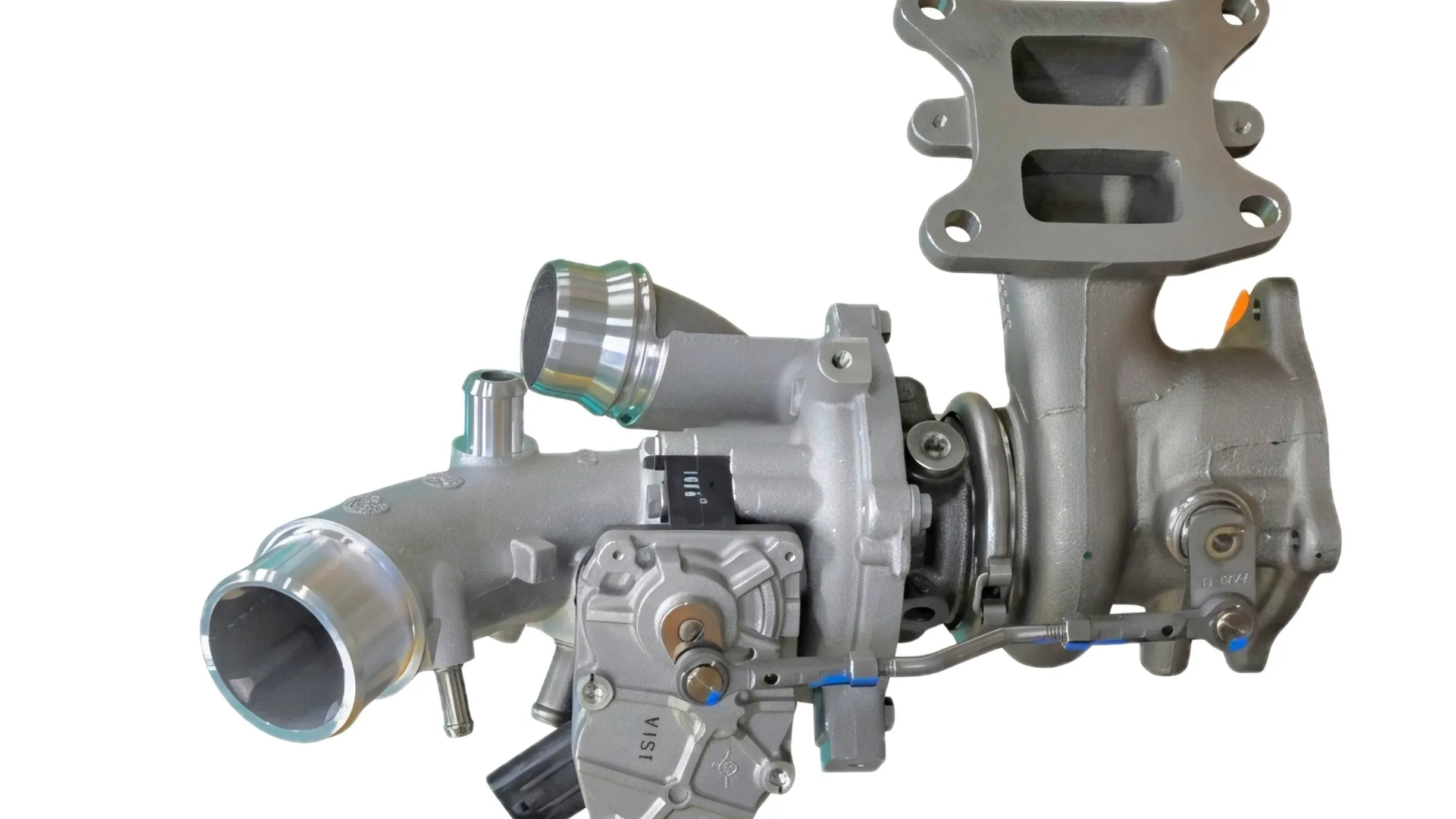
BorgWarner secures three turbocharger contracts with global powertrain leader

BorgWarner has secured three new turbocharger contracts with a global powertrain technology company. The wins comprise one contract for its variable turbine geometry (VTG) turbocharger and two for its wastegate turbocharger. The technologies will be deployed in the customer's light-vehicle gasoline platforms in South America and Europe, with production scheduled to begin in 2027.The VTG turbochargers are designed for gasoline engines operating under demanding conditions and high-boost pressure requirements. They are engineered to support Miller-cycle engines and withstand exhaust temperatures ..

Next Story
Infrastructure Transport

International Digi Yatra Trials Begin at Seven Airports

India has begun trials of Digi Yatra for international passengers at seven airports, allowing eligible Indian passport holders to use facial recognition at selected airport checkpoints. The facility is currently limited to Indian nationals with e-passports travelling on selected international flights operated by Air India and IndiGo. The Civil Aviation Ministry announced the trials on 1 November, with testing scheduled through December 2026. A wider rollout is expected in 2027 after the ministry assesses passenger feedback gathered during the trial period, according to PTI. The system is inten..

Next Story
Infrastructure Transport

Air India Plans More Wide-Body Jets, CEO Signals Profitability Soon

Air India is seeking to expand its order for wide-body aircraft as it works to increase international passenger traffic, chief executive Tewolde Gebremariam said on Tuesday. The Tata Group-owned carrier is also targeting a return to profitability in the near term, as its turnaround programme addresses fleet, network and service challenges. The comments came months after Gebremariam took charge of the airline. Gebremariam, who previously led Ethiopian Airlines, said the airline wanted more wide-body aircraft. Air India has held discussions with Boeing and Airbus while assessing the economics of..

Advertisement

Subscribe to Our Newsletter

Get daily newsletters around different themes from Construction world.

STAY CONNECTED

Advertisement

SPECIAL OFFER
QR Code