Redevelopment to Drive Real Estate Value Creation in Cities: Mt. K Kapital
Real Estate

Redevelopment to Drive Real Estate Value Creation in Cities: Mt. K Kapital

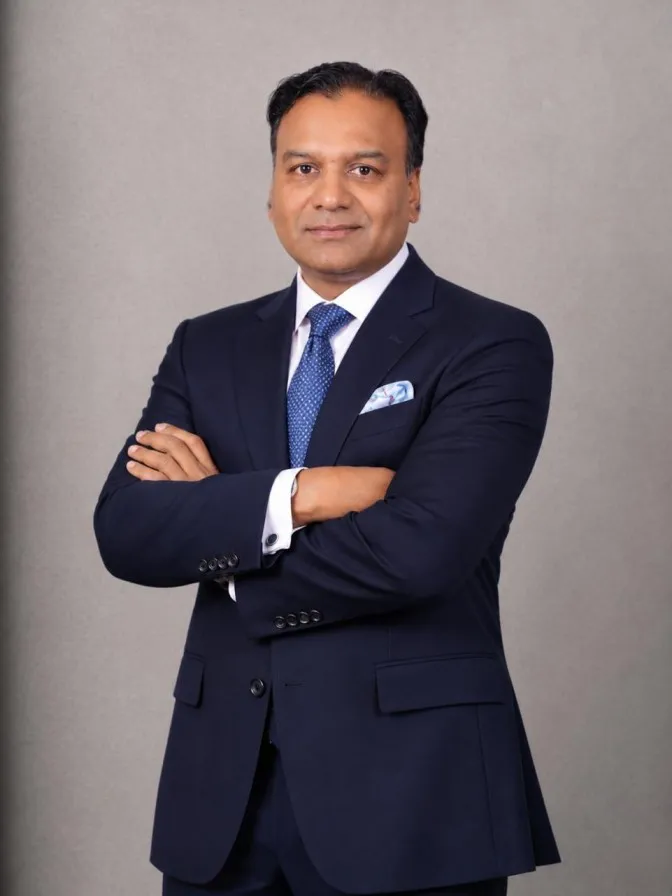
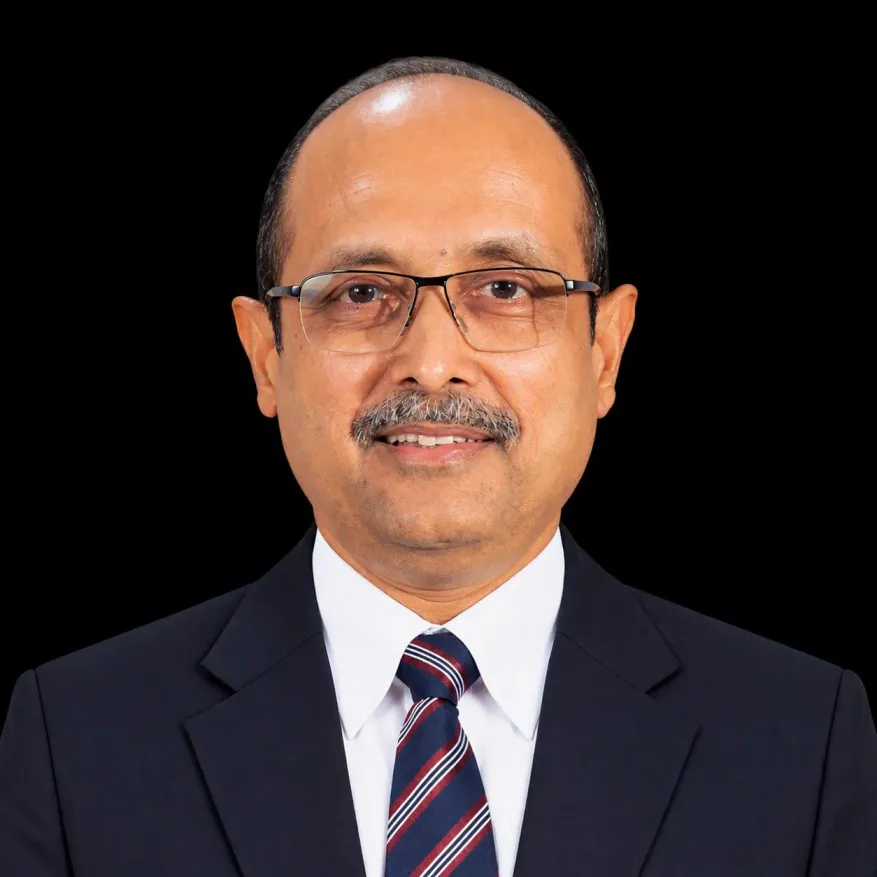
Interview with Binitha Dalal, Founder and Managing Partner, Mt. K Kapital


Mt. K Kapital was founded in 2022 as private credit was gaining traction in India. What market gap did you identify, and how has it evolved since then?
When we started Mt. K Kapital in 2022, we set up the first RE equity fund at a time when private credit funds were gaining strong traction in India. We saw a clear gap between what real estate developers needed and what traditional financing was offering. Developers required flexible, structured capital that understood project cycles, cash flows and execution risks.


Since then, the market has become significantly more institutional. Private credit, AIFs and structured capital are now established parts of the real estate funding ecosystem. Our focus has therefore evolved from simply providing capital to building long-term partnerships with developers and investing in opportunities where we can bring both capital and financial discipline.


With institutional investors becoming more selective, are you seeing a shift from growth-at-any-cost to more disciplined, cash-flow-oriented real estate investing? What does this mean for developers?
Absolutely. The market is shifting from a narrative-driven approach to a far more data-led and evidence-based investment framework. Institutional investors today are far more informed and analytical—they are underwriting opportunities based on hard metrics such as project-level cash flows, absorption rates, pricing trends, leverage ratios, execution timelines and historical performance data, rather than broad growth stories.


For developers, this means that access to capital is increasingly dependent on the ability to demonstrate verifiable performance, disciplined financial structuring and transparent reporting. A strong balance sheet or a compelling project concept alone is no longer sufficient; investors want to see track records, sensitivity analyses and clearly defined exit pathways.

Ultimately, capital is still abundant, but it is now decisively data-driven, selective and outcome-oriented, flowing only to opportunities that demonstrate measurable quality and certainty.


Redevelopment is emerging as a major opportunity in Mumbai and other cities. How is it reshaping real estate investment?
Redevelopment is reshaping how we view real estate value in mature cities. In land-constrained markets like Mumbai, the opportunity is no longer just about acquiring new land, but unlocking value from existing urban stock and ageing housing. For institutional investors, this creates value through better land use, improved design, higher intensity development and strong demand in established micro-markets.


However, it is highly execution-intensive. Title clarity, society approvals, rehabilitation obligations, construction costs and timelines must all be carefully underwritten, as strong-looking projects can quickly lose viability if these risks are not managed.


This is why the next phase of redevelopment will favour patient, structured capital working with credible developers. It requires disciplined underwriting, phased funding and active monitoring rather than a quick-exit approach.


More broadly, redevelopment is becoming a key driver of urban renewal in India, modernising ageing cities while adding supply where new land is scarce.


Family offices and AIFs are growing fast. Will domestic capital become the dominant source of real estate funding in India?
Domestic capital will become an increasingly important pillar of real estate funding, although I don't see it replacing global capital. Family offices, HNIs and domestic institutions are becoming more sophisticated and are increasingly accessing real estate through AIFs, REITs and other structured vehicles. This is strengthening the depth of India's own capital markets.


I see the future as domestic capital becoming an anchor, with global capital continuing to provide scale, diversification and expertise.


REITs and SM-REITs are expanding rapidly and reshaping how real estate is owned and accessed in India. How does this changing structure affect players like Mt. K Kapital, and where do AIFs fit alongside REITs going forward?
I see REITs, SM-REITs and AIFs as complementary rather than competing structures because they serve different investor needs and stages of the real estate lifecycle. REITs are best suited for stabilised, income-generating assets, catering to investors who prioritise transparent ownership, liquidity and steady cash flows. 


AIFs, in contrast, operate further upstream and are designed for larger ticket sizes, making them more suited to institutional investors who have the ability to write significant cheques and the patience to stay invested over longer horizons. They provide development capital, structured credit and growth capital at a stage where assets are still being created, repositioned or scaled precisely the kind of capital that developers increasingly need.


For Mt. K Kapital, this distinction is important. We are not competing with the eventual public-market or yield-oriented ownership structures; rather, we participate earlier in the lifecycle when projects require acquisition, development or structured capital and help create assets that can eventually transition into REIT or SM-REIT platforms.


AI and digitalisation are driving demand for data centres and digital infrastructure. Do you see data centres as a new institutional real estate class? What makes them attractive, and what are the risks?
Data centres have moved beyond being a niche alternative asset and are now emerging as a distinct institutional real estate and digital infrastructure class. Demand is structural, driven by cloud adoption, AI, digital payments, data localisation and rapid digitisation. India’s operational capacity has already crossed ~1.5 GW as of 2025, with Mumbai accounting for over half of this.


From an investment standpoint, they are attractive due to long-term demand visibility, high entry barriers and the potential for stable, contracted cash flows—especially when backed by a credible anchor client, which is critical given the need for utilisation certainty from day one. However, developers also weigh significant opportunity costs, as such land could alternatively be used for residential or commercial projects with faster monetisation cycles, making data centre decisions highly strategic.


The risk profile is distinct: power reliability, grid and fibre connectivity, cooling, water availability, high capex and the risk of overcapacity remain key considerations. Overall, data centres should be viewed as real estate with infrastructure characteristics, where success depends on the alignment of location, power, connectivity, technology, sustainability and operator quality. 


With India's urbanisation accelerating, which structural trends will have the biggest impact on real estate investment over the next decade: urbanisation, infrastructure development, digitalisation, or changing consumer preferences?
I don’t think these trends can be viewed in isolation. They are interconnected, but the most powerful driver is infrastructure-led urbanisation.


In the last decade, Mumbai’s infrastructure has seen strong expansion through metro networks, coastal road, trans-harbour linkages and improved suburban connectivity. This is reshaping how the city grows and making earlier peripheral locations more viable.


Infrastructure changes the geography of opportunity. New transport links and economic corridors are turning fringe areas into new residential and commercial hubs. We are already seeing developers expand beyond traditional micro-markets as new growth corridors emerge.


The second key driver is digitalisation, which is creating new real estate categories such as data centres and logistics infrastructure. The third is changing consumer behaviour. Younger buyers are prioritising connectivity, amenities, sustainability and flexibility, and this will only deepen over the next decade.

The most successful strategies will be those that identify where infrastructure is unlocking new cities, where digitalisation is creating new asset classes, and where consumer demand is evolving. Overall, real estate is shifting from just building space to understanding how cities, people and capital will move in the future.


Interview with Binitha Dalal, Founder and Managing Partner, Mt. K KapitalMt. K Kapital was founded in 2022 as private credit was gaining traction in India. What market gap did you identify, and how has it evolved since then?When we started Mt. K Kapital in 2022, we set up the first RE equity fund at a time when private credit funds were gaining strong traction in India. We saw a clear gap between what real estate developers needed and what traditional financing was offering. Developers required flexible, structured capital that understood project cycles, cash flows and execution risks.Since then, the market has become significantly more institutional. Private credit, AIFs and structured capital are now established parts of the real estate funding ecosystem. Our focus has therefore evolved from simply providing capital to building long-term partnerships with developers and investing in opportunities where we can bring both capital and financial discipline.With institutional investors becoming more selective, are you seeing a shift from growth-at-any-cost to more disciplined, cash-flow-oriented real estate investing? What does this mean for developers?Absolutely. The market is shifting from a narrative-driven approach to a far more data-led and evidence-based investment framework. Institutional investors today are far more informed and analytical—they are underwriting opportunities based on hard metrics such as project-level cash flows, absorption rates, pricing trends, leverage ratios, execution timelines and historical performance data, rather than broad growth stories.For developers, this means that access to capital is increasingly dependent on the ability to demonstrate verifiable performance, disciplined financial structuring and transparent reporting. A strong balance sheet or a compelling project concept alone is no longer sufficient; investors want to see track records, sensitivity analyses and clearly defined exit pathways.Ultimately, capital is still abundant, but it is now decisively data-driven, selective and outcome-oriented, flowing only to opportunities that demonstrate measurable quality and certainty.Redevelopment is emerging as a major opportunity in Mumbai and other cities. How is it reshaping real estate investment?Redevelopment is reshaping how we view real estate value in mature cities. In land-constrained markets like Mumbai, the opportunity is no longer just about acquiring new land, but unlocking value from existing urban stock and ageing housing. For institutional investors, this creates value through better land use, improved design, higher intensity development and strong demand in established micro-markets.However, it is highly execution-intensive. Title clarity, society approvals, rehabilitation obligations, construction costs and timelines must all be carefully underwritten, as strong-looking projects can quickly lose viability if these risks are not managed.This is why the next phase of redevelopment will favour patient, structured capital working with credible developers. It requires disciplined underwriting, phased funding and active monitoring rather than a quick-exit approach.More broadly, redevelopment is becoming a key driver of urban renewal in India, modernising ageing cities while adding supply where new land is scarce.Family offices and AIFs are growing fast. Will domestic capital become the dominant source of real estate funding in India?Domestic capital will become an increasingly important pillar of real estate funding, although I don't see it replacing global capital. Family offices, HNIs and domestic institutions are becoming more sophisticated and are increasingly accessing real estate through AIFs, REITs and other structured vehicles. This is strengthening the depth of India's own capital markets.I see the future as domestic capital becoming an anchor, with global capital continuing to provide scale, diversification and expertise.REITs and SM-REITs are expanding rapidly and reshaping how real estate is owned and accessed in India. How does this changing structure affect players like Mt. K Kapital, and where do AIFs fit alongside REITs going forward?I see REITs, SM-REITs and AIFs as complementary rather than competing structures because they serve different investor needs and stages of the real estate lifecycle. REITs are best suited for stabilised, income-generating assets, catering to investors who prioritise transparent ownership, liquidity and steady cash flows. AIFs, in contrast, operate further upstream and are designed for larger ticket sizes, making them more suited to institutional investors who have the ability to write significant cheques and the patience to stay invested over longer horizons. They provide development capital, structured credit and growth capital at a stage where assets are still being created, repositioned or scaled precisely the kind of capital that developers increasingly need.For Mt. K Kapital, this distinction is important. We are not competing with the eventual public-market or yield-oriented ownership structures; rather, we participate earlier in the lifecycle when projects require acquisition, development or structured capital and help create assets that can eventually transition into REIT or SM-REIT platforms.AI and digitalisation are driving demand for data centres and digital infrastructure. Do you see data centres as a new institutional real estate class? What makes them attractive, and what are the risks?Data centres have moved beyond being a niche alternative asset and are now emerging as a distinct institutional real estate and digital infrastructure class. Demand is structural, driven by cloud adoption, AI, digital payments, data localisation and rapid digitisation. India’s operational capacity has already crossed ~1.5 GW as of 2025, with Mumbai accounting for over half of this.From an investment standpoint, they are attractive due to long-term demand visibility, high entry barriers and the potential for stable, contracted cash flows—especially when backed by a credible anchor client, which is critical given the need for utilisation certainty from day one. However, developers also weigh significant opportunity costs, as such land could alternatively be used for residential or commercial projects with faster monetisation cycles, making data centre decisions highly strategic.The risk profile is distinct: power reliability, grid and fibre connectivity, cooling, water availability, high capex and the risk of overcapacity remain key considerations. Overall, data centres should be viewed as real estate with infrastructure characteristics, where success depends on the alignment of location, power, connectivity, technology, sustainability and operator quality. With India's urbanisation accelerating, which structural trends will have the biggest impact on real estate investment over the next decade: urbanisation, infrastructure development, digitalisation, or changing consumer preferences?I don’t think these trends can be viewed in isolation. They are interconnected, but the most powerful driver is infrastructure-led urbanisation.In the last decade, Mumbai’s infrastructure has seen strong expansion through metro networks, coastal road, trans-harbour linkages and improved suburban connectivity. This is reshaping how the city grows and making earlier peripheral locations more viable.Infrastructure changes the geography of opportunity. New transport links and economic corridors are turning fringe areas into new residential and commercial hubs. We are already seeing developers expand beyond traditional micro-markets as new growth corridors emerge.The second key driver is digitalisation, which is creating new real estate categories such as data centres and logistics infrastructure. The third is changing consumer behaviour. Younger buyers are prioritising connectivity, amenities, sustainability and flexibility, and this will only deepen over the next decade.The most successful strategies will be those that identify where infrastructure is unlocking new cities, where digitalisation is creating new asset classes, and where consumer demand is evolving. Overall, real estate is shifting from just building space to understanding how cities, people and capital will move in the future.

Related Stories

Gold Stories

Next Story
Resources

Kalpataru Projects International elevates Amit Uplenchwar as Joint MD and CEO

Kalpataru Projects International (KPIL) has elevated Amit Uplenchwar as Joint Managing Director and CEO (designate), following approval by its board on 5 November 2026. He will take charge as Additional Director, Joint Managing Director and CEO from 1 January 2027 for a five-year term ending 31 December 2031, subject to shareholders' approval.Uplenchwar brings over three decades of experience in corporate strategy, business operations, business development, mergers and acquisitions, and international business management. His experience spans transportation, power, water, oil and gas, aerospace..

Next Story
Resources

HCC appoints Vivek Singhal as CEO

Hindustan Construction Company (HCC) has appointed Vivek Singhal as Chief Executive Officer, effective 5 November 2026. He brings over four decades of experience in infrastructure and engineering, procurement and construction (EPC), covering project execution, business leadership, business development and profit and loss management.Singhal has spent 16 years in international markets, delivering projects and managing assets worth approximately Rs 285 billion across five countries. His experience spans airports, metro rail, urban transport, hydropower, bridges and other infrastructure sectors.He..

Next Story
Infrastructure Energy

Essar Signs PPA for 300 MW Hybrid Renewable Energy Project

Essar Renewables, the renewable energy arm of Essar Power, has signed a Power Purchase Agreement (PPA) with NHPC for a 300 MW renewable energy project in Andhra Pradesh. The agreement follows the company’s successful bid for the project two years ago. Essar Power will invest approximately Rs. 45 bn in the development. The project will combine solar and wind generation with Battery Energy Storage Systems (BESS), enabling the supply of reliable and dispatchable renewable power. It forms part of Essar Power’s plan to build a diversified energy portfolio of approximately 5 GW across renewable,..

Advertisement

Subscribe to Our Newsletter

Get daily newsletters around different themes from Construction world.

STAY CONNECTED

Advertisement

SPECIAL OFFER
QR Code