



dSPACE Unveils Advanced Validation Technologies in India
Technology

dSPACE Unveils Advanced Validation Technologies in India

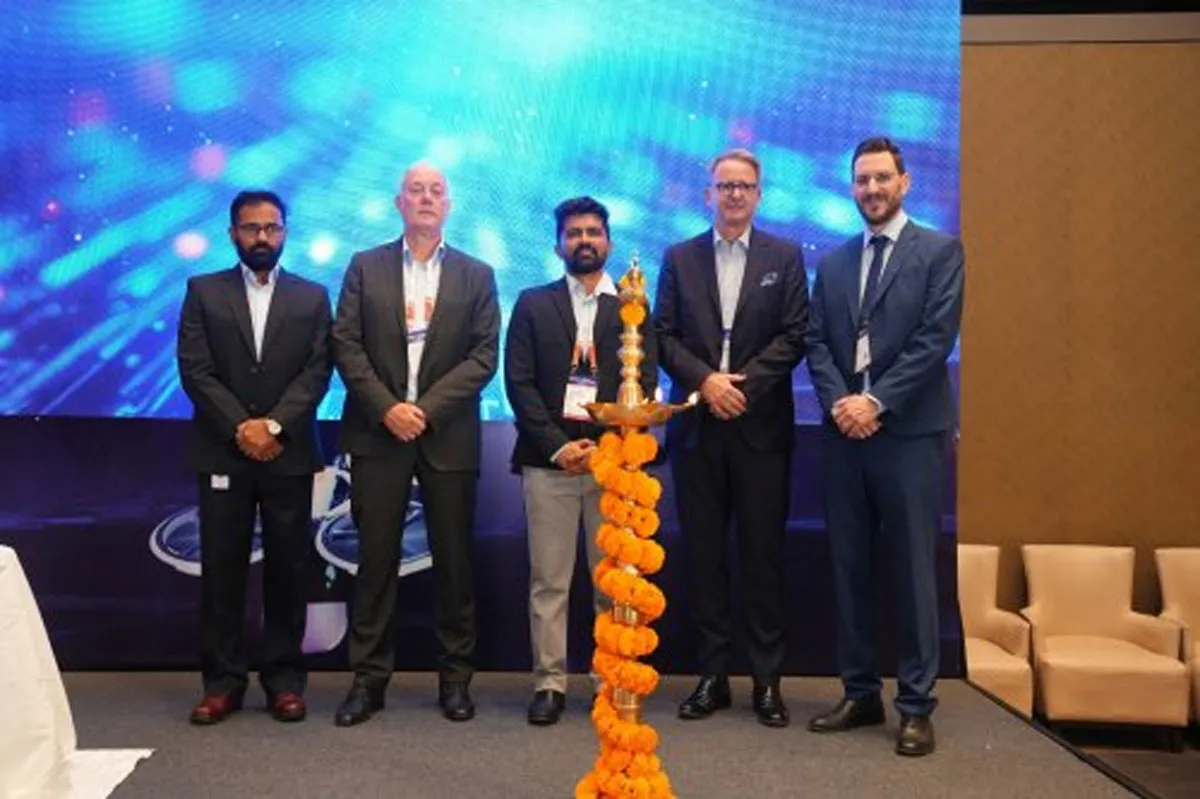
dSPACE showcased its latest simulation and validation technologies at the User Conference India 2026, held on 25 September at Marriott Whitefield, Bengaluru. The event brought together over 500 delegates from automotive and non-automotive original equipment manufacturers (OEMs), suppliers and global engineering companies.

Held under the theme 'Software-defined. Test-verified.', the conference focused on simulation, virtual validation, artificial intelligence (AI) deployment, electronic control unit (ECU) cybersecurity and scalable hardware-in-the-loop (HIL) testing.

The technology showcase featured integrated testing workflows developed through dSPACE's partner ecosystem. Demonstrations included DO-178C certification support using TargetLink, vehicle-to-everything (V2X) simulation, cybersecurity penetration testing and virtual ECU generation using production software.

The company also highlighted growing demand for locally developed testing solutions as India's automotive and engineering sectors expand. According to SIAM, domestic vehicle sales reached 28.3 million units in FY26, registering 10.4 per cent growth, while exports increased by 24 per cent to 6.6 million units.

Among the technologies introduced for the Indian market was Neural Net Coder, which converts trained neural networks into deterministic, standards-compliant C code for safety-critical embedded systems. The solution incorporates post-training optimisation, verification capabilities and early assessments of runtime and memory requirements.

Another technology, dissecto HydraProbe, enables controlled ECU penetration testing within existing HIL systems, supporting cybersecurity assessments throughout the validation lifecycle.

Industry discussions also examined virtual testing for multiple vehicle configurations, aerospace flight-control validation and continuous regression testing for software-defined vehicles.

The conference highlighted the increasing role of simulation-led engineering, integrated testing workflows and indigenous engineering capabilities in accelerating product development and improving system reliability.

dSPACE showcased its latest simulation and validation technologies at the User Conference India 2026, held on 25 September at Marriott Whitefield, Bengaluru. The event brought together over 500 delegates from automotive and non-automotive original equipment manufacturers (OEMs), suppliers and global engineering companies.Held under the theme 'Software-defined. Test-verified.', the conference focused on simulation, virtual validation, artificial intelligence (AI) deployment, electronic control unit (ECU) cybersecurity and scalable hardware-in-the-loop (HIL) testing.The technology showcase featured integrated testing workflows developed through dSPACE's partner ecosystem. Demonstrations included DO-178C certification support using TargetLink, vehicle-to-everything (V2X) simulation, cybersecurity penetration testing and virtual ECU generation using production software.The company also highlighted growing demand for locally developed testing solutions as India's automotive and engineering sectors expand. According to SIAM, domestic vehicle sales reached 28.3 million units in FY26, registering 10.4 per cent growth, while exports increased by 24 per cent to 6.6 million units.Among the technologies introduced for the Indian market was Neural Net Coder, which converts trained neural networks into deterministic, standards-compliant C code for safety-critical embedded systems. The solution incorporates post-training optimisation, verification capabilities and early assessments of runtime and memory requirements.Another technology, dissecto HydraProbe, enables controlled ECU penetration testing within existing HIL systems, supporting cybersecurity assessments throughout the validation lifecycle.Industry discussions also examined virtual testing for multiple vehicle configurations, aerospace flight-control validation and continuous regression testing for software-defined vehicles.The conference highlighted the increasing role of simulation-led engineering, integrated testing workflows and indigenous engineering capabilities in accelerating product development and improving system reliability.

Related Stories

Gold Stories

Next Story
Infrastructure Urban

DIDAC Skills 2026 to Address India's Growing Workforce Skill Gap

India's manufacturing and services sectors are projected to generate over 350 million jobs by 2030, according to estimates cited from Sector Skill Councils and industry bodies. The anticipated growth highlights the need for accelerated skill development, practical training and stronger collaboration between industry and educational institutions.The automotive sector is expected to generate 2–2.5 million direct jobs by 2030, according to NITI Aayog. The logistics industry will require an additional 4.7 million skilled workers, while telecommunications could create one million jobs. India's cl..
Next Story
Equipment

Finlay Launches Elektro Hybrid Crushing Equipment in India

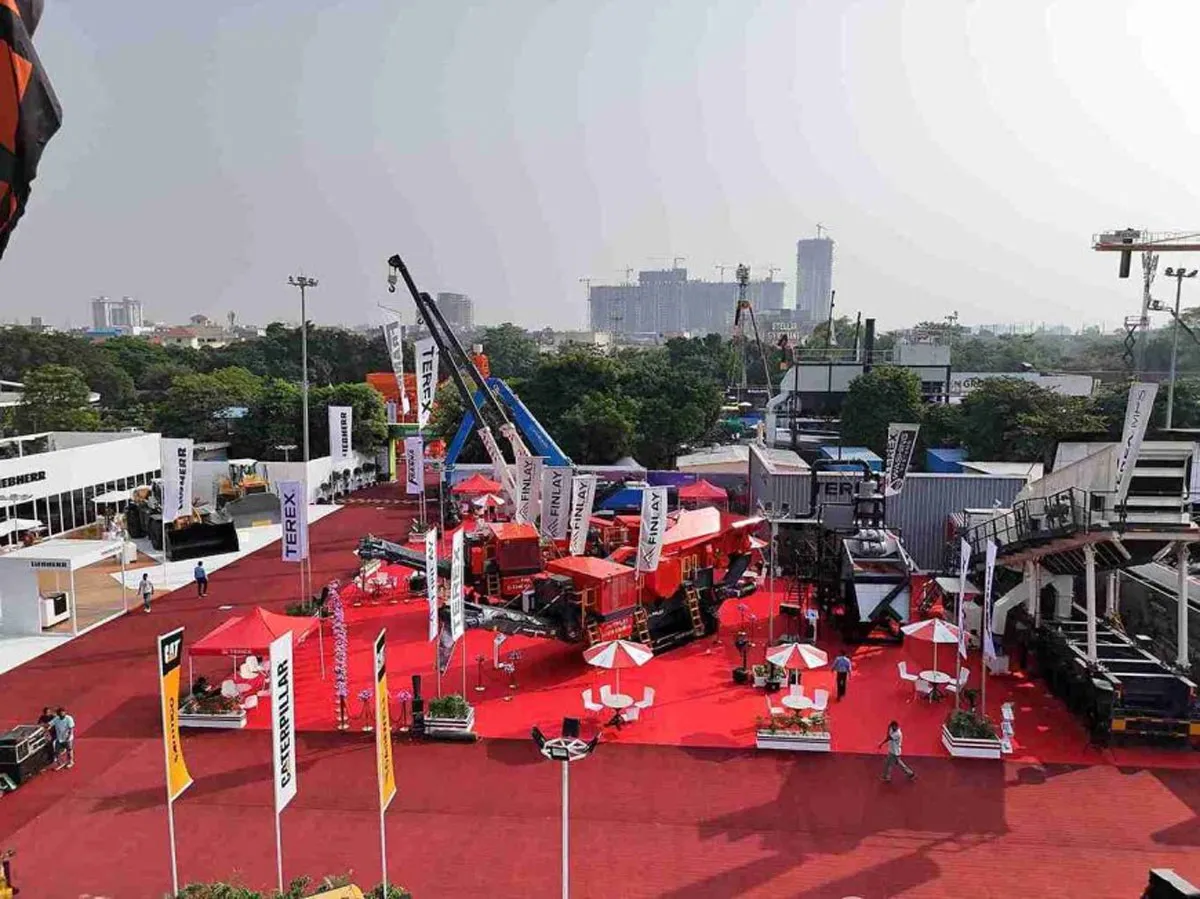
Finlay, a global manufacturer of mobile crushing, screening and conveying equipment, has introduced its Elektro range of tracked hybrid crushing equipment in India. Developed and manufactured by Terex India at its Hosur facility, the range was officially unveiled at bauma CONEXPO INDIA 2026.The new range initially comprises two models, the J-1170 Elektro jaw crusher and the C-1540 Elektro cone crusher. Both machines feature diesel-electric technology, allowing operation through mains electricity or an onboard diesel-powered generator. The hybrid configuration aims to reduce fuel consumption, m..
Next Story
Infrastructure Urban

Sagar Defence to Unveil Autonomous Marine Vehicle at Swavlamban

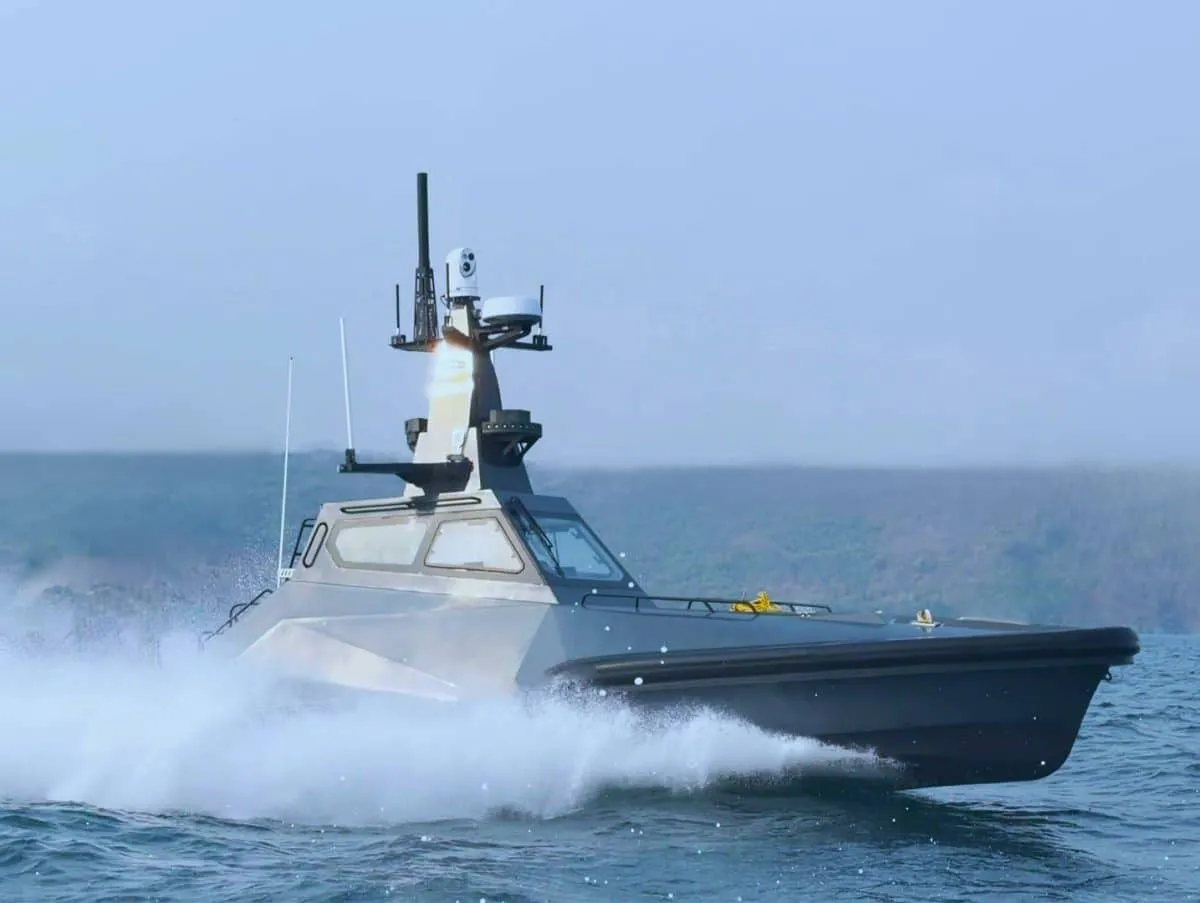
Sagar Defence Engineering Limited (SDE) has announced plans to unveil its indigenously developed Autonomous Unmanned Marine Surface Vehicle at the Indian Navy's Swavlamban 2026, scheduled for 26–27 October 2026 at the Manekshaw Centre in New Delhi.Developed under the Innovations for Defence Excellence (iDEX) initiative, the unmanned surface vehicle is designed to advance autonomous maritime operations and support emerging naval requirements. The project focuses on coordinated autonomous technologies and maritime swarming capabilities, highlighting India's growing expertise in indigenous defe..

Advertisement

Subscribe to Our Newsletter

Get daily newsletters around different themes from Construction world.

STAY CONNECTED

Advertisement

SPECIAL OFFER
QR Code