


Marriott introduces AI-based design platform
Technology

Marriott introduces AI-based design platform

Marriott International Inc recently introduced a design package that includes the use of artificial intelligence (AI) for hotels in its select service brand portfolio being designed and constructed. The platform leverages a building information modelling (BIM) platform.

A first to be piloted in Asia Pacific, Marriott's latest solution will supposedly be more efficient and streamline the design process for owners, with increased speed-to-market while maintaining cost control, at the same time.

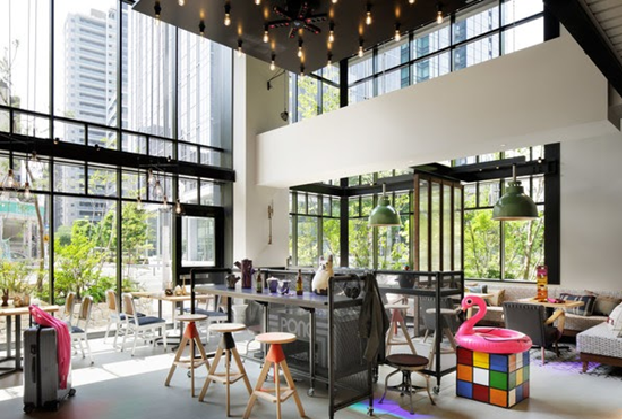
The Moxy Osaka Shin Umeda in Osaka, Japan, is one such hotel that has successfully utilised Marriott’s proprietary BIM platform.

Streamlining the design process

The newly introduced solutions provide an intelligent Cloud and 3D reference throughout the life cycle of a project, from early planning through design development to construction and operations. BIM prototypes can create an entire virtual hotel in days, instead of the months normally required. The flexibility of BIM allows design guidelines to be built right into the platform. Customisations to guest rooms such as room size and furniture layouts are editable, with the rest of the design process automatically recalibrated to incorporate any type of changes, greatly improving coordination and workflow amongst the many stakeholders involved in the design process.

Fly-through 3D VR tours

Using BIM technology and prototyping, high-resolution 3D virtual reality (VR) environments can be created faster than any other technology currently available. Another advantage of using BIM technology is virtual 'fly-through' tours of a proposed hotel, with visualisations of every design element shown in detail. This allows hotel owners to view in real time their entire hotel without having to wait for manual design renderings or construction.

In 2020 alone, more than 50% of new hotel deals signed were in the Marriott select service brand category, underscoring the strong demand from owners for this segment that caters to mid-market consumers. The introduction of Marriott's latest proprietary solution is expected to continue to drive interest for this brand category given shorter design project cycles.

Written from a company news release.

Marriott International Inc recently introduced a design package that includes the use of artificial intelligence (AI) for hotels in its select service brand portfolio being designed and constructed. The platform leverages a building information modelling (BIM) platform. A first to be piloted in Asia Pacific, Marriott's latest solution will supposedly be more efficient and streamline the design process for owners, with increased speed-to-market while maintaining cost control, at the same time. The Moxy Osaka Shin Umeda in Osaka, Japan, is one such hotel that has successfully utilised Marriott’s proprietary BIM platform. Streamlining the design process The newly introduced solutions provide an intelligent Cloud and 3D reference throughout the life cycle of a project, from early planning through design development to construction and operations. BIM prototypes can create an entire virtual hotel in days, instead of the months normally required. The flexibility of BIM allows design guidelines to be built right into the platform. Customisations to guest rooms such as room size and furniture layouts are editable, with the rest of the design process automatically recalibrated to incorporate any type of changes, greatly improving coordination and workflow amongst the many stakeholders involved in the design process. Fly-through 3D VR tours Using BIM technology and prototyping, high-resolution 3D virtual reality (VR) environments can be created faster than any other technology currently available. Another advantage of using BIM technology is virtual 'fly-through' tours of a proposed hotel, with visualisations of every design element shown in detail. This allows hotel owners to view in real time their entire hotel without having to wait for manual design renderings or construction. In 2020 alone, more than 50% of new hotel deals signed were in the Marriott select service brand category, underscoring the strong demand from owners for this segment that caters to mid-market consumers. The introduction of Marriott's latest proprietary solution is expected to continue to drive interest for this brand category given shorter design project cycles. Written from a company news release.

Related Stories

Gold Stories

Next Story
Infrastructure Urban

KONE Opens India's First Digital Experience Centre in Pune

KONE, a global elevator and escalator manufacturer, has inaugurated its first Digital Experience Centre (DEC) in India, located in Pune. The facility aims to showcase how artificial intelligence (AI), connectivity and data-driven technologies can enhance customer experiences and improve building operations.The centre was inaugurated by Jussi Herlin, Executive Vice Chair, KONE Corporation; Philippe Delorme, President and CEO, KONE; and Nandan Nilekani, Co-founder and Chairman of the Board, Infosys.Designed as an interactive customer environment, the facility demonstrates digital solutions cover..

Next Story
Infrastructure Urban

CII GreenCo Launches Circularity Guidelines for Indian Industry

The Confederation of Indian Industry (CII) GreenCo Council has launched the CII GreenCo Circularity Guidelines – Pilot Version at the 17th CII GreenCo Waste & Resource Management Summit 2026 in Chennai. The initiative aims to strengthen resource efficiency, waste reduction and circular economy practices across Indian manufacturing and process industries.The guidelines introduce a structured framework with circularity indices covering raw materials, consumables, packaging and other resource inputs. These indicators will help industries assess existing practices, identify opportunities to ..

Next Story
Infrastructure Energy

Global Electronics Association Launches IPC-1783-CO2E Standard

The Global Electronics Association has introduced IPC-1783-CO2E, a new international standard aimed at improving consistency, transparency and comparability in product carbon footprint reporting across the electronics manufacturing industry.The standard, titled International Standard for Data Collection and Reporting of CO2 Equivalent (CO2e) Emissions for the Electronics Manufacturing Supply Chain, provides industry-specific guidance for collecting, estimating and reporting carbon emissions data.With increasing regulatory requirements and customer expectations, electronics manufacturers face c..

Advertisement

Subscribe to Our Newsletter

Get daily newsletters around different themes from Construction world.

STAY CONNECTED

Advertisement

SPECIAL OFFER
QR Code