MeitY aims to train 85,000 engineers on chip design in next 5 years
Technology

MeitY aims to train 85,000 engineers on chip design in next 5 years

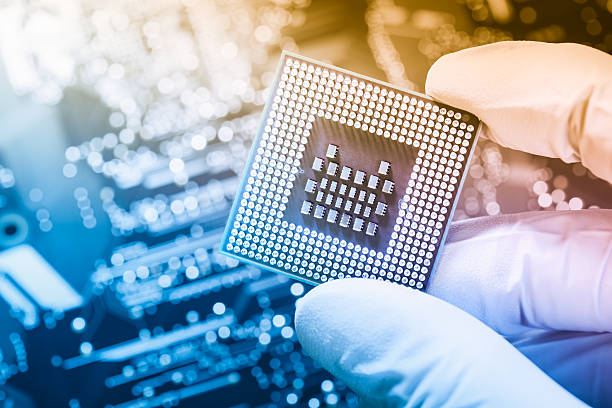
The Ministry of Electronics and Information Technology (MeitY) seeks to train more than 85,000 engineers on chip design by expanding the infrastructure available for the technology to 120 academic institutions across India in the next 5 years.

Under a special manpower development programme for Chips to System Design (SMDP-C2SD), the MeitY had accomplished a pilot deployment in 2021. A centralised design unit at the state-run Centre for Development of Advanced Computing (C-DAC) was enabled for remote access by over 50,000 engineering students for designing chips at 60 academic institutions.

Meity now aims to make accessible a centralised chip design infrastructure to be made available at the India Chip Centre setup at C-DAC to train over 85000 B Tech, M Tech, and Ph.D. students at 120 institutions across India in the chip design area for the following 5 years.

For making available the chip design infrastructure at the India Chip Centre of C-DAC, leading industry vendors from Electronic Design Automation (EDA), Electronic Computer-Aided Design (ECAD), IP Core, and the Design solutions Industry are being collaborated.

Specific joint arrangements are being made available with Synopsys, Siemens EDA, Silvaco Cadence Design Systems, and other top tool vendors, IP & design solution providers, and Fab aggregators.

As SemiconIndia 2022 ended successfully last week, most of the global semiconductor leaders like Intel, Micron, Qualcomm, LAM Research, etc not only stressed the contribution of their Indian research and development centres, which are now the biggest centres out of their headquarters locations but also recognised the semiconductor design strength in India, which now makes up for 20% of the world’s engineers.

At the Semicon India conference, Electronics and IT minister Ashwini Vaishnaw emphasised that India’s democracy and talent pool sets it apart from other nations fighting for chip sovereignty.

Image Source

Also read: Vedanta Ltd in a race to become India's first chip maker

"Join industry leaders at RAHSTA Expo, India's premier platform for roads, highways and traffic infrastructure. Register now to explore innovations, network with experts and shape the future of mobility."

The Ministry of Electronics and Information Technology (MeitY) seeks to train more than 85,000 engineers on chip design by expanding the infrastructure available for the technology to 120 academic institutions across India in the next 5 years. Under a special manpower development programme for Chips to System Design (SMDP-C2SD), the MeitY had accomplished a pilot deployment in 2021. A centralised design unit at the state-run Centre for Development of Advanced Computing (C-DAC) was enabled for remote access by over 50,000 engineering students for designing chips at 60 academic institutions. Meity now aims to make accessible a centralised chip design infrastructure to be made available at the India Chip Centre setup at C-DAC to train over 85000 B Tech, M Tech, and Ph.D. students at 120 institutions across India in the chip design area for the following 5 years. For making available the chip design infrastructure at the India Chip Centre of C-DAC, leading industry vendors from Electronic Design Automation (EDA), Electronic Computer-Aided Design (ECAD), IP Core, and the Design solutions Industry are being collaborated. Specific joint arrangements are being made available with Synopsys, Siemens EDA, Silvaco Cadence Design Systems, and other top tool vendors, IP & design solution providers, and Fab aggregators. As SemiconIndia 2022 ended successfully last week, most of the global semiconductor leaders like Intel, Micron, Qualcomm, LAM Research, etc not only stressed the contribution of their Indian research and development centres, which are now the biggest centres out of their headquarters locations but also recognised the semiconductor design strength in India, which now makes up for 20% of the world’s engineers. At the Semicon India conference, Electronics and IT minister Ashwini Vaishnaw emphasised that India’s democracy and talent pool sets it apart from other nations fighting for chip sovereignty. Image Source Also read: Vedanta Ltd in a race to become India's first chip maker

Next Story
Infrastructure Energy

Centre Prioritising Energy Security With Coal Gasification

Union minister for Coal and Mines G Kishan Reddy said the Centre is prioritising energy security through a strategic shift to coal gasification and has announced incentives totalling Rs 460 billion (bn) to support the effort. He said more than 35 companies will start coal gasification activities in India within two months and that the government is encouraging firms that bring technology to close the domestic technology gap. The minister described the initiative as aimed at reducing import dependence and developing indigenous capacity. India has the fifth-largest coal reserve in the world, and..

Next Story
Infrastructure Urban

BHEL and Coal India Invest Rs 250 bn in Odisha Gasification

Bharat Heavy Electricals (BHEL) and Coal India (CIL) are jointly investing Rs 250 billion in a coal gasification project in Odisha, with the Prime Minister laying the foundation stone in Jharsuguda. Union Coal and Mines Minister G Kishan Reddy described the initiative as a transformative shift in coal utilisation that will open industrial avenues for the state. The project moves coal beyond conventional power generation to industrial feedstocks. Coal gasification will convert coal into synthesis gas, a versatile feedstock for chemicals, fertilisers and synthetic fuels, and the technology is ex..

Next Story
Infrastructure Energy

BCCL Hands Over Dugdha Coal Washery To JSW Steel

Bharat Coking Coal has handed over the Dugdha Coal Washery to JSW Steel, marking the first coal washery asset monetisation under the Ministry of Coal's asset monetisation programme. The handover took place in the presence of senior officials from Bharat Coking Coal Ltd, JSW Steel and JSW Energy. The washery has a capacity of two million tonnes per annum (mn t per annum), and its transfer is intended to introduce private sector practices into coal beneficiation operations. The monetisation is aimed at modernising coal sector assets, improving operational efficiency and enhancing resource utilis..

Advertisement

Subscribe to Our Newsletter

Get daily newsletters around different themes from Construction world.

STAY CONNECTED

Advertisement

Advertisement

Advertisement