Tata and Intel Form Alliance to Build India’s Chip Ecosystem
Technology

Tata and Intel Form Alliance to Build India’s Chip Ecosystem

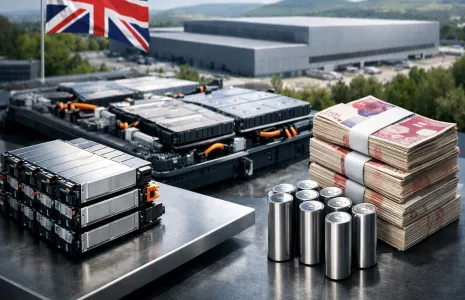
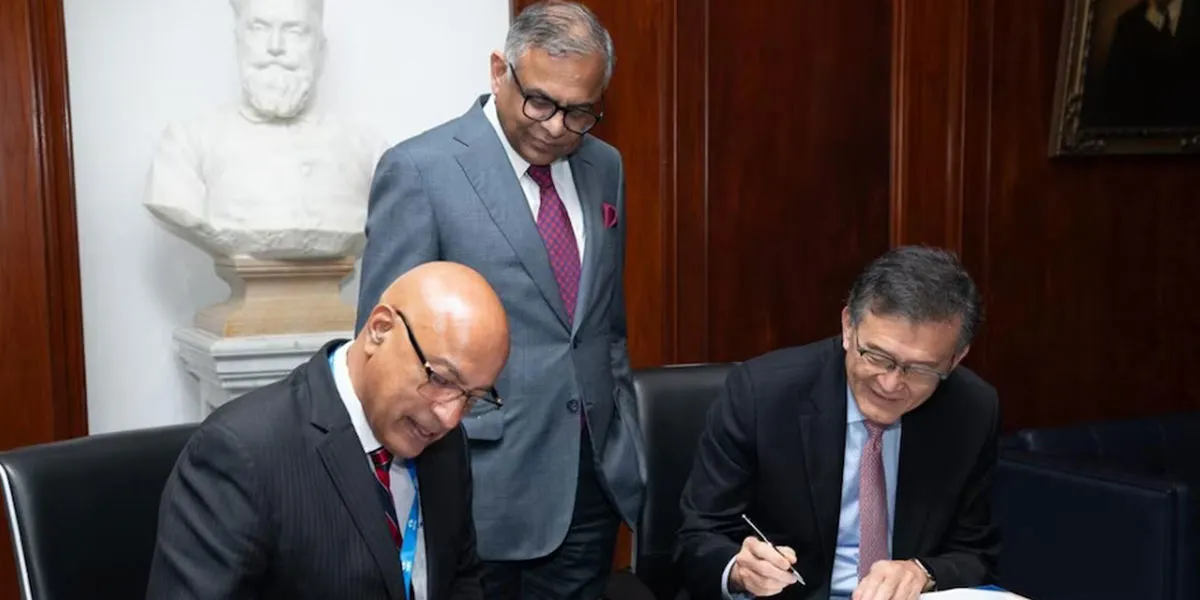
The Tata Group and Intel Corporation have entered a major strategic alliance to accelerate the growth of India’s semiconductor and compute ecosystem. Formalised through a Memorandum of Understanding on 8 December 2025, the partnership aims to support the creation of a “geo-resilient electronics and semiconductor supply chain” within the country.

The collaboration will explore joint initiatives in consumer and enterprise hardware enablement, as well as semiconductor and systems manufacturing and packaging. Intel and Tata intend to examine opportunities for manufacturing and packaging Intel products for the domestic market at Tata Electronics’ upcoming Fab and OSAT (Outsourced Semiconductor Assembly and Test) facilities. The companies will also evaluate avenues for advanced semiconductor packaging in India.

Another focus area will be scaling AI-enabled PC solutions tailored to the Indian market, which is expected to become one of the world’s top five by 2030. This effort will draw on Intel’s AI compute reference designs and Tata Electronics’ Electronics Manufacturing Services capabilities.

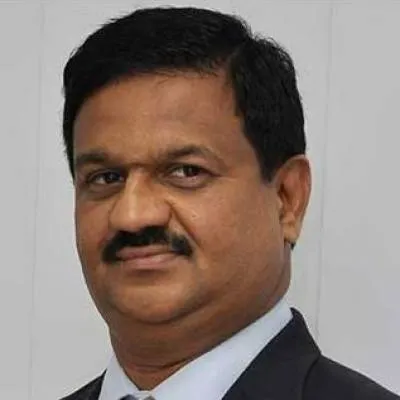
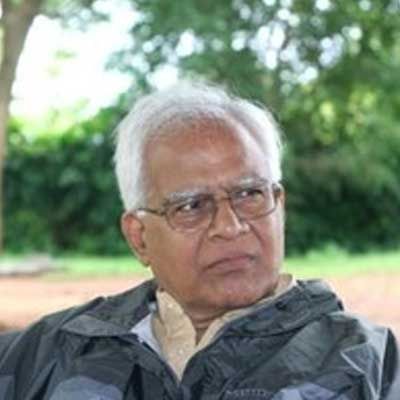
N Chandrasekaran, Chairman of Tata Sons, underlined the significance of the partnership, noting that Tata is committed to building a strong semiconductor industry in India. He said the alliance with Intel would accelerate progress, strengthen the domestic technology ecosystem and position the companies to capture the expanding AI opportunity.

Intel CEO Lip-Bu Tan highlighted India’s rapid growth in compute demand, adding that the collaboration represents a major opportunity to scale in one of the world’s fastest-growing markets. He said rising PC adoption and strong AI uptake make India a key focus for Intel’s global ambitions.

Dr Randhir Thakur, CEO and Managing Director of Tata Electronics, said the MoU aligns closely with the company’s roadmap across EMS, OSAT and semiconductor fabrication. He added that the partnership would help establish a reliable and resilient supply chain in India, driving greater cost competitiveness and faster time-to-market for next-generation AI compute solutions.

The Tata Group and Intel Corporation have entered a major strategic alliance to accelerate the growth of India’s semiconductor and compute ecosystem. Formalised through a Memorandum of Understanding on 8 December 2025, the partnership aims to support the creation of a “geo-resilient electronics and semiconductor supply chain” within the country. The collaboration will explore joint initiatives in consumer and enterprise hardware enablement, as well as semiconductor and systems manufacturing and packaging. Intel and Tata intend to examine opportunities for manufacturing and packaging Intel products for the domestic market at Tata Electronics’ upcoming Fab and OSAT (Outsourced Semiconductor Assembly and Test) facilities. The companies will also evaluate avenues for advanced semiconductor packaging in India. Another focus area will be scaling AI-enabled PC solutions tailored to the Indian market, which is expected to become one of the world’s top five by 2030. This effort will draw on Intel’s AI compute reference designs and Tata Electronics’ Electronics Manufacturing Services capabilities. N Chandrasekaran, Chairman of Tata Sons, underlined the significance of the partnership, noting that Tata is committed to building a strong semiconductor industry in India. He said the alliance with Intel would accelerate progress, strengthen the domestic technology ecosystem and position the companies to capture the expanding AI opportunity. Intel CEO Lip-Bu Tan highlighted India’s rapid growth in compute demand, adding that the collaboration represents a major opportunity to scale in one of the world’s fastest-growing markets. He said rising PC adoption and strong AI uptake make India a key focus for Intel’s global ambitions. Dr Randhir Thakur, CEO and Managing Director of Tata Electronics, said the MoU aligns closely with the company’s roadmap across EMS, OSAT and semiconductor fabrication. He added that the partnership would help establish a reliable and resilient supply chain in India, driving greater cost competitiveness and faster time-to-market for next-generation AI compute solutions.

Next Story
Infrastructure Urban

Powerplay Rolls Out Procurement-Linked Credit for Contractors

Powerplay has announced the launch of Powerplay Credit, a project-linked working capital solution aimed at easing cash flow pressures faced by contractors during active construction execution. The solution has gone live across key markets in South India, with a wider national rollout planned for 2026.The launch comes amid rising activity in India’s construction sector across infrastructure, housing, industrial corridors, renewable energy and urban redevelopment. Contractors executing large corporate and government projects often face extended payment cycles, stage-based billing and delayed r..

Next Story
Infrastructure Urban

Jyoti Structures Commissions Galvanisation at Second Nashik Unit

Jyoti Structures has commissioned galvanisation operations at its second tower manufacturing unit in Nashik, strengthening its in-house capabilities across critical stages of power transmission infrastructure production. The listed Engineering, Procurement and Construction (EPC) company operates globally and has delivered projects for customers across more than 50 countries.The second Nashik unit, with an annual manufacturing capacity of 36,000 metric tonnes, has become operational following the completion of installation, testing and readiness of the new galvanising facilities. With this deve..

Next Story
Infrastructure Energy

Rosatom Connects First Kursk NPP-2 Unit to National Grid

Rosatom has launched the first power unit of the Kursk Nuclear Power Plant-2 (Kursk NPP-2) into Russia’s Unified Energy System, marking a key milestone in the country’s nuclear energy programme. The initial grid connection took place at the end of the year, bringing a new source of low-carbon electricity online for the Kursk region and the broader Central Energy System.The newly commissioned unit is the first implementation of the VVER-TOI reactor design, which incorporates advanced safety and performance features. With an installed capacity of 1,250 MW, it is the most powerful nuclear pow..

Advertisement

Subscribe to Our Newsletter

Get daily newsletters around different themes from Construction world.

STAY CONNECTED

Advertisement

Advertisement

Advertisement

Advertisement

Open In App