+
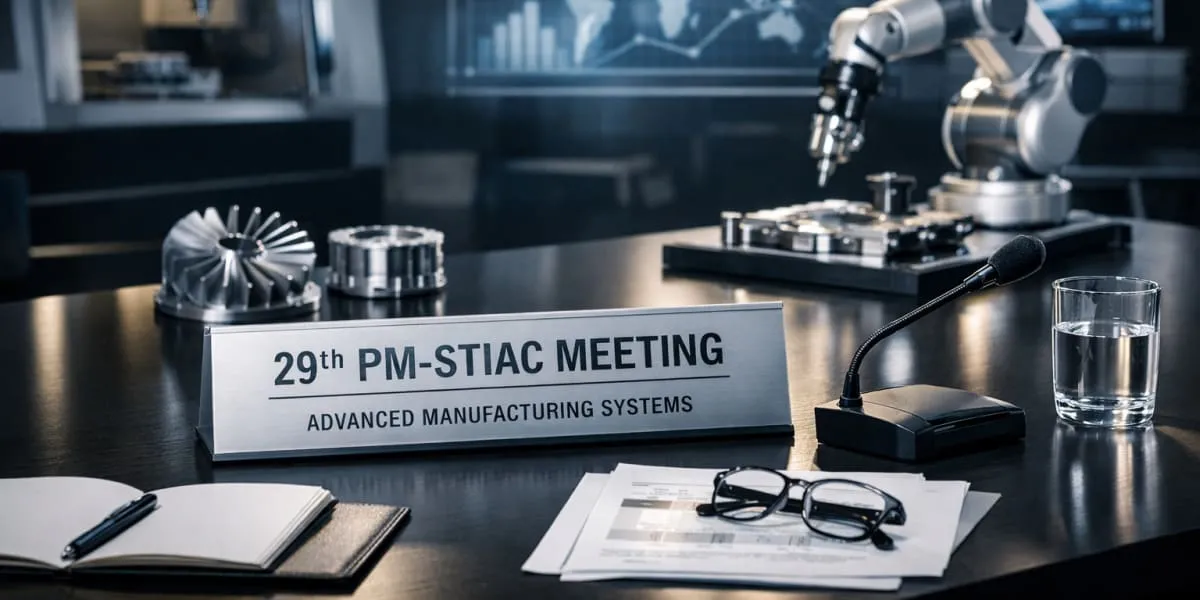
29th PM-STIAC Meeting On Advanced Manufacturing Systems
ECONOMY & POLICY

29th PM-STIAC Meeting On Advanced Manufacturing Systems

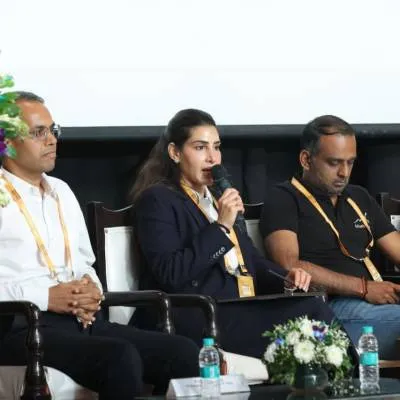
The Prime Minister’s Science, Technology and Innovation Advisory Council (PM-STIAC) held its 29th meeting on ten March 2026 at Kartavya Bhawan Three in New Delhi, chaired by Professor Ajay Kumar Sood of the Office of the Principal Scientific Adviser. The council convened to deliberate on advanced manufacturing systems as central to economic growth, competitiveness and strategic autonomy. The session set out to frame strategic guidance aimed at shifting India from being primarily an importer of advanced manufacturing technologies to becoming a designer, developer and producer of these systems.

Participants included senior PM-STIAC members, officials from the Office of the Principal Scientific Adviser, and secretaries and chiefs from ministries and research organisations, together with industry leaders and academic representatives. The Central Manufacturing Technology Institute (CMTI), the Department of Science and Technology, the Ministry of Heavy Industries and the Department of Space were represented among others, and specialised manufacturers and robotics firms attended. Presentations and interventions emphasised the need for coordinated action across ministries, research institutions and industry to strengthen the ecosystem.

Speakers highlighted that advanced manufacturing systems encompass high precision machine tools, CNC control systems, robotics, additive manufacturing and testing and metrology infrastructure and underlined the prevailing dependence on imported subsystems and platforms. Digital engineering tools such as product lifecycle management and multidisciplinary design optimisation were identified as critical enablers that require deeper domestic development and adoption. The meeting reviewed thematic work on machine tool control systems and aggregates, industrial robotics and automation, and advanced additive manufacturing.

Recommendations focused on a mission oriented programme with clear targets for localisation, robotics adoption and domestic value addition, backed by shared national infrastructure, standards and certification frameworks and specialised skill development. A national database or repository of capabilities, facilities and expertise was proposed to map strengths and gaps and support deployment at commercial scale. As a way forward stakeholders were asked to jointly prepare, within three months, a practical action plan outlining scope, institutional architecture and funding requirements for a coherent national mission on advanced manufacturing systems.

The Prime Minister’s Science, Technology and Innovation Advisory Council (PM-STIAC) held its 29th meeting on ten March 2026 at Kartavya Bhawan Three in New Delhi, chaired by Professor Ajay Kumar Sood of the Office of the Principal Scientific Adviser. The council convened to deliberate on advanced manufacturing systems as central to economic growth, competitiveness and strategic autonomy. The session set out to frame strategic guidance aimed at shifting India from being primarily an importer of advanced manufacturing technologies to becoming a designer, developer and producer of these systems. Participants included senior PM-STIAC members, officials from the Office of the Principal Scientific Adviser, and secretaries and chiefs from ministries and research organisations, together with industry leaders and academic representatives. The Central Manufacturing Technology Institute (CMTI), the Department of Science and Technology, the Ministry of Heavy Industries and the Department of Space were represented among others, and specialised manufacturers and robotics firms attended. Presentations and interventions emphasised the need for coordinated action across ministries, research institutions and industry to strengthen the ecosystem. Speakers highlighted that advanced manufacturing systems encompass high precision machine tools, CNC control systems, robotics, additive manufacturing and testing and metrology infrastructure and underlined the prevailing dependence on imported subsystems and platforms. Digital engineering tools such as product lifecycle management and multidisciplinary design optimisation were identified as critical enablers that require deeper domestic development and adoption. The meeting reviewed thematic work on machine tool control systems and aggregates, industrial robotics and automation, and advanced additive manufacturing. Recommendations focused on a mission oriented programme with clear targets for localisation, robotics adoption and domestic value addition, backed by shared national infrastructure, standards and certification frameworks and specialised skill development. A national database or repository of capabilities, facilities and expertise was proposed to map strengths and gaps and support deployment at commercial scale. As a way forward stakeholders were asked to jointly prepare, within three months, a practical action plan outlining scope, institutional architecture and funding requirements for a coherent national mission on advanced manufacturing systems.

Next Story
Infrastructure Urban

Implementation Status of Jal Jeevan Mission

Since August 2019 the Government has implemented Jal Jeevan Mission to provide assured potable water through household tap connections in rural India. At the start of the mission only 32.3 million (mn) rural households, representing 16.7 per cent, were reported to have tap water connections. States and union territories have reported that 125.8 mn additional rural households have since been provided with tap connections. As a result, of about 193.6 mn rural households roughly 158.2 mn, or 81.71 per cent, are reported to have tap water supply at home.\n\nThe State, district and village level st..

Next Story
Infrastructure Urban

Jal Jeevan Mission Reaches Eighty One Per Cent Rural Coverage

The Government reported substantial progress under the Jal Jeevan Mission, launched in August 2019 to provide tap water to every rural household. At launch only 32.3 million (mn) rural households had tap connections and states and Union territories reported provision of 125.8 mn additional households by March 2026. Consequently, out of about 193.6 mn rural households around 158.2 mn, or 81.71 per cent, are reported to have tap water at home. The Finance Minister announced extension of the mission until 2028 in the 2025-26 budget speech. The Swachh Bharat Mission Grameen, launched in October 20..

Next Story
Infrastructure Urban

Empowering Local Governance for Sustainable Rural Water Supply

The Ministry of Jal Shakti has aligned the Jal Jeevan Mission (JJM) with the 73rd Amendment to strengthen village level planning and community ownership of water supply. Gram Panchayats, village water and sanitation committees and Pani Samitis are to plan, implement, manage and maintain piped water systems, with gram sabha processes formalising handover and oversight. Implementation support agencies including non government organisations, community based organisations and self help groups have been empanelled to train local committees and promote women participation. Under JJM, the department ..

Advertisement

Subscribe to Our Newsletter

Get daily newsletters around different themes from Construction world.

STAY CONNECTED

Advertisement

Advertisement

Advertisement