Agricultural Solarisation Offers 116 GW Opportunity for Solar Makers
ECONOMY & POLICY

Agricultural Solarisation Offers 116 GW Opportunity for Solar Makers

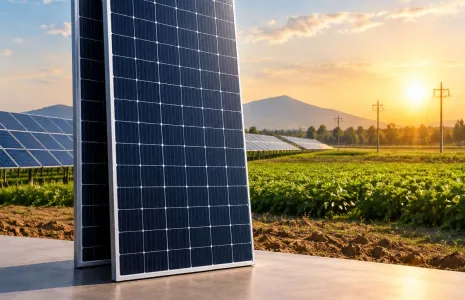
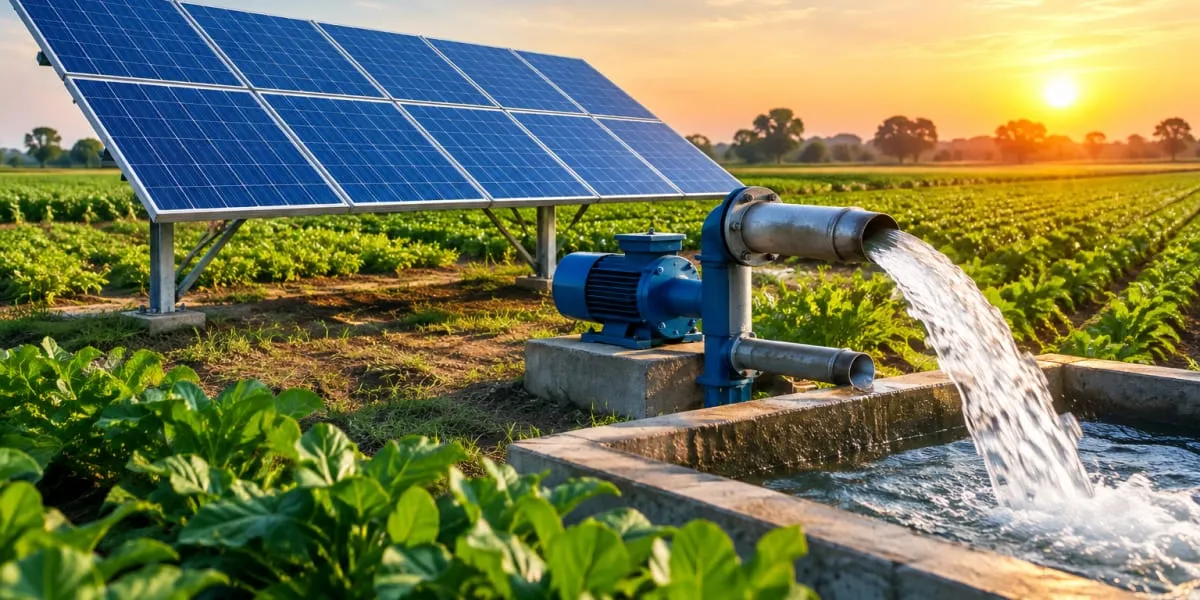
India’s agricultural sector could generate demand for an additional 116 GW of solar modules, creating a major opportunity for domestic manufacturers and supporting the expansion of the country’s solar manufacturing ecosystem, according to a report by the Indian Solar Manufacturers Association (ISMA). The report was launched at the Bharat RE Summit.

The report estimated that grid-connected irrigation pumps could account for 100 GW of demand, while diesel-powered pumps could contribute a further 16 GW. The estimate excludes diesel pumps located in groundwater-stressed areas. India has nearly 23,000,000 irrigation pumps, making agricultural solarisation a substantial potential market for locally produced modules and cells.

The Pradhan Mantri Kisan Urja Suraksha evam Utthaan Mahabhiyan (PM-KUSUM) scheme added a record 7.6 GW of solar capacity in FY 2025–26, the report said. More than 2,800,000 irrigation pumps had been solarised by July 2026. It highlighted the Domestic Content Requirement (DCR) under Components B and C as an important support for Indian manufacturers.

By October 2026, 13.8 GW of capacity had been installed under the two components, meeting nearly two-thirds of the 20.8 GW domestic manufacturing demand originally projected. Agriculture accounts for 17.88 per cent of India’s electricity consumption, while tariff subsidies billed by power distribution companies doubled from Rs. 1.21 tn in FY20 to Rs. 2.41 tn in FY25.

The report said solarising agricultural pumps and feeders could improve power availability for farmers while supporting more sustainable energy use. It recommended retaining DCR provisions, setting state-wise targets and establishing multi-year tender pipelines to provide manufacturers with greater certainty. It also called for stronger implementation arrangements covering land access, clearances and grid connectivity, along with expanded upstream production of wafers and ingots to deepen the domestic supply chain.

India’s agricultural sector could generate demand for an additional 116 GW of solar modules, creating a major opportunity for domestic manufacturers and supporting the expansion of the country’s solar manufacturing ecosystem, according to a report by the Indian Solar Manufacturers Association (ISMA). The report was launched at the Bharat RE Summit. The report estimated that grid-connected irrigation pumps could account for 100 GW of demand, while diesel-powered pumps could contribute a further 16 GW. The estimate excludes diesel pumps located in groundwater-stressed areas. India has nearly 23,000,000 irrigation pumps, making agricultural solarisation a substantial potential market for locally produced modules and cells. The Pradhan Mantri Kisan Urja Suraksha evam Utthaan Mahabhiyan (PM-KUSUM) scheme added a record 7.6 GW of solar capacity in FY 2025–26, the report said. More than 2,800,000 irrigation pumps had been solarised by July 2026. It highlighted the Domestic Content Requirement (DCR) under Components B and C as an important support for Indian manufacturers. By October 2026, 13.8 GW of capacity had been installed under the two components, meeting nearly two-thirds of the 20.8 GW domestic manufacturing demand originally projected. Agriculture accounts for 17.88 per cent of India’s electricity consumption, while tariff subsidies billed by power distribution companies doubled from Rs. 1.21 tn in FY20 to Rs. 2.41 tn in FY25. The report said solarising agricultural pumps and feeders could improve power availability for farmers while supporting more sustainable energy use. It recommended retaining DCR provisions, setting state-wise targets and establishing multi-year tender pipelines to provide manufacturers with greater certainty. It also called for stronger implementation arrangements covering land access, clearances and grid connectivity, along with expanded upstream production of wafers and ingots to deepen the domestic supply chain.

Related Stories

Gold Stories

Next Story
Equipment

BorgWarner secures three turbocharger contracts with global powertrain leader

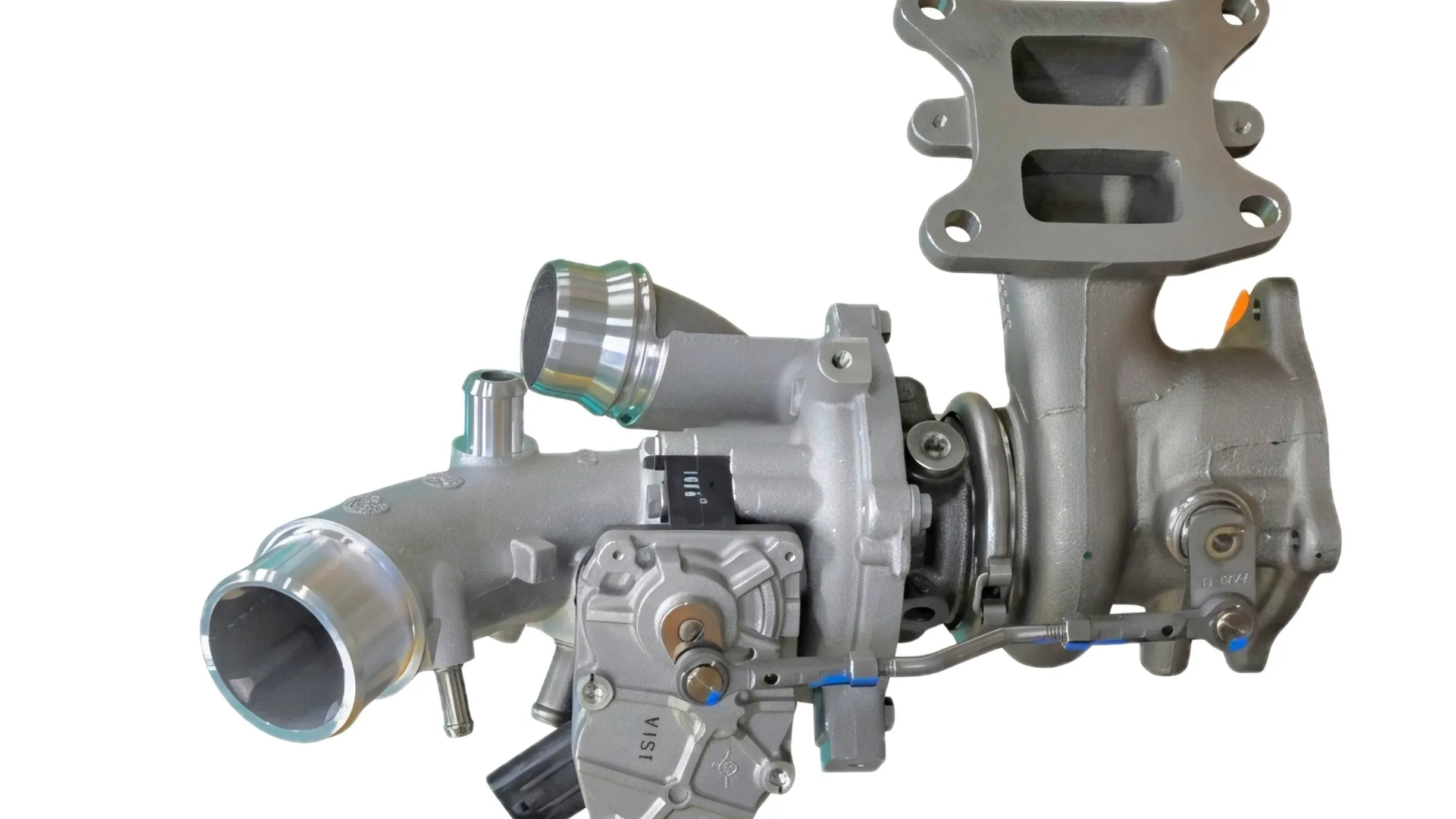
BorgWarner has secured three new turbocharger contracts with a global powertrain technology company. The wins comprise one contract for its variable turbine geometry (VTG) turbocharger and two for its wastegate turbocharger. The technologies will be deployed in the customer's light-vehicle gasoline platforms in South America and Europe, with production scheduled to begin in 2027.The VTG turbochargers are designed for gasoline engines operating under demanding conditions and high-boost pressure requirements. They are engineered to support Miller-cycle engines and withstand exhaust temperatures ..

Next Story
Infrastructure Transport

International Digi Yatra Trials Begin at Seven Airports

India has begun trials of Digi Yatra for international passengers at seven airports, allowing eligible Indian passport holders to use facial recognition at selected airport checkpoints. The facility is currently limited to Indian nationals with e-passports travelling on selected international flights operated by Air India and IndiGo. The Civil Aviation Ministry announced the trials on 1 November, with testing scheduled through December 2026. A wider rollout is expected in 2027 after the ministry assesses passenger feedback gathered during the trial period, according to PTI. The system is inten..

Next Story
Infrastructure Transport

Air India Plans More Wide-Body Jets, CEO Signals Profitability Soon

Air India is seeking to expand its order for wide-body aircraft as it works to increase international passenger traffic, chief executive Tewolde Gebremariam said on Tuesday. The Tata Group-owned carrier is also targeting a return to profitability in the near term, as its turnaround programme addresses fleet, network and service challenges. The comments came months after Gebremariam took charge of the airline. Gebremariam, who previously led Ethiopian Airlines, said the airline wanted more wide-body aircraft. Air India has held discussions with Boeing and Airbus while assessing the economics of..

Advertisement

Subscribe to Our Newsletter

Get daily newsletters around different themes from Construction world.

STAY CONNECTED

Advertisement

SPECIAL OFFER
QR Code