BHAVYA to Develop 100 Plug-and-Play Industrial Parks
ECONOMY & POLICY

BHAVYA to Develop 100 Plug-and-Play Industrial Parks

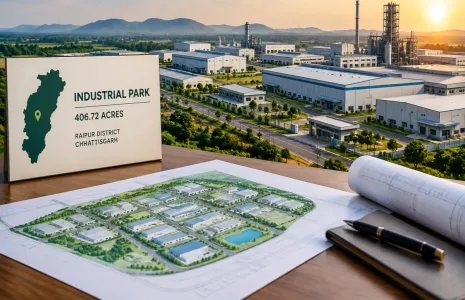
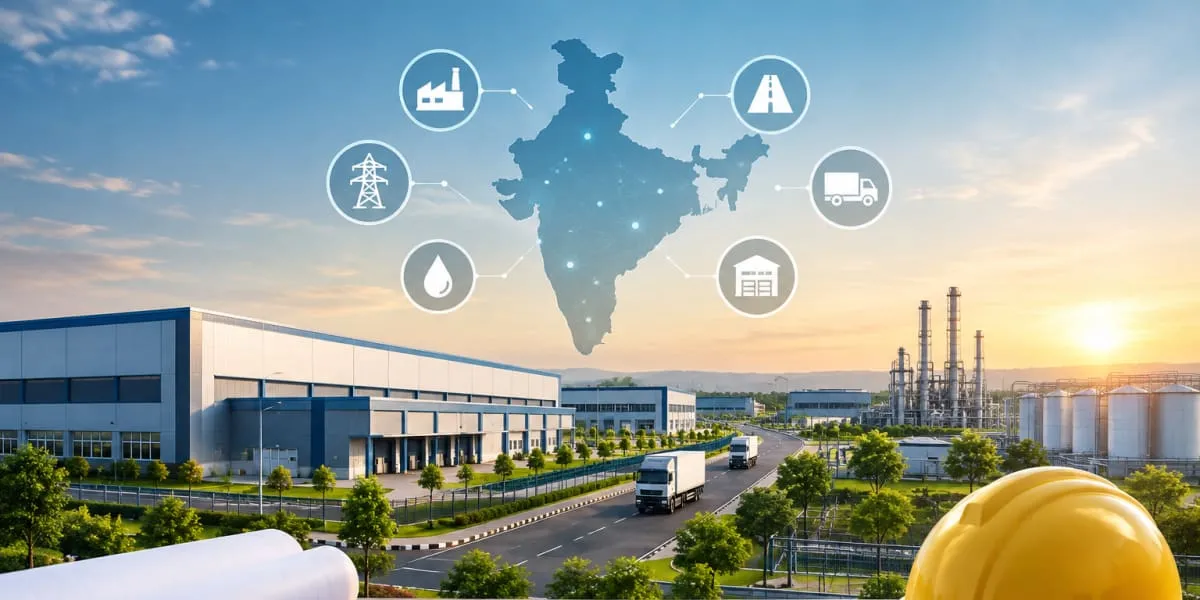
India is expanding efforts to strengthen its manufacturing ecosystem through the Bharat Audyogik Vikas Yojna, or BHAVYA, a Rs. 336.6 bn initiative to develop 100 plug-and-play industrial parks nationwide. The scheme will provide ready infrastructure, common facilities and streamlined approvals to help businesses establish operations more quickly.

The initiative shifts the focus from providing industrial land and basic infrastructure to developing integrated ecosystems combining utilities, logistics, administrative support and worker amenities. It is intended to attract investment, support micro, small and medium enterprises, strengthen supply chains and generate employment.

Manufacturing accounts for about 16 to 17 per cent of India’s GDP and employs more than 27 mn workers, according to government background material. The National Manufacturing Mission has set a target of raising manufacturing’s contribution to GDP to 25 per cent by 2035, while medium- and high-technology industries already account for 46.3 per cent of manufacturing value addition.

Approved by the Union Cabinet in March 2026 and notified on April 10, BHAVYA will be implemented with state governments and private developers over six years, from FY27 to FY32. It will provide financial assistance of up to Rs. 10 mn per acre for infrastructure such as internal roads, power, water, drainage, common effluent treatment facilities and information and communication technology-enabled administration.

The parks may also include factory sheds, built-to-suit units, testing facilities and warehouses. Worker housing, healthcare, skills centres and other social amenities are included, while up to 25 per cent of approved funding can support external road, rail and last-mile connectivity. Individual parks will cover 25 to 1,000 acres, with dedicated special purpose vehicles overseeing development and maintenance.

Up to 50 parks will be selected in the first phase through a two-round challenge process, with later phases taking the total to 100. The model builds on India’s existing industrial infrastructure, including 260 plug-and-play parks and initiatives such as Dholera in Gujarat. The government expects the network to reduce setup costs and delays while improving access to domestic and international markets.

India is expanding efforts to strengthen its manufacturing ecosystem through the Bharat Audyogik Vikas Yojna, or BHAVYA, a Rs. 336.6 bn initiative to develop 100 plug-and-play industrial parks nationwide. The scheme will provide ready infrastructure, common facilities and streamlined approvals to help businesses establish operations more quickly. The initiative shifts the focus from providing industrial land and basic infrastructure to developing integrated ecosystems combining utilities, logistics, administrative support and worker amenities. It is intended to attract investment, support micro, small and medium enterprises, strengthen supply chains and generate employment. Manufacturing accounts for about 16 to 17 per cent of India’s GDP and employs more than 27 mn workers, according to government background material. The National Manufacturing Mission has set a target of raising manufacturing’s contribution to GDP to 25 per cent by 2035, while medium- and high-technology industries already account for 46.3 per cent of manufacturing value addition. Approved by the Union Cabinet in March 2026 and notified on April 10, BHAVYA will be implemented with state governments and private developers over six years, from FY27 to FY32. It will provide financial assistance of up to Rs. 10 mn per acre for infrastructure such as internal roads, power, water, drainage, common effluent treatment facilities and information and communication technology-enabled administration. The parks may also include factory sheds, built-to-suit units, testing facilities and warehouses. Worker housing, healthcare, skills centres and other social amenities are included, while up to 25 per cent of approved funding can support external road, rail and last-mile connectivity. Individual parks will cover 25 to 1,000 acres, with dedicated special purpose vehicles overseeing development and maintenance. Up to 50 parks will be selected in the first phase through a two-round challenge process, with later phases taking the total to 100. The model builds on India’s existing industrial infrastructure, including 260 plug-and-play parks and initiatives such as Dholera in Gujarat. The government expects the network to reduce setup costs and delays while improving access to domestic and international markets.

Related Stories

Gold Stories

Next Story
Resources

Kalpataru Projects International elevates Amit Uplenchwar as Joint MD and CEO

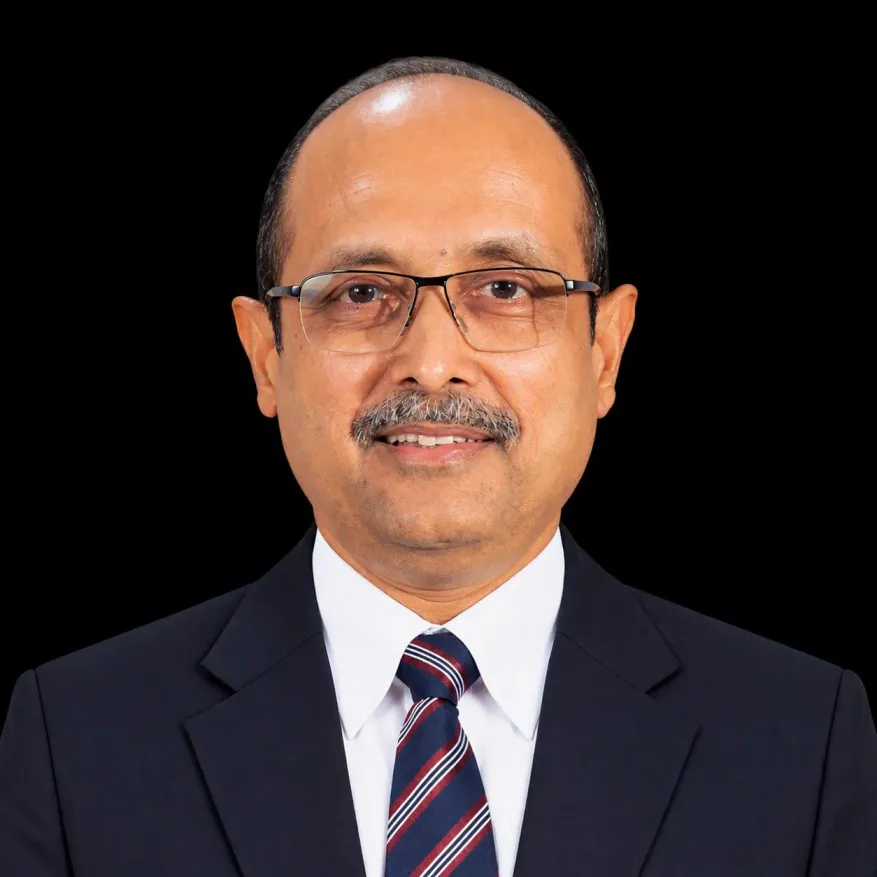
Kalpataru Projects International (KPIL) has elevated Amit Uplenchwar as Joint Managing Director and CEO (designate), following approval by its board on 5 November 2026. He will take charge as Additional Director, Joint Managing Director and CEO from 1 January 2027 for a five-year term ending 31 December 2031, subject to shareholders' approval.Uplenchwar brings over three decades of experience in corporate strategy, business operations, business development, mergers and acquisitions, and international business management. His experience spans transportation, power, water, oil and gas, aerospace..
Next Story
Resources

HCC appoints Vivek Singhal as CEO

Hindustan Construction Company (HCC) has appointed Vivek Singhal as Chief Executive Officer, effective 5 November 2026. He brings over four decades of experience in infrastructure and engineering, procurement and construction (EPC), covering project execution, business leadership, business development and profit and loss management.Singhal has spent 16 years in international markets, delivering projects and managing assets worth approximately Rs 285 billion across five countries. His experience spans airports, metro rail, urban transport, hydropower, bridges and other infrastructure sectors.He..
Next Story
Infrastructure Energy

Essar Signs PPA for 300 MW Hybrid Renewable Energy Project

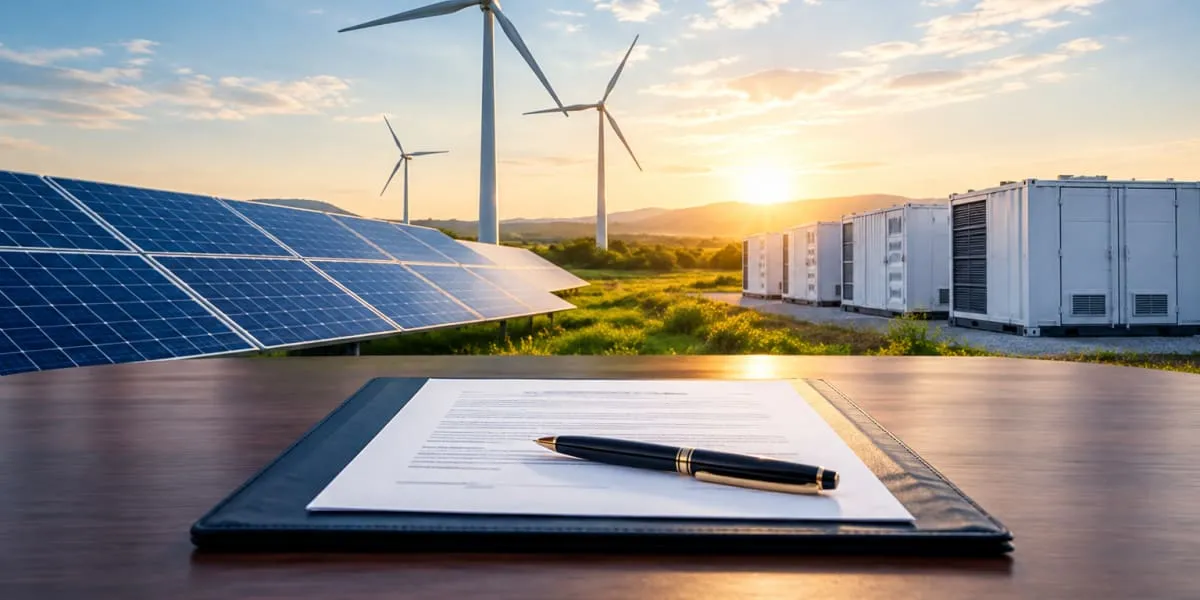
Essar Renewables, the renewable energy arm of Essar Power, has signed a Power Purchase Agreement (PPA) with NHPC for a 300 MW renewable energy project in Andhra Pradesh. The agreement follows the company’s successful bid for the project two years ago. Essar Power will invest approximately Rs. 45 bn in the development. The project will combine solar and wind generation with Battery Energy Storage Systems (BESS), enabling the supply of reliable and dispatchable renewable power. It forms part of Essar Power’s plan to build a diversified energy portfolio of approximately 5 GW across renewable,..

Advertisement

Subscribe to Our Newsletter

Get daily newsletters around different themes from Construction world.

STAY CONNECTED

Advertisement

SPECIAL OFFER
QR Code