




Delhi-NCR implements revised anti-pollution plan
ECONOMY & POLICY

Delhi-NCR implements revised anti-pollution plan

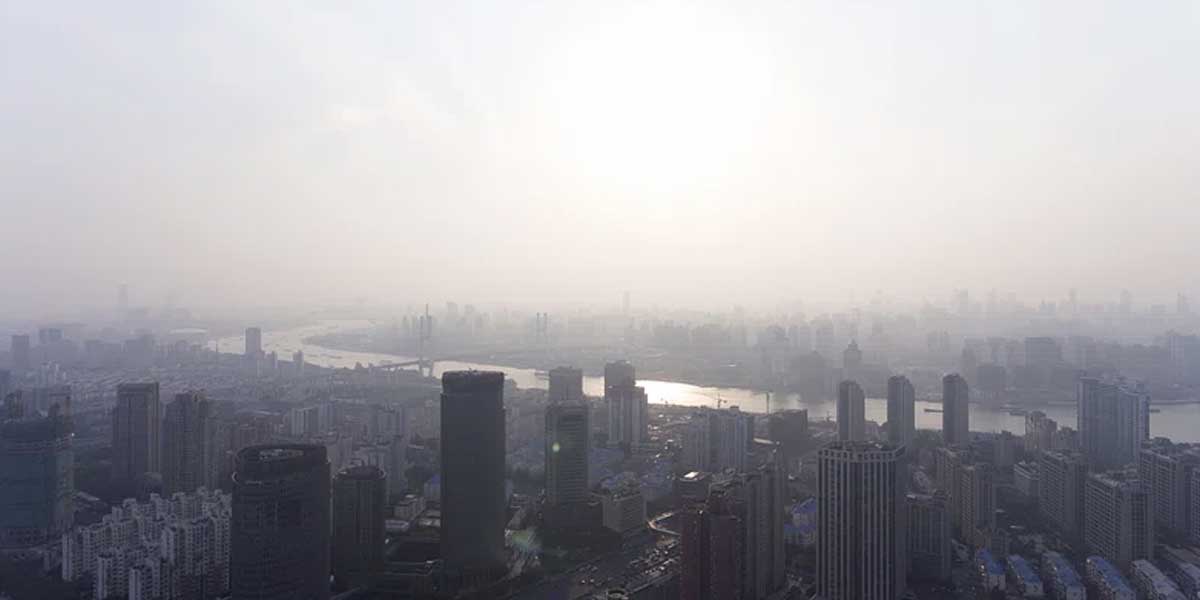
The Graded Response Action Plan (GRAP), a set of measures to combat air pollution during winters in Delhi-NCR, is now in effect. The Commission for Air Quality Management (CAQM) made significant changes to GRAP last year and again in July. These changes include stricter restrictions on old vehicles and a complete ban on coal and firewood use in eateries when the Air Quality Index (AQI) exceeds 200.

Additionally, BS-III petrol and BS-IV diesel four-wheelers will be banned immediately in Delhi and nearby areas if the AQI crosses 400. The CAQM amended GRAP to proactively implement anti-air pollution measures based on up to three-day forecasts, replacing the previous practice of implementing measures only after pollution levels reached certain thresholds.

GRAP categorises air quality in Delhi under four stages: 'poor,' 'very poor,' 'severe,' and 'severe plus.' The revised plan recommends strict enforcement of Supreme Court and National Green Tribunal orders regarding old diesel and petrol vehicles under Stage 1. It also mandates a coal and firewood ban in eateries when AQI crosses 200, which was previously enforced under Stage 2.

The revised plan introduces new steps, including taking strict action to address air pollution hotspots under Stage 2. Under Stage 3, restrictions on BS-III petrol and BS-IV diesel vehicles are imposed in Delhi and nearby areas, potentially leading to the suspension of physical classes for children up to Class 5. For AQI above 450, non-Delhi registered four-wheelers, except electric and CNG vehicles, are prohibited from entering Delhi, except for essential services.

Despite these changes, existing measures under various GRAP stages will continue to be enforced. The CAQM has also granted a three-month reprieve for the use of diesel generator sets in nine critical categories of emergency services, alleviating concerns about power disruptions in essential sectors in the NCR.

The Graded Response Action Plan (GRAP), a set of measures to combat air pollution during winters in Delhi-NCR, is now in effect. The Commission for Air Quality Management (CAQM) made significant changes to GRAP last year and again in July. These changes include stricter restrictions on old vehicles and a complete ban on coal and firewood use in eateries when the Air Quality Index (AQI) exceeds 200. Additionally, BS-III petrol and BS-IV diesel four-wheelers will be banned immediately in Delhi and nearby areas if the AQI crosses 400. The CAQM amended GRAP to proactively implement anti-air pollution measures based on up to three-day forecasts, replacing the previous practice of implementing measures only after pollution levels reached certain thresholds. GRAP categorises air quality in Delhi under four stages: 'poor,' 'very poor,' 'severe,' and 'severe plus.' The revised plan recommends strict enforcement of Supreme Court and National Green Tribunal orders regarding old diesel and petrol vehicles under Stage 1. It also mandates a coal and firewood ban in eateries when AQI crosses 200, which was previously enforced under Stage 2. The revised plan introduces new steps, including taking strict action to address air pollution hotspots under Stage 2. Under Stage 3, restrictions on BS-III petrol and BS-IV diesel vehicles are imposed in Delhi and nearby areas, potentially leading to the suspension of physical classes for children up to Class 5. For AQI above 450, non-Delhi registered four-wheelers, except electric and CNG vehicles, are prohibited from entering Delhi, except for essential services. Despite these changes, existing measures under various GRAP stages will continue to be enforced. The CAQM has also granted a three-month reprieve for the use of diesel generator sets in nine critical categories of emergency services, alleviating concerns about power disruptions in essential sectors in the NCR.

Next Story
Infrastructure Transport

Kavach 4.0 Commissioned on Delhi–Mumbai and Delhi–Howrah

"Kavach version four has been commissioned on 1,452 route km, covering the high density Delhi–Mumbai and Delhi–Howrah corridors. The rollout included laying 8,570 km of optical fibre, installation of 1,100 telecom towers, deployment of trackside equipment over 6,776 RKm and establishment of 767 station data centres. Trackside implementation has been taken up on 24,427 RKm covering Golden Quadrilateral, Golden Diagonal and High Density Network sections. The programme aims to strengthen signalling and train protection on key routes.Kavach is an indigenously developed automatic train protecti..

Next Story
Infrastructure Transport

Railways Advance Kalyan–Murbad Line And Mumbai Capacity Expansion

"Indian Railways is advancing multiple rail infrastructure projects in Maharashtra, including the sanctioned Kalyan–Murbad new line and sizable investments under the Mumbai Urban Transport Project and the Mumbai–Ahmedabad High Speed Rail project. The Kalyan–Murbad 28 km new line has been sanctioned at Rs 8.36 billion (bn) on a 50:50 cost-sharing basis with the Government of Maharashtra and has been declared a Special Railway Project for land acquisition; proposals covering 214 hectares are at various stages of acquisition. Budgetary outlay for projects falling fully or partly in Maharash..

Next Story
Infrastructure Urban

Parliamentary Panel Flags Funding Gaps in Heavy Industries

"The Department-Related Parliamentary Standing Committee on Industry (Rajya Sabha) presented its 332nd report on the Demands for Grants 2026-27 of the Ministry of Heavy Industries (MHI). Figures converted from crore and lakh are expressed in million (mn). The Budget Estimates 2026-27 for the Ministry stand at Rs 79,399 mn against a projected requirement of Rs 94,843.2 mn, a shortfall of about 16 per cent, with revenue at Rs 79,370.8 mn and capital compressed to Rs 28.2 mn from Rs 5,020 mn.The committee flagged recurring BE-to-RE compression and declining revised estimate utilisation, and calle..

Advertisement

Subscribe to Our Newsletter

Get daily newsletters around different themes from Construction world.

STAY CONNECTED

Advertisement

Advertisement

Advertisement