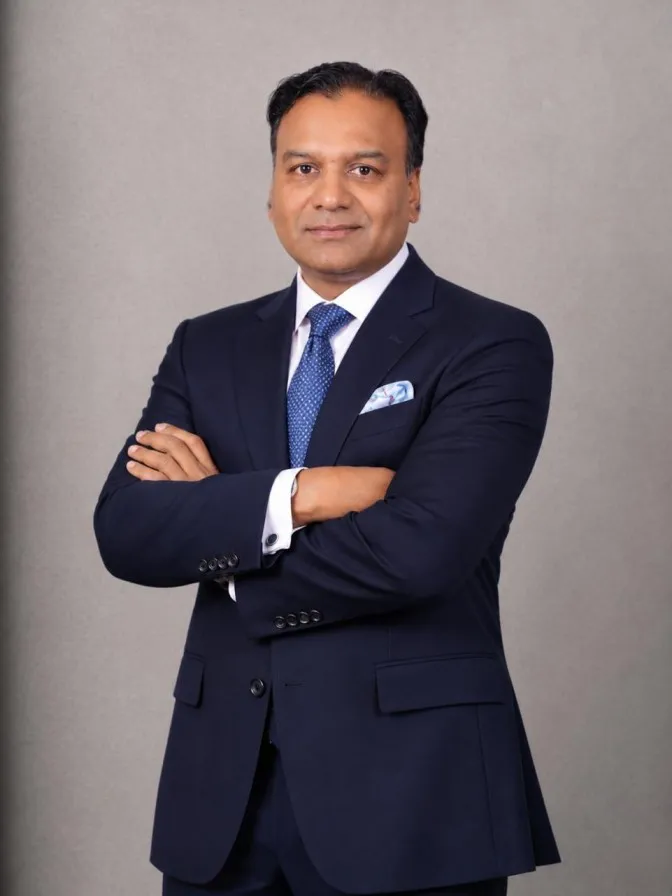
FTAs Open Global Markets for MSMEs, Quality Key: Secretary
ECONOMY & POLICY

FTAs Open Global Markets for MSMEs, Quality Key: Secretary

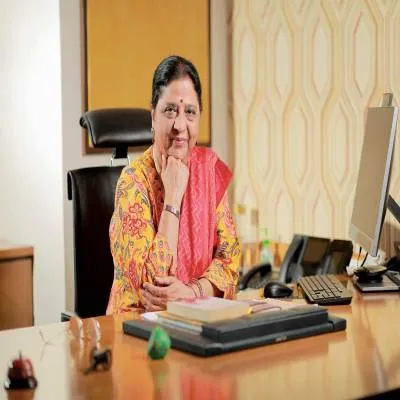
Free trade agreements (FTAs) and economic partnerships are opening new opportunities for Indian micro, small and medium enterprises (MSMEs) in global markets, but quality and competitiveness will determine their ability to benefit, MSME Secretary Bharat Khera said on Tuesday. He was speaking on the sidelines of the Confederation of Indian Industry’s 23rd Global MSME Business Summit 2026 in New Delhi.

Khera said the Ministry of MSME was following a comprehensive approach to strengthen the sector and support the vision of Viksit Bharat 2047. Its five priorities are formalisation, access to finance, quality improvement and technology adoption, export competitiveness, and entrepreneurship and skill development.

Efforts to bring informal businesses into the formal economy have resulted in 98 mn enterprises registering on the Udyam platform, according to Khera. He said the Credit Guarantee Scheme for Micro and Small Enterprises and the Trade Receivables Discounting System (TReDS) had improved access to institutional finance.

TReDS discounting rose from Rs. 400 bn in 2022-23 to Rs. 3.5 tn in the last financial year, while outstanding credit to MSMEs increased fourfold over the past decade, from about Rs. 1 tn to nearly Rs. 4 tn. Khera also highlighted the Zero Defect, Zero Effect scheme, which promotes quality standards and improved manufacturing practices, but said adoption of silver and gold certifications remained low.

The ministry plans to work with the Quality Council of India and the National Productivity Council to encourage higher-level certifications and make technology more accessible through government technology centres. Khera said first-time exporters, particularly small businesses in remote areas, required greater support with logistics and export preparedness.

He added that larger companies could help MSMEs through innovation, technology transfer, vendor development and supply-chain integration. Vendors in Tier-II and Tier-III cities must also meet quality standards, he said. With 80 per cent of CII members belonging to the MSME sector, stronger government-industry coordination could support employment, exports, manufacturing and resilient supply chains.

Free trade agreements (FTAs) and economic partnerships are opening new opportunities for Indian micro, small and medium enterprises (MSMEs) in global markets, but quality and competitiveness will determine their ability to benefit, MSME Secretary Bharat Khera said on Tuesday. He was speaking on the sidelines of the Confederation of Indian Industry’s 23rd Global MSME Business Summit 2026 in New Delhi. Khera said the Ministry of MSME was following a comprehensive approach to strengthen the sector and support the vision of Viksit Bharat 2047. Its five priorities are formalisation, access to finance, quality improvement and technology adoption, export competitiveness, and entrepreneurship and skill development. Efforts to bring informal businesses into the formal economy have resulted in 98 mn enterprises registering on the Udyam platform, according to Khera. He said the Credit Guarantee Scheme for Micro and Small Enterprises and the Trade Receivables Discounting System (TReDS) had improved access to institutional finance. TReDS discounting rose from Rs. 400 bn in 2022-23 to Rs. 3.5 tn in the last financial year, while outstanding credit to MSMEs increased fourfold over the past decade, from about Rs. 1 tn to nearly Rs. 4 tn. Khera also highlighted the Zero Defect, Zero Effect scheme, which promotes quality standards and improved manufacturing practices, but said adoption of silver and gold certifications remained low. The ministry plans to work with the Quality Council of India and the National Productivity Council to encourage higher-level certifications and make technology more accessible through government technology centres. Khera said first-time exporters, particularly small businesses in remote areas, required greater support with logistics and export preparedness. He added that larger companies could help MSMEs through innovation, technology transfer, vendor development and supply-chain integration. Vendors in Tier-II and Tier-III cities must also meet quality standards, he said. With 80 per cent of CII members belonging to the MSME sector, stronger government-industry coordination could support employment, exports, manufacturing and resilient supply chains.

Related Stories

Gold Stories
Next Story
Resources

Kalpataru Projects International elevates Amit Uplenchwar as Joint MD and CEO

Kalpataru Projects International (KPIL) has elevated Amit Uplenchwar as Joint Managing Director and CEO (designate), following approval by its board on 5 November 2026. He will take charge as Additional Director, Joint Managing Director and CEO from 1 January 2027 for a five-year term ending 31 December 2031, subject to shareholders' approval.Uplenchwar brings over three decades of experience in corporate strategy, business operations, business development, mergers and acquisitions, and international business management. His experience spans transportation, power, water, oil and gas, aerospace..
Next Story
Resources

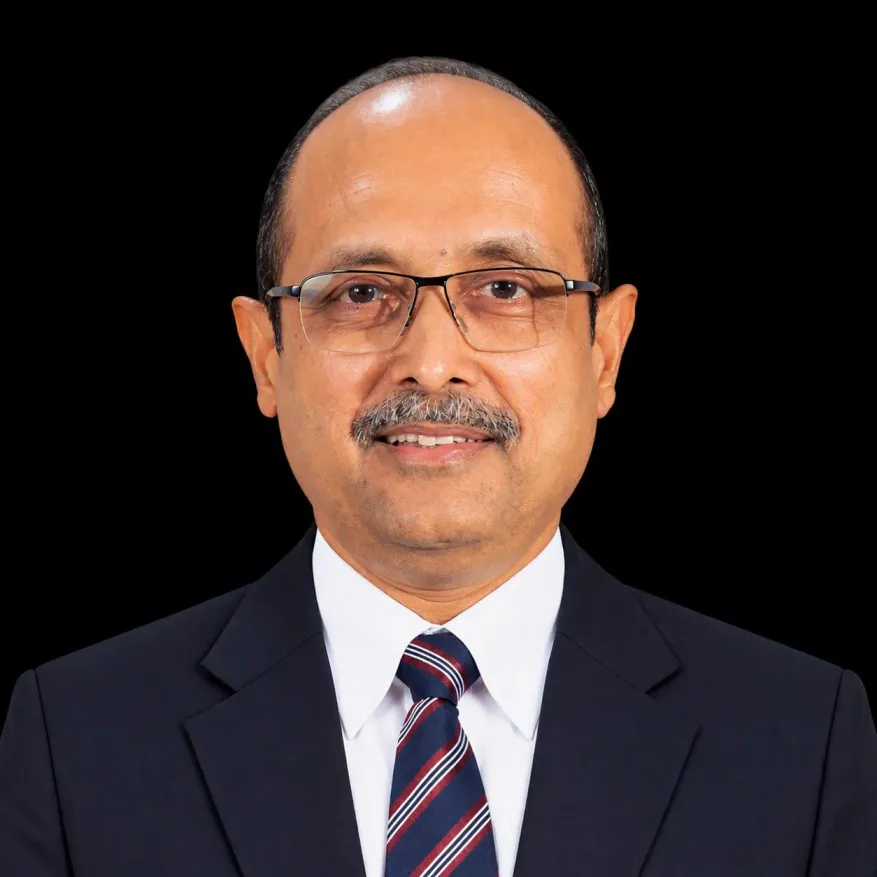
HCC appoints Vivek Singhal as CEO

Hindustan Construction Company (HCC) has appointed Vivek Singhal as Chief Executive Officer, effective 5 November 2026. He brings over four decades of experience in infrastructure and engineering, procurement and construction (EPC), covering project execution, business leadership, business development and profit and loss management.Singhal has spent 16 years in international markets, delivering projects and managing assets worth approximately Rs 285 billion across five countries. His experience spans airports, metro rail, urban transport, hydropower, bridges and other infrastructure sectors.He..
Next Story
Infrastructure Energy

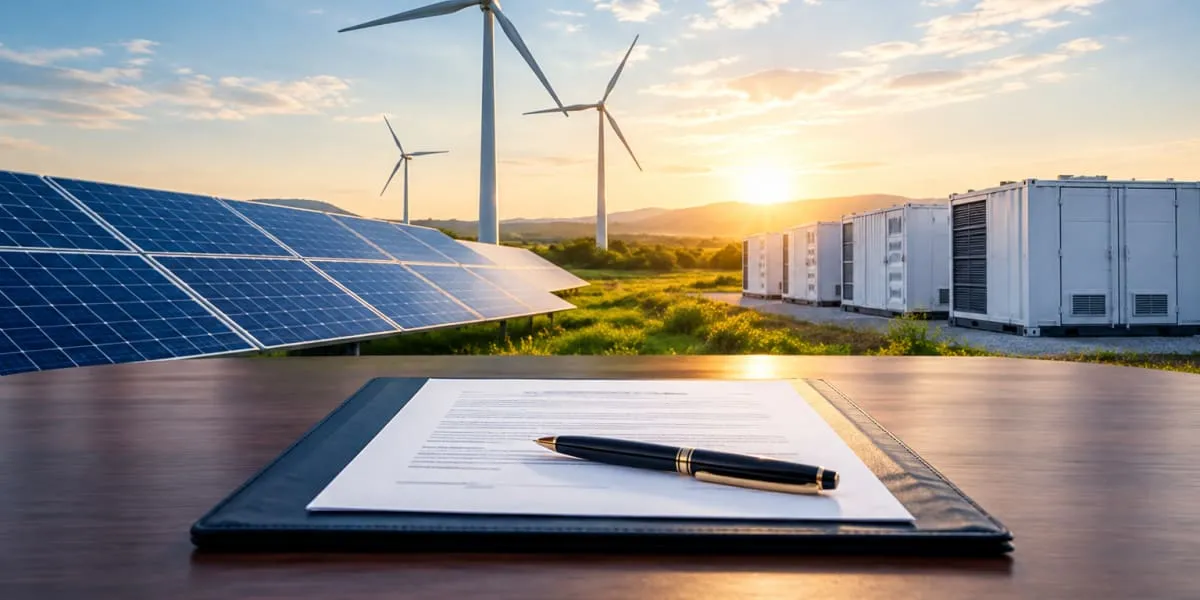
Essar Signs PPA for 300 MW Hybrid Renewable Energy Project

Essar Renewables, the renewable energy arm of Essar Power, has signed a Power Purchase Agreement (PPA) with NHPC for a 300 MW renewable energy project in Andhra Pradesh. The agreement follows the company’s successful bid for the project two years ago. Essar Power will invest approximately Rs. 45 bn in the development. The project will combine solar and wind generation with Battery Energy Storage Systems (BESS), enabling the supply of reliable and dispatchable renewable power. It forms part of Essar Power’s plan to build a diversified energy portfolio of approximately 5 GW across renewable,..

Advertisement

Subscribe to Our Newsletter

Get daily newsletters around different themes from Construction world.

STAY CONNECTED

Advertisement

SPECIAL OFFER
QR Code