




Hiranandani's Greenbase Expands in Chennai
ECONOMY & POLICY

Hiranandani's Greenbase Expands in Chennai

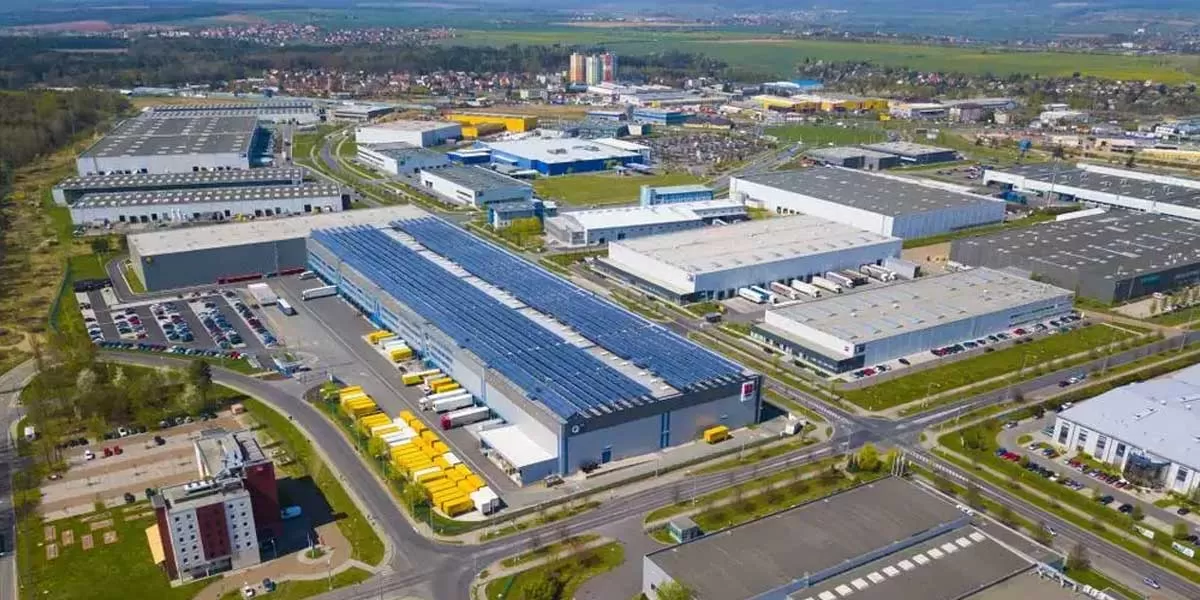
Greenbase, the industrial and logistics arm of the Hiranandani Group, is set to develop industrial and logistics parks on a sprawling 391-acre site in Chennai. This significant expansion underscores Greenbase's commitment to enhancing infrastructure and catering to the growing demand for high-quality industrial and logistics spaces in India.

The project is strategically located, offering seamless connectivity to key transportation hubs, including major highways, ports, and airports. This makes it an attractive destination for businesses seeking efficient logistics solutions. The development is expected to cater to a diverse range of industries, including e-commerce, manufacturing, and retail, which require state-of-the-art warehousing and logistics facilities.

Greenbase's focus on sustainability is a key highlight of this project. The parks will incorporate green building practices and energy-efficient technologies, aligning with global standards for environmental sustainability. This approach not only reduces the carbon footprint of the facilities but also ensures long-term operational efficiency for the tenants.

The Chennai project is part of Greenbase's broader strategy to expand its footprint across India. The company has been actively acquiring land and developing similar parks in other strategic locations, positioning itself as a leading player in the industrial and logistics real estate sector. With this new development, Greenbase aims to attract both domestic and international companies looking to establish or expand their operations in India.

Hiranandani Group's entry into the industrial and logistics sector through Greenbase has been marked by rapid growth and strategic investments. The group's expertise in real estate, combined with its commitment to sustainability, has enabled Greenbase to deliver high-quality infrastructure that meets the evolving needs of businesses in India.

The development of these parks is expected to create significant economic benefits for the region, including job creation and increased business activity. It also reflects the growing importance of Chennai as a key industrial and logistics hub in India. The city's infrastructure, skilled workforce, and strategic location have made it a preferred destination for companies seeking to expand their operations in South India.

As Greenbase continues to develop and expand its portfolio of industrial and logistics parks, it is well-positioned to meet the rising demand for high-quality logistics spaces in India. The company's focus on sustainability, coupled with its strategic investments, ensures that it remains at the forefront of the industry, providing innovative solutions for businesses looking to enhance their supply chain efficiency.

This project in Chennai is a testament to Greenbase's vision of creating world-class industrial and logistics infrastructure that supports the growth of India's economy while adhering to the highest standards of environmental sustainability. As the development progresses, it will contribute to the economic dynamism of the region and reinforce Chennai's status as a critical node in India's industrial and logistics network.

Greenbase, the industrial and logistics arm of the Hiranandani Group, is set to develop industrial and logistics parks on a sprawling 391-acre site in Chennai. This significant expansion underscores Greenbase's commitment to enhancing infrastructure and catering to the growing demand for high-quality industrial and logistics spaces in India. The project is strategically located, offering seamless connectivity to key transportation hubs, including major highways, ports, and airports. This makes it an attractive destination for businesses seeking efficient logistics solutions. The development is expected to cater to a diverse range of industries, including e-commerce, manufacturing, and retail, which require state-of-the-art warehousing and logistics facilities. Greenbase's focus on sustainability is a key highlight of this project. The parks will incorporate green building practices and energy-efficient technologies, aligning with global standards for environmental sustainability. This approach not only reduces the carbon footprint of the facilities but also ensures long-term operational efficiency for the tenants. The Chennai project is part of Greenbase's broader strategy to expand its footprint across India. The company has been actively acquiring land and developing similar parks in other strategic locations, positioning itself as a leading player in the industrial and logistics real estate sector. With this new development, Greenbase aims to attract both domestic and international companies looking to establish or expand their operations in India. Hiranandani Group's entry into the industrial and logistics sector through Greenbase has been marked by rapid growth and strategic investments. The group's expertise in real estate, combined with its commitment to sustainability, has enabled Greenbase to deliver high-quality infrastructure that meets the evolving needs of businesses in India. The development of these parks is expected to create significant economic benefits for the region, including job creation and increased business activity. It also reflects the growing importance of Chennai as a key industrial and logistics hub in India. The city's infrastructure, skilled workforce, and strategic location have made it a preferred destination for companies seeking to expand their operations in South India. As Greenbase continues to develop and expand its portfolio of industrial and logistics parks, it is well-positioned to meet the rising demand for high-quality logistics spaces in India. The company's focus on sustainability, coupled with its strategic investments, ensures that it remains at the forefront of the industry, providing innovative solutions for businesses looking to enhance their supply chain efficiency. This project in Chennai is a testament to Greenbase's vision of creating world-class industrial and logistics infrastructure that supports the growth of India's economy while adhering to the highest standards of environmental sustainability. As the development progresses, it will contribute to the economic dynamism of the region and reinforce Chennai's status as a critical node in India's industrial and logistics network.

Next Story
Infrastructure Urban

Implementation Status of Jal Jeevan Mission

Since August 2019 the Government has implemented Jal Jeevan Mission to provide assured potable water through household tap connections in rural India. At the start of the mission only 32.3 million (mn) rural households, representing 16.7 per cent, were reported to have tap water connections. States and union territories have reported that 125.8 mn additional rural households have since been provided with tap connections. As a result, of about 193.6 mn rural households roughly 158.2 mn, or 81.71 per cent, are reported to have tap water supply at home.\n\nThe State, district and village level st..

Next Story
Infrastructure Urban

Jal Jeevan Mission Reaches Eighty One Per Cent Rural Coverage

The Government reported substantial progress under the Jal Jeevan Mission, launched in August 2019 to provide tap water to every rural household. At launch only 32.3 million (mn) rural households had tap connections and states and Union territories reported provision of 125.8 mn additional households by March 2026. Consequently, out of about 193.6 mn rural households around 158.2 mn, or 81.71 per cent, are reported to have tap water at home. The Finance Minister announced extension of the mission until 2028 in the 2025-26 budget speech. The Swachh Bharat Mission Grameen, launched in October 20..

Next Story
Infrastructure Urban

Empowering Local Governance for Sustainable Rural Water Supply

The Ministry of Jal Shakti has aligned the Jal Jeevan Mission (JJM) with the 73rd Amendment to strengthen village level planning and community ownership of water supply. Gram Panchayats, village water and sanitation committees and Pani Samitis are to plan, implement, manage and maintain piped water systems, with gram sabha processes formalising handover and oversight. Implementation support agencies including non government organisations, community based organisations and self help groups have been empanelled to train local committees and promote women participation. Under JJM, the department ..

Advertisement

Subscribe to Our Newsletter

Get daily newsletters around different themes from Construction world.

STAY CONNECTED

Advertisement

Advertisement

Advertisement















