


India Installs 29,277 EV Chargers, Karnataka Leads
ECONOMY & POLICY

India Installs 29,277 EV Chargers, Karnataka Leads

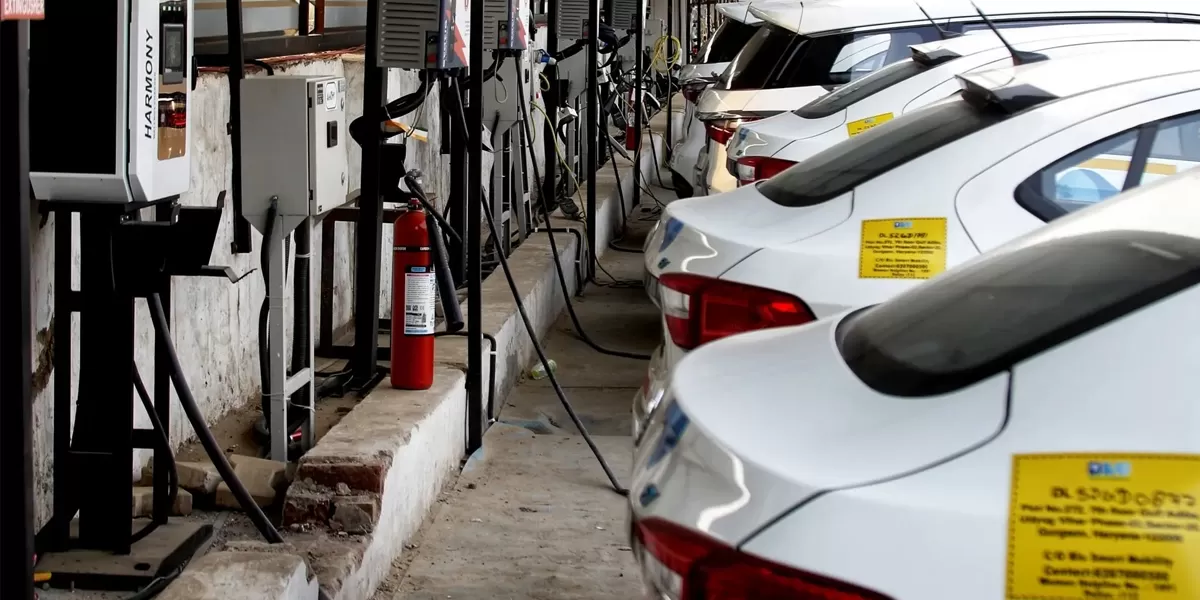
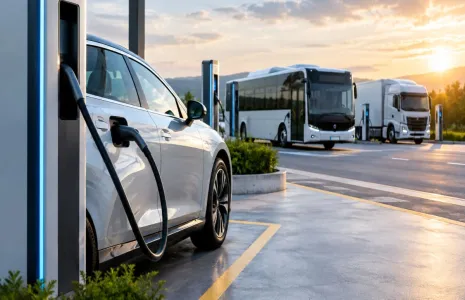
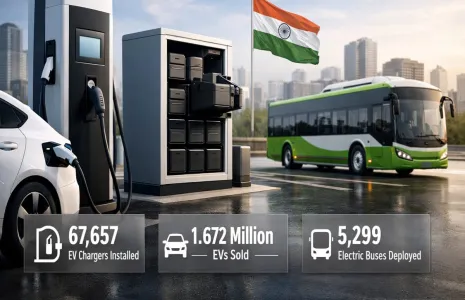
India has installed 29,277 electric vehicle (EV) charging stations across the country, Parliament was informed on Friday. Karnataka leads with 6,097 stations, followed by Maharashtra with 4,155 and Uttar Pradesh with 2,326, said Bhupathiraju Srinivasa Varma, Minister of State for Steel and Heavy Industries.
To support EV infrastructure, the Power Ministry issued the Guidelines for Installation and Operation of Electric Vehicle Charging Infrastructure–2024 in September last year, followed by the Battery Swapping and Charging Stations Guidelines in January 2025. These guidelines outline national standards for EV charging and battery swapping facilities.
An allocation of Rs 2 billion has been made under the PM E-DRIVE Scheme to establish public charging infrastructure for various EV categories. The initiative involves coordination with central ministries, state governments, and other stakeholders.
The PM E-DRIVE scheme, launched in October 2024, aims to boost EV adoption through demand-side incentives and charging infrastructure. A total of Rs 10.9 billion has been earmarked under this scheme for EV subsidies.
As of April 1, 2025, Tier-2 cities accounted for 4,625 operational EV charging stations.
Separately, the government has supported 1.88 million EVs under the FAME (Faster Adoption and Manufacturing of Hybrid and Electric Vehicles in India) schemes up to June 30, 2025. Of these, 1.63 million vehicles were supported under FAME-II (2019–2024).
The FAME-II scheme sanctioned Rs 9.125 billion for installing 9,332 EV public charging stations (PCS), of which 8,885 had been installed as of June 30. Both FAME schemes covered cities across all tiers, including Tier-2 and Tier-3 towns.

India has installed 29,277 electric vehicle (EV) charging stations across the country, Parliament was informed on Friday. Karnataka leads with 6,097 stations, followed by Maharashtra with 4,155 and Uttar Pradesh with 2,326, said Bhupathiraju Srinivasa Varma, Minister of State for Steel and Heavy Industries.To support EV infrastructure, the Power Ministry issued the Guidelines for Installation and Operation of Electric Vehicle Charging Infrastructure–2024 in September last year, followed by the Battery Swapping and Charging Stations Guidelines in January 2025. These guidelines outline national standards for EV charging and battery swapping facilities.An allocation of Rs 2 billion has been made under the PM E-DRIVE Scheme to establish public charging infrastructure for various EV categories. The initiative involves coordination with central ministries, state governments, and other stakeholders.The PM E-DRIVE scheme, launched in October 2024, aims to boost EV adoption through demand-side incentives and charging infrastructure. A total of Rs 10.9 billion has been earmarked under this scheme for EV subsidies.As of April 1, 2025, Tier-2 cities accounted for 4,625 operational EV charging stations.Separately, the government has supported 1.88 million EVs under the FAME (Faster Adoption and Manufacturing of Hybrid and Electric Vehicles in India) schemes up to June 30, 2025. Of these, 1.63 million vehicles were supported under FAME-II (2019–2024).The FAME-II scheme sanctioned Rs 9.125 billion for installing 9,332 EV public charging stations (PCS), of which 8,885 had been installed as of June 30. Both FAME schemes covered cities across all tiers, including Tier-2 and Tier-3 towns.

Next Story
Infrastructure Energy

Mizoram To Build Rs 139 Billion Pumped Storage Power Plant

Mizoram Chief Minister Lalduhoma on Friday announced plans to construct a 2,400 MW pumped storage hydroelectric power plant in Hnahthial district, marking a major step towards achieving energy self-sufficiency in the state. Addressing the Mizo Students’ Union general conference in Hnahthial town, the Chief Minister said the plant would be developed across the Darzo Nallah, a tributary of the Tuipui river. Once operational, the project is expected to play a pivotal role in meeting Mizoram’s rising electricity demand and reducing dependence on imported power. Officials from the State Power..

Next Story
Infrastructure Energy

Centre Plans Nationwide Opening Of Power Retail Market

India is preparing to open up its retail electricity market to private companies nationwide, effectively ending the long-standing monopoly of state-run power distributors in most regions, according to a draft bill released by the Union Power Ministry on Friday. The move will enable major private sector players — including Adani Enterprises, Tata Power, Torrent Power, and CESC — to expand their presence across the country’s electricity distribution landscape. A similar reform attempt in 2022 had faced strong opposition from state-run distribution companies (discoms), which currently dom..

Next Story
Infrastructure Energy

CEA Sets 100 GW Nuclear Target For India By 2047

In a landmark step marking its 52nd Foundation Day, the Central Electricity Authority (CEA) unveiled an ambitious roadmap to develop 100 gigawatts (GW) of nuclear power capacity by 2047, aligning with India’s long-term Net-Zero commitment and energy security objectives. The event, held at the Central Water Commission auditorium in New Delhi’s R.K. Puram, was attended by Pankaj Agarwal, Secretary, Ministry of Power, who served as the Chief Guest. The roadmap sets out a detailed plan to expand India’s nuclear capacity from its current level of approximately 8,180 MW as of early 2025, outl..

Advertisement

Subscribe to Our Newsletter

Get daily newsletters around different themes from Construction world.

STAY CONNECTED

Advertisement

Advertisement

Advertisement

Talk to us?