India, Oman Sign CEPA to Boost Trade and Services Ties
ECONOMY & POLICY

India, Oman Sign CEPA to Boost Trade and Services Ties

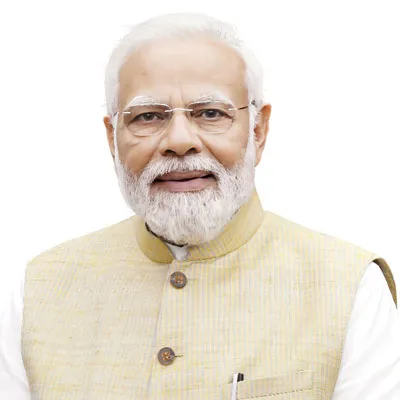
India and Oman have recently signed a Comprehensive Economic Partnership Agreement (CEPA), marking a major milestone in India’s strategic engagement with the Gulf region. The agreement was signed in the presence of Narendra Modi and Sultan Haitham bin Tarik, by Piyush Goyal and Qais bin Mohammed Al Yousef.

The CEPA provides unprecedented market access for Indian goods, with Oman offering zero-duty access on 98.08 per cent of its tariff lines, covering 99.38 per cent of India’s exports by value. Major labour-intensive sectors such as textiles, leather, footwear, gems and jewellery, engineering products, plastics, furniture, agricultural products, pharmaceuticals, medical devices and automobiles will benefit from full tariff elimination, supporting employment generation and MSME growth.

India has offered tariff liberalisation on 77.79 per cent of its tariff lines, covering 94.81 per cent of imports from Oman by value, while safeguarding sensitive sectors through exclusions and tariff-rate quotas. The agreement also delivers ambitious services commitments, with Oman opening 127 sub-sectors including IT, business and professional services, R&D, education, health and audio-visual services.

A key highlight is enhanced mobility for Indian professionals, with expanded Mode 4 commitments, higher quotas for intra-corporate transferees, longer stay provisions for contractual service suppliers and liberalised entry for professionals in accountancy, taxation, architecture and medical services. The CEPA also allows 100 per cent foreign direct investment for Indian companies in major services sectors in Oman.

Additional provisions include fast-tracking of pharmaceutical approvals, mutual recognition for Halal certification, acceptance of India’s organic certification and the first-ever comprehensive commitment by any country on traditional medicine, opening new opportunities for India’s AYUSH and wellness sectors.

The CEPA is expected to significantly expand bilateral trade, strengthen supply chains and deepen long-term economic cooperation between India and Oman, reinforcing India’s broader trade strategy with key non-competing economies.

India and Oman have recently signed a Comprehensive Economic Partnership Agreement (CEPA), marking a major milestone in India’s strategic engagement with the Gulf region. The agreement was signed in the presence of Narendra Modi and Sultan Haitham bin Tarik, by Piyush Goyal and Qais bin Mohammed Al Yousef. The CEPA provides unprecedented market access for Indian goods, with Oman offering zero-duty access on 98.08 per cent of its tariff lines, covering 99.38 per cent of India’s exports by value. Major labour-intensive sectors such as textiles, leather, footwear, gems and jewellery, engineering products, plastics, furniture, agricultural products, pharmaceuticals, medical devices and automobiles will benefit from full tariff elimination, supporting employment generation and MSME growth. India has offered tariff liberalisation on 77.79 per cent of its tariff lines, covering 94.81 per cent of imports from Oman by value, while safeguarding sensitive sectors through exclusions and tariff-rate quotas. The agreement also delivers ambitious services commitments, with Oman opening 127 sub-sectors including IT, business and professional services, R&D, education, health and audio-visual services. A key highlight is enhanced mobility for Indian professionals, with expanded Mode 4 commitments, higher quotas for intra-corporate transferees, longer stay provisions for contractual service suppliers and liberalised entry for professionals in accountancy, taxation, architecture and medical services. The CEPA also allows 100 per cent foreign direct investment for Indian companies in major services sectors in Oman. Additional provisions include fast-tracking of pharmaceutical approvals, mutual recognition for Halal certification, acceptance of India’s organic certification and the first-ever comprehensive commitment by any country on traditional medicine, opening new opportunities for India’s AYUSH and wellness sectors. The CEPA is expected to significantly expand bilateral trade, strengthen supply chains and deepen long-term economic cooperation between India and Oman, reinforcing India’s broader trade strategy with key non-competing economies.

Next Story
Infrastructure Energy

Coal Ministry Simplifies Disposal of Washery Rejects

The Ministry of Coal has recently simplified the process for disposal of coal washery rejects to enhance ease of doing business and ensure faster utilisation, while maintaining environmental safeguards. The move aligns with the government’s Atmanirbhar Bharat vision and ongoing reform agenda in the coal sector. Under the existing policy issued on 27 May 2021, washery rejects were disposed of through a three-tier priority system. The first priority allows their use for energy extraction, in line with Solid Waste Management Rules, 2016, applicable to waste with calorific value above 1,500 kca..

Advertisement

Subscribe to Our Newsletter

Get daily newsletters around different themes from Construction world.

STAY CONNECTED

Advertisement

Advertisement

Advertisement

Advertisement

Open In App