India to Scale Rare Earth Processing for Domestic Minerals Ecosystem
ECONOMY & POLICY

India to Scale Rare Earth Processing for Domestic Minerals Ecosystem

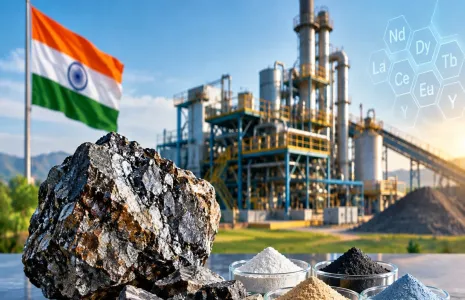
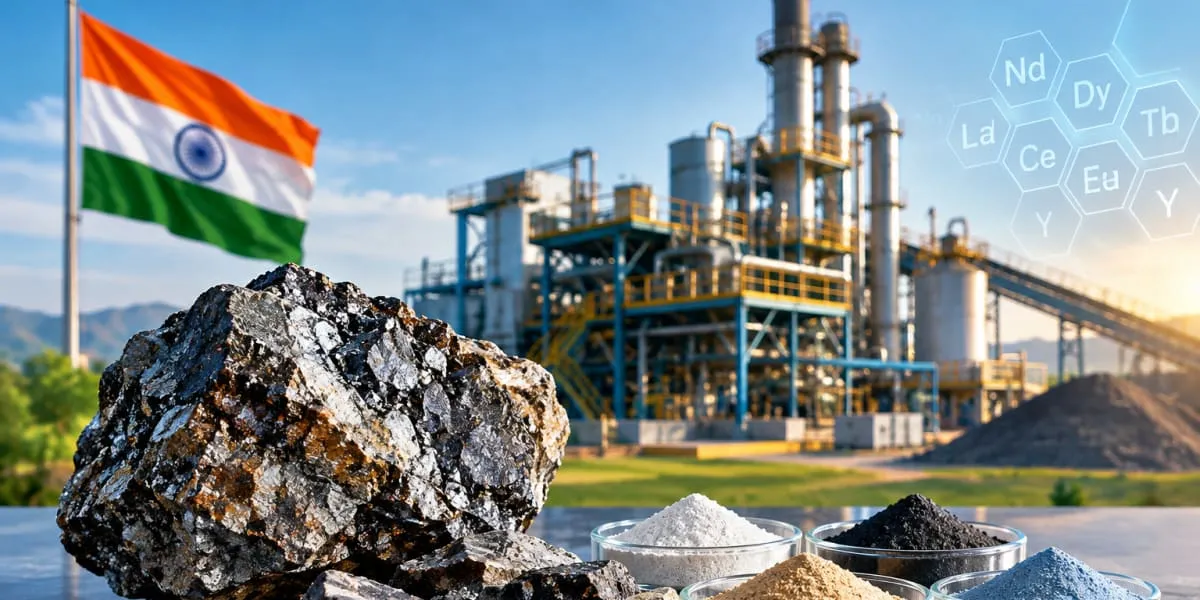
India is working to improve rare earth mineral processing technologies and scale them up for commercial use as the government seeks to establish an end-to-end domestic critical minerals ecosystem, Mines Ministry Joint Secretary Kadam Sandeep Vasant said at the India Mines and Minerals Conclave 2026 in New Delhi.

Vasant said India had substantial rare earth deposits, but improvements in processing were required to create commercially viable and stable operations. The National Critical Mineral Mission is supporting research and development across the country, with the aim of moving existing capabilities from laboratory-scale operations to pilot and commercial stages.

The mission covers the entire domestic value chain, including exploration, mining, extraction, processing, refining and downstream industries. The approach also includes urban mining and the recovery of minerals from secondary resources, such as mine tailings and dumps, alongside conventional mining activities.

Although India has significant rare earth resources, minerals including lithium and nickel are not available domestically in the quantities required. Overseas sourcing will therefore remain important, with Khanij Bidesh India (KABIL) established to identify exploration and mining opportunities in other countries.

The government is also introducing financial support for companies investing in critical minerals. A Rs. 15 bn incentive scheme for critical mineral recycling covers electronic waste, end-of-life batteries and other feedstock, while 58 companies have been declared eligible. The government expects the country to develop substantial recycling capacity over the next two years.

India’s status as one of the world’s largest consumers of electronic goods provides a sizable potential resource base for recovering critical minerals. Vasant said stronger collection systems and processing capacity would be needed, alongside initiatives covering rare earth permanent magnets, advanced chemistry cell batteries and speciality steel manufacturing, to build a stable domestic ecosystem.

India is working to improve rare earth mineral processing technologies and scale them up for commercial use as the government seeks to establish an end-to-end domestic critical minerals ecosystem, Mines Ministry Joint Secretary Kadam Sandeep Vasant said at the India Mines and Minerals Conclave 2026 in New Delhi. Vasant said India had substantial rare earth deposits, but improvements in processing were required to create commercially viable and stable operations. The National Critical Mineral Mission is supporting research and development across the country, with the aim of moving existing capabilities from laboratory-scale operations to pilot and commercial stages. The mission covers the entire domestic value chain, including exploration, mining, extraction, processing, refining and downstream industries. The approach also includes urban mining and the recovery of minerals from secondary resources, such as mine tailings and dumps, alongside conventional mining activities. Although India has significant rare earth resources, minerals including lithium and nickel are not available domestically in the quantities required. Overseas sourcing will therefore remain important, with Khanij Bidesh India (KABIL) established to identify exploration and mining opportunities in other countries. The government is also introducing financial support for companies investing in critical minerals. A Rs. 15 bn incentive scheme for critical mineral recycling covers electronic waste, end-of-life batteries and other feedstock, while 58 companies have been declared eligible. The government expects the country to develop substantial recycling capacity over the next two years. India’s status as one of the world’s largest consumers of electronic goods provides a sizable potential resource base for recovering critical minerals. Vasant said stronger collection systems and processing capacity would be needed, alongside initiatives covering rare earth permanent magnets, advanced chemistry cell batteries and speciality steel manufacturing, to build a stable domestic ecosystem.

Related Stories

Gold Stories

Next Story
Resources

Kalpataru Projects International elevates Amit Uplenchwar as Joint MD and CEO

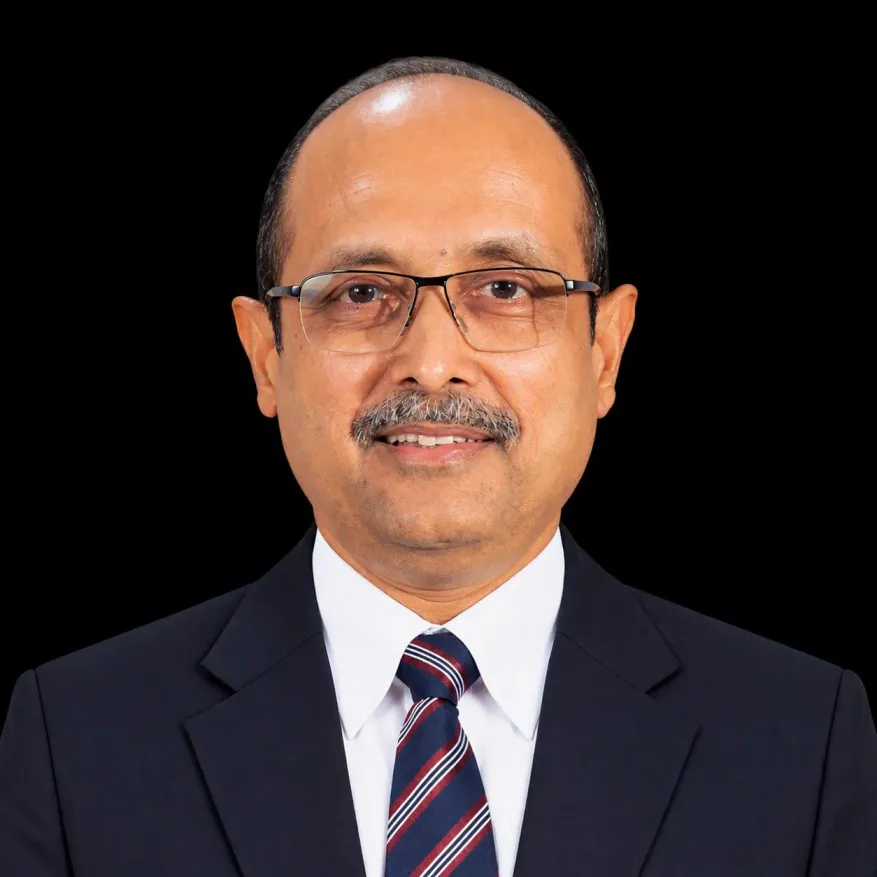
Kalpataru Projects International (KPIL) has elevated Amit Uplenchwar as Joint Managing Director and CEO (designate), following approval by its board on 5 November 2026. He will take charge as Additional Director, Joint Managing Director and CEO from 1 January 2027 for a five-year term ending 31 December 2031, subject to shareholders' approval.Uplenchwar brings over three decades of experience in corporate strategy, business operations, business development, mergers and acquisitions, and international business management. His experience spans transportation, power, water, oil and gas, aerospace..
Next Story
Resources

HCC appoints Vivek Singhal as CEO

Hindustan Construction Company (HCC) has appointed Vivek Singhal as Chief Executive Officer, effective 5 November 2026. He brings over four decades of experience in infrastructure and engineering, procurement and construction (EPC), covering project execution, business leadership, business development and profit and loss management.Singhal has spent 16 years in international markets, delivering projects and managing assets worth approximately Rs 285 billion across five countries. His experience spans airports, metro rail, urban transport, hydropower, bridges and other infrastructure sectors.He..
Next Story
Infrastructure Energy

Essar Signs PPA for 300 MW Hybrid Renewable Energy Project

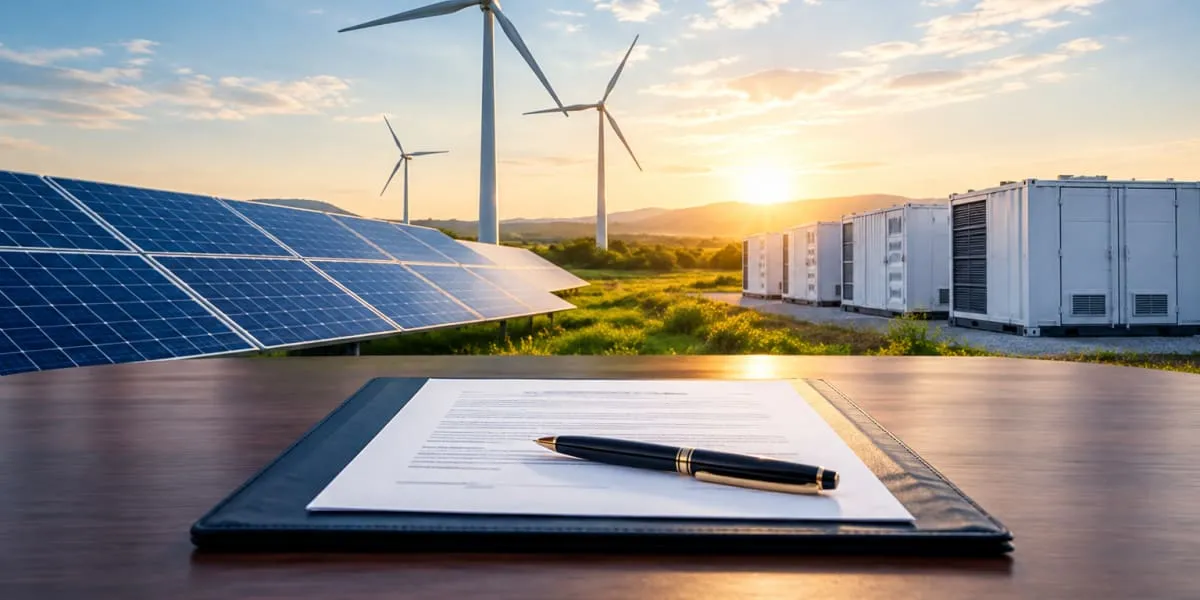
Essar Renewables, the renewable energy arm of Essar Power, has signed a Power Purchase Agreement (PPA) with NHPC for a 300 MW renewable energy project in Andhra Pradesh. The agreement follows the company’s successful bid for the project two years ago. Essar Power will invest approximately Rs. 45 bn in the development. The project will combine solar and wind generation with Battery Energy Storage Systems (BESS), enabling the supply of reliable and dispatchable renewable power. It forms part of Essar Power’s plan to build a diversified energy portfolio of approximately 5 GW across renewable,..

Advertisement

Subscribe to Our Newsletter

Get daily newsletters around different themes from Construction world.

STAY CONNECTED

Advertisement

SPECIAL OFFER
QR Code