+
India to Scale Rare Earth Processing for Domestic Minerals Ecosystem
Technology

India to Scale Rare Earth Processing for Domestic Minerals Ecosystem

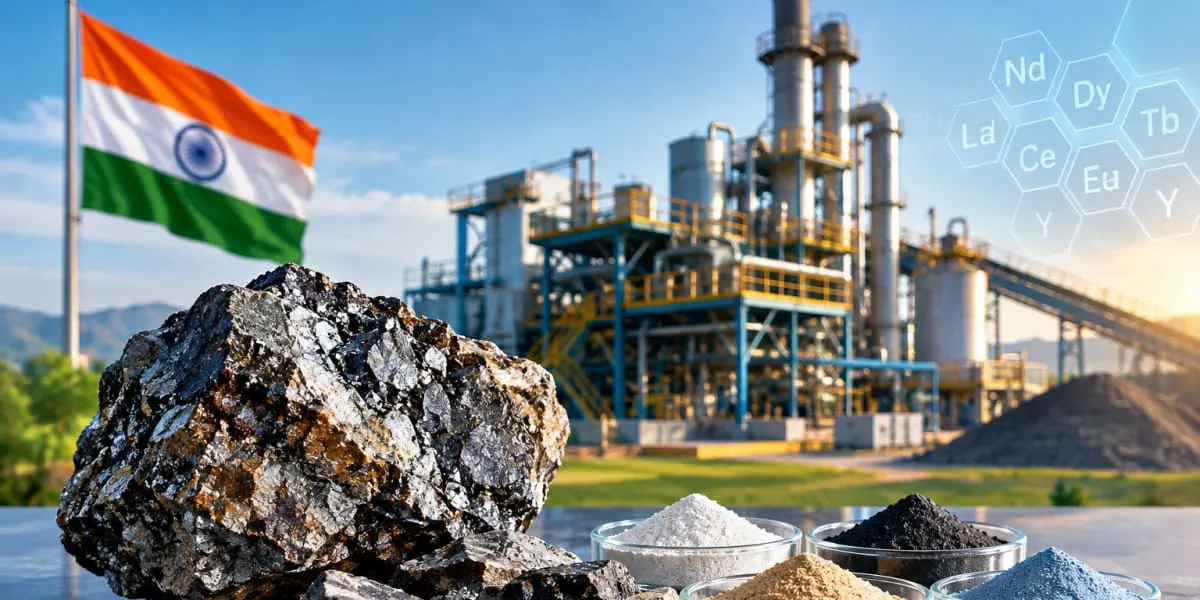
India is working to improve rare earth mineral processing technologies and scale them up for commercial use as the government seeks to establish an end-to-end domestic critical minerals ecosystem, Mines Ministry Joint Secretary Kadam Sandeep Vasant said at the India Mines and Minerals Conclave 2026 in New Delhi.

Vasant said India had substantial rare earth deposits, but improvements in processing were required to create commercially viable and stable operations. The National Critical Mineral Mission is supporting research and development across the country, with the aim of moving existing capabilities from laboratory-scale operations to pilot and commercial stages.

The mission covers the entire domestic value chain, including exploration, mining, extraction, processing, refining and downstream industries. The approach also includes urban mining and the recovery of minerals from secondary resources, such as mine tailings and dumps, alongside conventional mining activities.

Although India has significant rare earth resources, minerals including lithium and nickel are not available domestically in the quantities required. Overseas sourcing will therefore remain important, with Khanij Bidesh India (KABIL) established to identify exploration and mining opportunities in other countries.

The government is also introducing financial support for companies investing in critical minerals. A Rs. 15 bn incentive scheme for critical mineral recycling covers electronic waste, end-of-life batteries and other feedstock, while 58 companies have been declared eligible. The government expects the country to develop substantial recycling capacity over the next two years.

India’s status as one of the world’s largest consumers of electronic goods provides a sizable potential resource base for recovering critical minerals. Vasant said stronger collection systems and processing capacity would be needed, alongside initiatives covering rare earth permanent magnets, advanced chemistry cell batteries and speciality steel manufacturing, to build a stable domestic ecosystem.

India is working to improve rare earth mineral processing technologies and scale them up for commercial use as the government seeks to establish an end-to-end domestic critical minerals ecosystem, Mines Ministry Joint Secretary Kadam Sandeep Vasant said at the India Mines and Minerals Conclave 2026 in New Delhi. Vasant said India had substantial rare earth deposits, but improvements in processing were required to create commercially viable and stable operations. The National Critical Mineral Mission is supporting research and development across the country, with the aim of moving existing capabilities from laboratory-scale operations to pilot and commercial stages. The mission covers the entire domestic value chain, including exploration, mining, extraction, processing, refining and downstream industries. The approach also includes urban mining and the recovery of minerals from secondary resources, such as mine tailings and dumps, alongside conventional mining activities. Although India has significant rare earth resources, minerals including lithium and nickel are not available domestically in the quantities required. Overseas sourcing will therefore remain important, with Khanij Bidesh India (KABIL) established to identify exploration and mining opportunities in other countries. The government is also introducing financial support for companies investing in critical minerals. A Rs. 15 bn incentive scheme for critical mineral recycling covers electronic waste, end-of-life batteries and other feedstock, while 58 companies have been declared eligible. The government expects the country to develop substantial recycling capacity over the next two years. India’s status as one of the world’s largest consumers of electronic goods provides a sizable potential resource base for recovering critical minerals. Vasant said stronger collection systems and processing capacity would be needed, alongside initiatives covering rare earth permanent magnets, advanced chemistry cell batteries and speciality steel manufacturing, to build a stable domestic ecosystem.

Related Stories

Gold Stories

Next Story
Infrastructure Transport

Embraer to Acquire 51 Per Cent Stake in Mahindra Aerospace Arm

Brazilian aerospace major Embraer will acquire a 51 per cent equity stake in Novavayu Aerospace, a step-down subsidiary of Mahindra and Mahindra, under an Investment Agreement notified by the automobile company in an exchange filing. The transaction will give Embraer control of the aerospace business. Following completion of the acquisition, Novavayu Aerospace will cease to be a wholly owned subsidiary and become an associate of Mahindra Defence Systems, which is a step-down wholly owned subsidiary of Mahindra and Mahindra. The agreement is expected to be completed on or before December 1. Mah..
Next Story
Infrastructure Urban

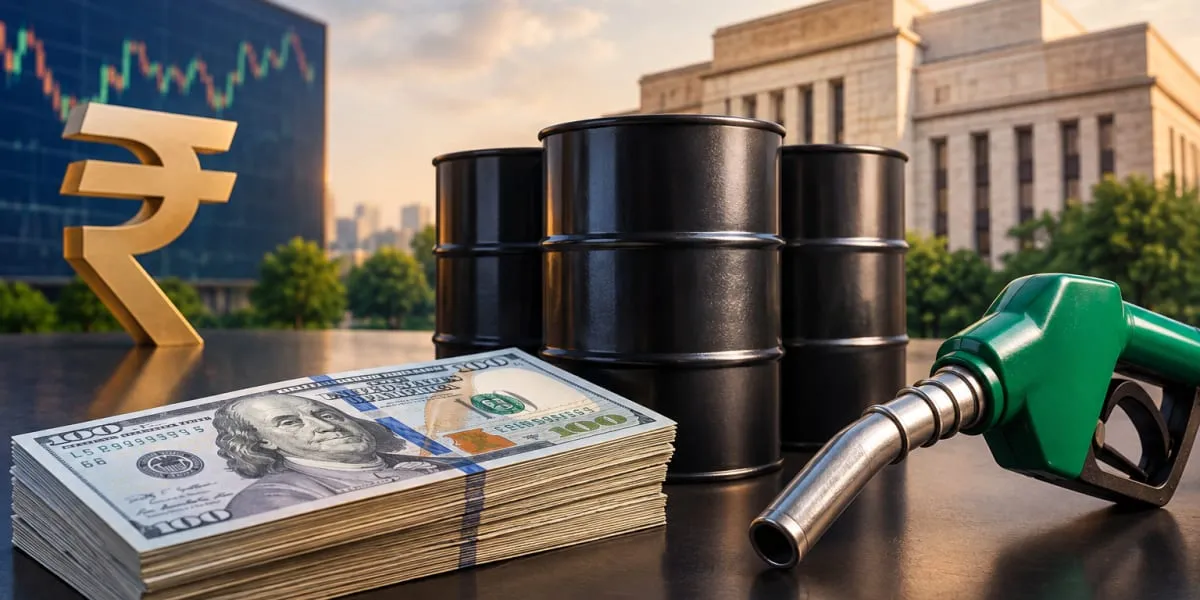
RBI Opens Special Dollar Window for Three State-Run OMCs

The Reserve Bank of India (RBI) has opened a special facility to meet the entire daily US dollar requirements of three public sector oil marketing companies (OMCs), in a move aimed at easing pressure on the Indian rupee. The facility will take effect on October 12, 2026, and remain available until further notice. Indian Oil Corporation, Hindustan Petroleum Corporation and Bharat Petroleum Corporation are eligible to use the arrangement. Under the facility, the RBI will sell US dollars to the three companies through designated banks, allowing them to meet their oil-import payments without sourc..
Next Story
Building Material

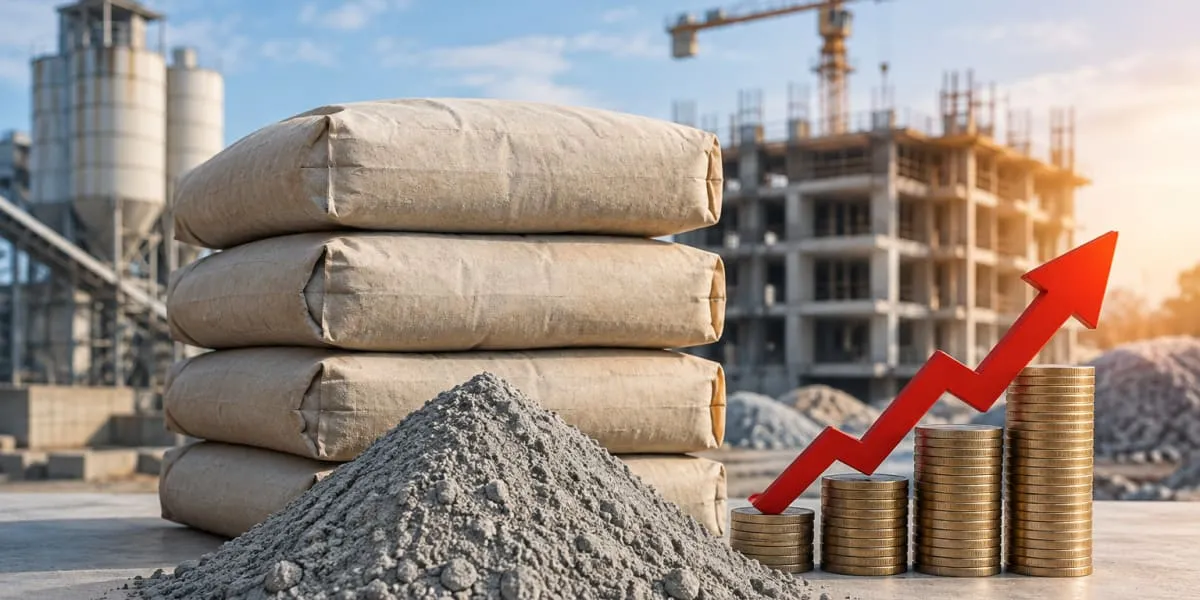
Cement Prices Likely to Rise Rs. 10-15 per Bag from Mid-October

Cement manufacturers in India are likely to raise prices by Rs. 10-15 per bag from mid-October, as they seek to offset persistent increases in power and fuel costs. Emkay Research said its channel checks indicated a high probability of an increase from October 12, supported by the start of the busy construction season and favourable demand-supply conditions. The sector had implemented similar rate adjustments of Rs. 10-15 per bag during the first quarter, but the increases were insufficient to cover higher operating costs. Prices also softened during July and August because of the monsoon, wid..

Advertisement

Subscribe to Our Newsletter

Get daily newsletters around different themes from Construction world.

STAY CONNECTED

Advertisement

SPECIAL OFFER
QR Code