Indian Car Buyers Shift to CNG and EVs as SUVs Reshape Market
ECONOMY & POLICY

Indian Car Buyers Shift to CNG and EVs as SUVs Reshape Market

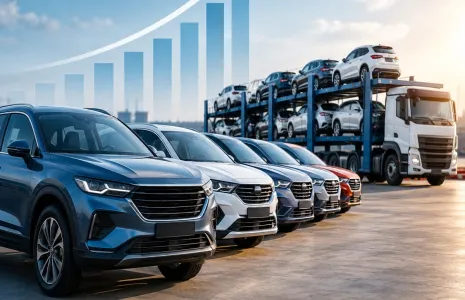
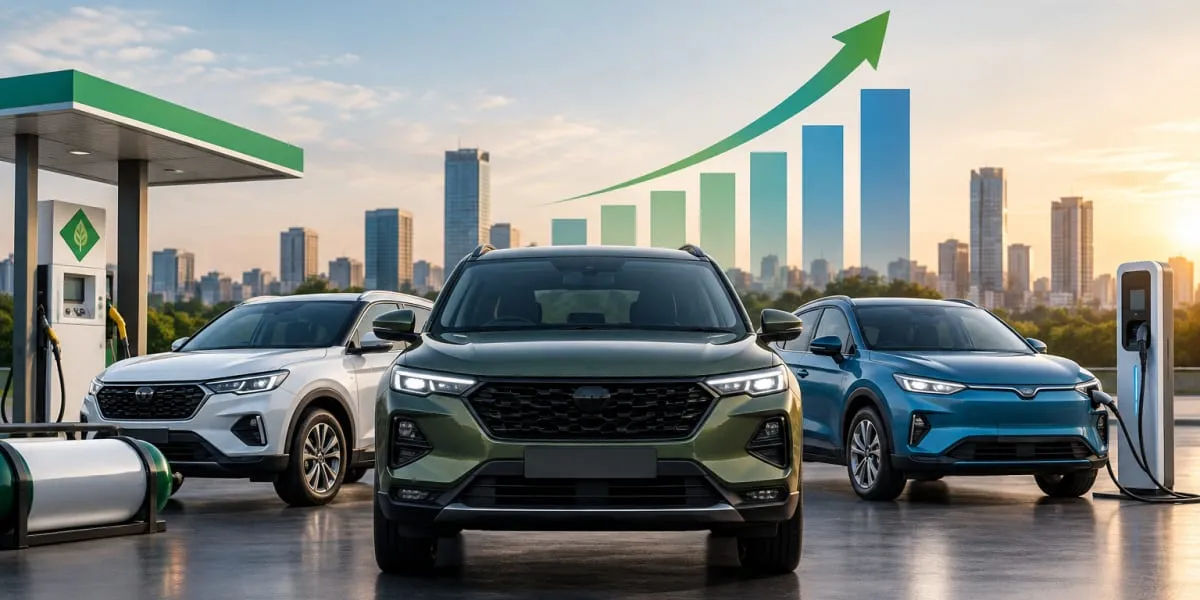
India's passenger vehicle (PV) market is shifting towards higher-priced models and alternative fuel technologies as consumers place greater emphasis on features, operating costs and efficiency. Deloitte India's latest Wheelwatch auto sector tracker found that the Rs. 1.2 mn-2 mn segment recorded the strongest sales growth in Q2 FY27, while electric vehicles (EVs) and compressed natural gas (CNG) models gained ground against petrol-powered vehicles.

The Rs. 1.2 mn-2 mn segment grew 33.6 per cent year on year in Q2 FY27 and increased its market share by 1.2 percentage points. The Rs. 0.7 mn-1.2 mn category, which accounts for nearly half of passenger vehicle sales in India, contracted 0.4 per cent. Deloitte linked the shift partly to improved affordability following the GST 2.0 changes, which encouraged buyers to consider more expensive models without entering the luxury segment.

Passenger vehicle wholesale volumes rose 30.7 per cent year on year to approximately 1.4 mn units during the quarter, accelerating from 25.9 per cent growth in Q1 FY27. Sub-compact and compact SUVs led the expansion, recording growth of 31 per cent and 53.1 per cent, respectively. Retail sales grew 22.2 per cent, pointing to a gap between manufacturer dispatches and customer purchases.

Petrol's share of registrations declined 2.8 percentage points sequentially to 42.6 per cent, while diesel, EVs and CNG increased their shares. EV registrations nearly doubled year on year to approximately 97,000 units, taking penetration to 6.7 per cent from 6 per cent in the previous quarter. CNG registrations rose about 50 per cent to 233,000 units and exceeded petrol volumes in Gujarat, Haryana, Maharashtra and Rajasthan.

Compact SUVs gained 3.3 percentage points in market share as manufacturers introduced feature-rich models with advanced infotainment and driver-assistance systems. Meanwhile, mid-size SUVs lost 1.9 percentage points amid competition from compact models and pre-owned premium vehicles. Dealer inventory increased from 33-35 days at the end of July to 43-45 days by September-end, nearly twice the recommended 21-day level, making inventory conversion important for sustained retail demand.

India's passenger vehicle (PV) market is shifting towards higher-priced models and alternative fuel technologies as consumers place greater emphasis on features, operating costs and efficiency. Deloitte India's latest Wheelwatch auto sector tracker found that the Rs. 1.2 mn-2 mn segment recorded the strongest sales growth in Q2 FY27, while electric vehicles (EVs) and compressed natural gas (CNG) models gained ground against petrol-powered vehicles. The Rs. 1.2 mn-2 mn segment grew 33.6 per cent year on year in Q2 FY27 and increased its market share by 1.2 percentage points. The Rs. 0.7 mn-1.2 mn category, which accounts for nearly half of passenger vehicle sales in India, contracted 0.4 per cent. Deloitte linked the shift partly to improved affordability following the GST 2.0 changes, which encouraged buyers to consider more expensive models without entering the luxury segment. Passenger vehicle wholesale volumes rose 30.7 per cent year on year to approximately 1.4 mn units during the quarter, accelerating from 25.9 per cent growth in Q1 FY27. Sub-compact and compact SUVs led the expansion, recording growth of 31 per cent and 53.1 per cent, respectively. Retail sales grew 22.2 per cent, pointing to a gap between manufacturer dispatches and customer purchases. Petrol's share of registrations declined 2.8 percentage points sequentially to 42.6 per cent, while diesel, EVs and CNG increased their shares. EV registrations nearly doubled year on year to approximately 97,000 units, taking penetration to 6.7 per cent from 6 per cent in the previous quarter. CNG registrations rose about 50 per cent to 233,000 units and exceeded petrol volumes in Gujarat, Haryana, Maharashtra and Rajasthan. Compact SUVs gained 3.3 percentage points in market share as manufacturers introduced feature-rich models with advanced infotainment and driver-assistance systems. Meanwhile, mid-size SUVs lost 1.9 percentage points amid competition from compact models and pre-owned premium vehicles. Dealer inventory increased from 33-35 days at the end of July to 43-45 days by September-end, nearly twice the recommended 21-day level, making inventory conversion important for sustained retail demand.

Related Stories

Gold Stories

Next Story
Equipment

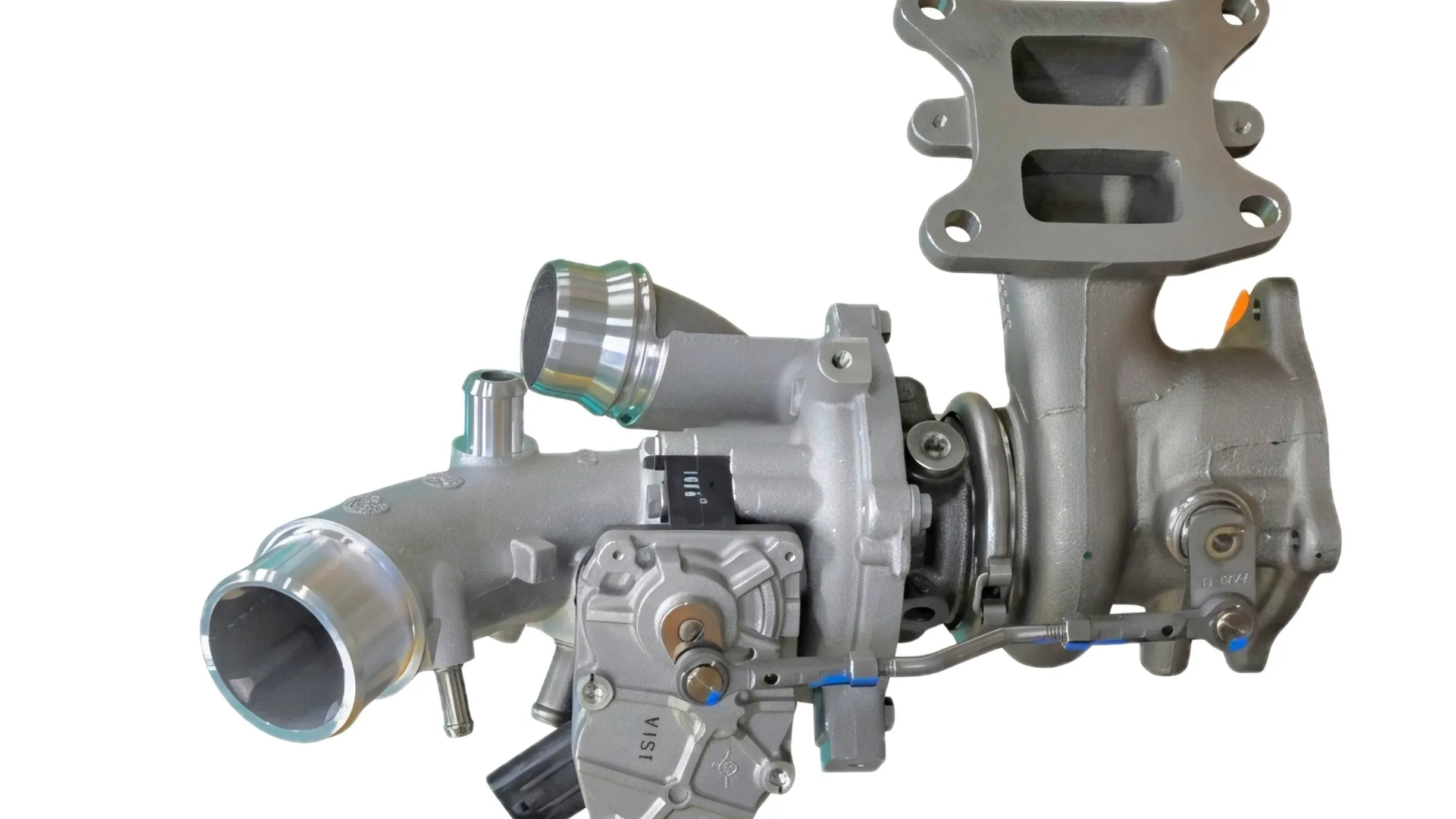
BorgWarner secures three turbocharger contracts with global powertrain leader

BorgWarner has secured three new turbocharger contracts with a global powertrain technology company. The wins comprise one contract for its variable turbine geometry (VTG) turbocharger and two for its wastegate turbocharger. The technologies will be deployed in the customer's light-vehicle gasoline platforms in South America and Europe, with production scheduled to begin in 2027.The VTG turbochargers are designed for gasoline engines operating under demanding conditions and high-boost pressure requirements. They are engineered to support Miller-cycle engines and withstand exhaust temperatures ..
Next Story
Infrastructure Transport

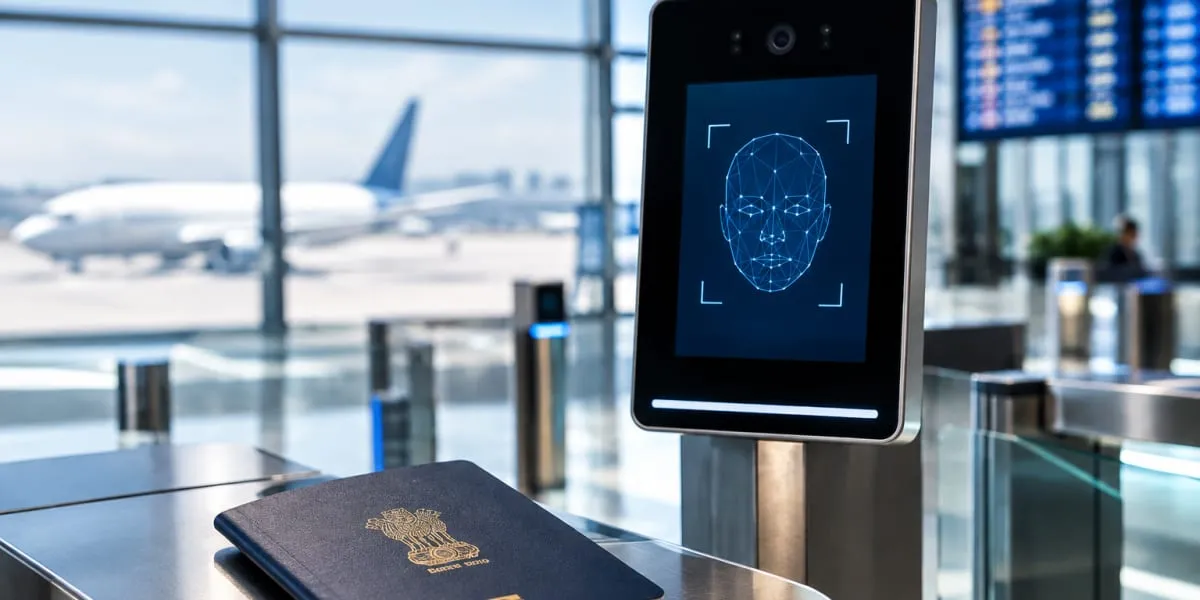
International Digi Yatra Trials Begin at Seven Airports

India has begun trials of Digi Yatra for international passengers at seven airports, allowing eligible Indian passport holders to use facial recognition at selected airport checkpoints. The facility is currently limited to Indian nationals with e-passports travelling on selected international flights operated by Air India and IndiGo. The Civil Aviation Ministry announced the trials on 1 November, with testing scheduled through December 2026. A wider rollout is expected in 2027 after the ministry assesses passenger feedback gathered during the trial period, according to PTI. The system is inten..

Next Story
Infrastructure Transport

Air India Plans More Wide-Body Jets, CEO Signals Profitability Soon

Air India is seeking to expand its order for wide-body aircraft as it works to increase international passenger traffic, chief executive Tewolde Gebremariam said on Tuesday. The Tata Group-owned carrier is also targeting a return to profitability in the near term, as its turnaround programme addresses fleet, network and service challenges. The comments came months after Gebremariam took charge of the airline. Gebremariam, who previously led Ethiopian Airlines, said the airline wanted more wide-body aircraft. Air India has held discussions with Boeing and Airbus while assessing the economics of..

Advertisement

Subscribe to Our Newsletter

Get daily newsletters around different themes from Construction world.

STAY CONNECTED

Advertisement

SPECIAL OFFER
QR Code