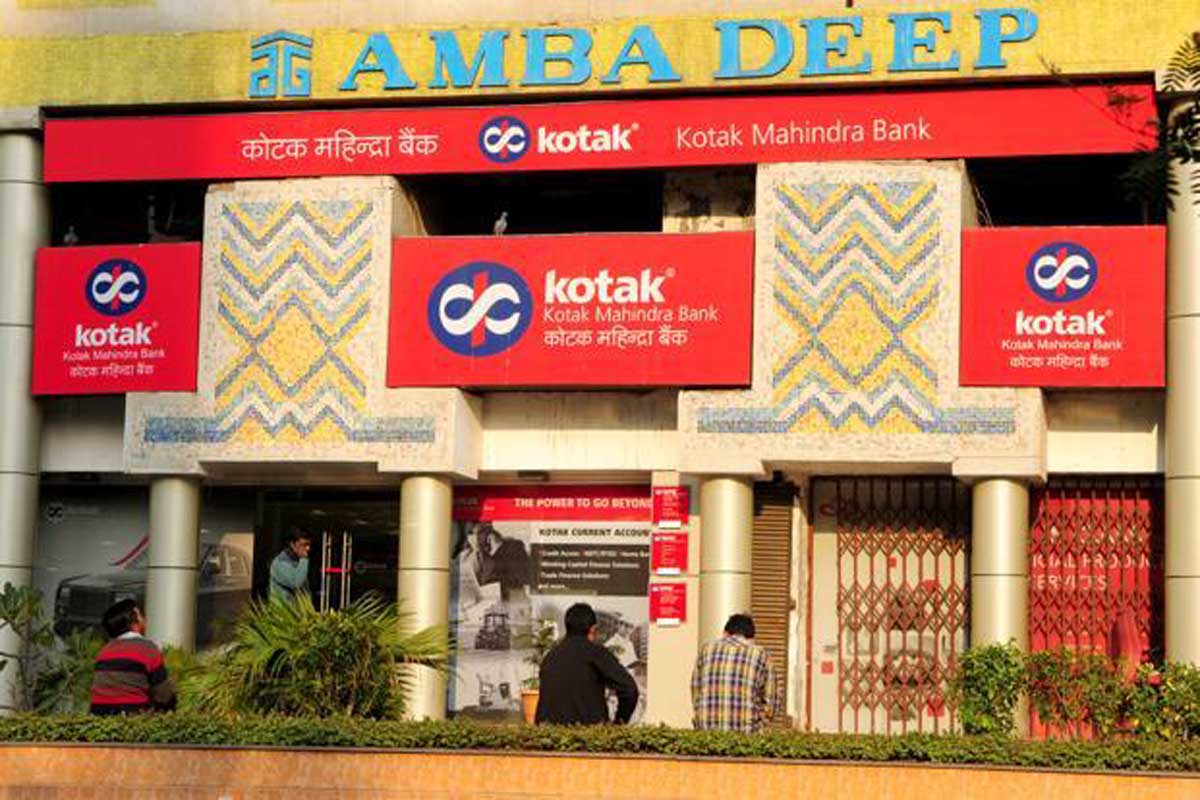
Kotak Mahindra Bank secures Rs 18.95 billion via infrastructure bonds
ECONOMY & POLICY

Kotak Mahindra Bank secures Rs 18.95 billion via infrastructure bonds

Kotak Mahindra Bank, a private-sector lender, announced that it had successfully raised Rs 18.95 billion by issuing seven-year infrastructure bonds. The purpose of these bonds was to provide funding for various sectors such as power, roads, and housing. The interest rate, or coupon, for the bonds was fixed at 7.55 percent. The bond issuance consisted of two parts: a base size of Rs 12.50 billion and a greenshoe option to retain an additional Rs 12.50 billion. The bank received bids totaling Rs 36.05 billion, but it accepted Rs 18.95 billion at the specified interest rate. This information was conveyed in a statement released by the bank. It is important to note that these bonds were given a rating of "AAA/Stable" by CRISIL, indicating their high quality and stability.

The bank's board of directors approved a plan to raise funds through bonds, with an upper limit of Rs 70 billion. These infrastructure bonds are considered long-term instruments and must have a minimum maturity period of seven years. Bond market dealers pointed out that the bank obtained a favourable price for its bonds due to a 7-8 basis points increase in the yield of government bonds over the past week. The majority of investors in the bonds were insurance companies and other institutions. Data from JM Financial Services revealed that the total funds raised by banks through infrastructure bonds decreased from around Rs 272 billion in FY22 to Rs 199 billion in FY23. State Bank of India (SBI) raised Rs 100 billion through infrastructure bonds, while ICICI Bank raised Rs 71 billion.

Also read:
Adani JV to finance data centres in Noida and Chennai
Odisha approves 15 key rural projects


Kotak Mahindra Bank, a private-sector lender, announced that it had successfully raised Rs 18.95 billion by issuing seven-year infrastructure bonds. The purpose of these bonds was to provide funding for various sectors such as power, roads, and housing. The interest rate, or coupon, for the bonds was fixed at 7.55 percent. The bond issuance consisted of two parts: a base size of Rs 12.50 billion and a greenshoe option to retain an additional Rs 12.50 billion. The bank received bids totaling Rs 36.05 billion, but it accepted Rs 18.95 billion at the specified interest rate. This information was conveyed in a statement released by the bank. It is important to note that these bonds were given a rating of AAA/Stable by CRISIL, indicating their high quality and stability. The bank's board of directors approved a plan to raise funds through bonds, with an upper limit of Rs 70 billion. These infrastructure bonds are considered long-term instruments and must have a minimum maturity period of seven years. Bond market dealers pointed out that the bank obtained a favourable price for its bonds due to a 7-8 basis points increase in the yield of government bonds over the past week. The majority of investors in the bonds were insurance companies and other institutions. Data from JM Financial Services revealed that the total funds raised by banks through infrastructure bonds decreased from around Rs 272 billion in FY22 to Rs 199 billion in FY23. State Bank of India (SBI) raised Rs 100 billion through infrastructure bonds, while ICICI Bank raised Rs 71 billion. Also read: Adani JV to finance data centres in Noida and Chennai Odisha approves 15 key rural projects

Next Story
Infrastructure Urban

India Expands Semiconductor Training To 500 Institutions

Under the Chips to Startups programme of the India Semiconductor Mission, the Union minister responsible for Railways, Information and Broadcasting, and Electronics and IT reported notable progress in talent development. He indicated that over the past four years substantial steps have been taken towards a 10-year target of training 85,000 engineers in semiconductor design. World-class EDA tools have been deployed in 315 academic institutions across the country to provide students with practical exposure to chip design. These EDA tools are supported by leading global firms and are accessible t..

Next Story
Infrastructure Urban

Delhi Institutions Support India Semiconductor Mission

The Government of India has prioritised talent development through training, upskilling and workforce development under the Chips to Startups initiative of the India Semiconductor Mission, with officials noting progress in four years towards a 10-year target of training 85,000 engineers in semiconductor design. Electronic design automation tools provided by Synopsys, Cadence, Siemens, Renesas, Ansys and AMD have been deployed in 315 academic institutions, enabling students to gain practical chip design experience. Chips have been fabricated and tested at the Semiconductor Laboratory, Mohali, a..

Next Story
Infrastructure Urban

NHA Announces Winners Of NHCX Hackathon At IIT Hyderabad

The National Health Authority (NHA) has concluded the NHCX Hackathon under the Ayushman Bharat Digital Mission (ABDM) to stimulate innovation around the National Health Claims Exchange (NHCX). The winning teams presented their solutions at the NHCX Innovation Meet held at IIT Hyderabad during a two-day event in March 2026 that also served as the hackathon grand finale. The hackathon itself ran from 22 to 28 February 2026 and aimed to accelerate paperless, transparent claims processing across India. The event was organised with a range of ecosystem partners, including the Insurance Regulatory a..

Advertisement

Subscribe to Our Newsletter

Get daily newsletters around different themes from Construction world.

STAY CONNECTED

Advertisement

Advertisement

Advertisement