Manoj Ceramics begins operations at new cutting and polishing unit
ECONOMY & POLICY

Manoj Ceramics begins operations at new cutting and polishing unit

Manoj Ceramics Limited (INE0A6N01026), a leading player in the ceramic and tiles industry, has begun operations of its newly installed cutting and polishing machinery for natural and artificial stones.

This strategic move marks a key milestone in the company’s transition from a trading and design-led enterprise to a manufacturing-oriented model, enhancing its value chain, product portfolio, and profit margins.

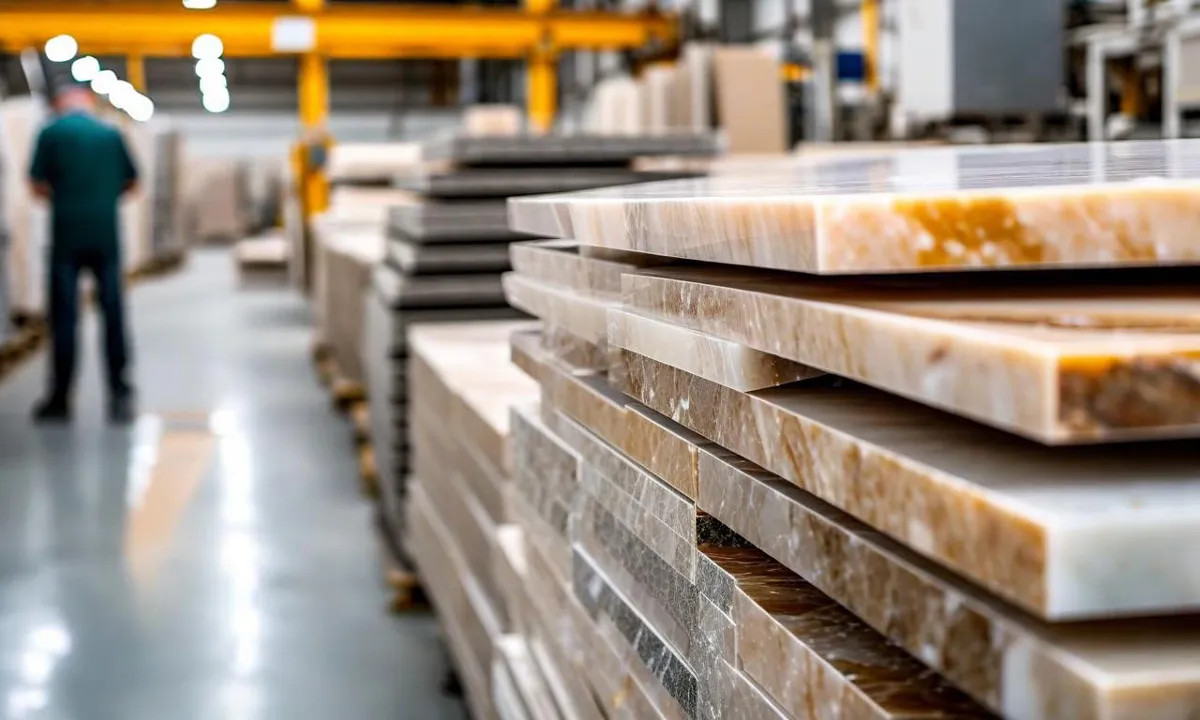
The advanced facility, located at MCPL’s Upper Thane store, enables in-house processing of marbles, granites, quartz stones, and large-format tiles. By integrating these processes, the company aims to strengthen supply chain efficiency and capture additional revenue streams through value-added finishing, premium services, and faster project delivery for both domestic and export markets.

Cutting Facility: Enhancing Efficiency and Scale

The new setup allows precision cutting of 15 mm full-body slab tiles and 20 mm quartz stones, enabling the production of custom slab sizes suited to architectural and institutional projects.

In-house processing of Indian marbles and granites—previously outsourced—reduces third-party reliance, improving margins and cost efficiency.

The advanced edge-cutting system, capable of handling slab lengths up to 12 feet, positions MCPL among the few in the industry equipped to cater to high-end commercial projects and B2B contracts.

The unit is expected to boost topline growth, increase participation in large projects, and improve gross margins by cutting down procurement and logistics expenses linked to external processing.

Polishing Facility: Elevating Product Quality

The polishing unit is equipped to handle imported and Indian marbles and granites, delivering mirror, leather, matt, and river finishes that enhance product appeal in both luxury and export segments.

With the ability to process slabs up to 12 feet by 6 feet, one of the largest in the sector, the plant supports faster turnaround times and higher throughput efficiency.

The addition of this facility allows MCPL to offer end-to-end surface solutions, improving operational flexibility and enabling incremental revenue growth from premium interior and infrastructure projects.

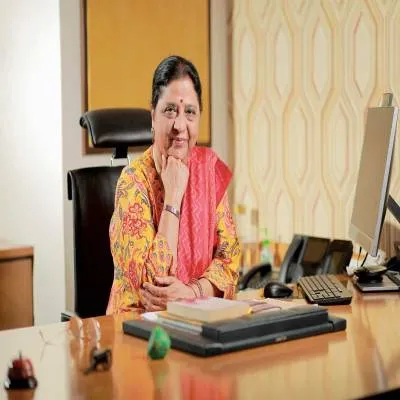
Commenting on the milestone, Mr Dhruv Rakhasiya, Managing Director of Manoj Ceramics Limited, said:

“The commissioning of our in-house cutting and polishing facility marks a pivotal step in our journey towards manufacturing-led value creation. This initiative enhances our control over quality, pricing, and timelines while delivering direct margin improvements.

We remain committed to achieving our targeted 25–30 per cent CAGR over the next three years, supported by strong EBITDA growth, greater efficiency, and enhanced competitiveness across our supply chain. This development represents a new chapter of self-sufficiency, innovation, and sustainable growth for Manoj Ceramics.”

Manoj Ceramics Limited (INE0A6N01026), a leading player in the ceramic and tiles industry, has begun operations of its newly installed cutting and polishing machinery for natural and artificial stones. This strategic move marks a key milestone in the company’s transition from a trading and design-led enterprise to a manufacturing-oriented model, enhancing its value chain, product portfolio, and profit margins. The advanced facility, located at MCPL’s Upper Thane store, enables in-house processing of marbles, granites, quartz stones, and large-format tiles. By integrating these processes, the company aims to strengthen supply chain efficiency and capture additional revenue streams through value-added finishing, premium services, and faster project delivery for both domestic and export markets. Cutting Facility: Enhancing Efficiency and Scale The new setup allows precision cutting of 15 mm full-body slab tiles and 20 mm quartz stones, enabling the production of custom slab sizes suited to architectural and institutional projects. In-house processing of Indian marbles and granites—previously outsourced—reduces third-party reliance, improving margins and cost efficiency. The advanced edge-cutting system, capable of handling slab lengths up to 12 feet, positions MCPL among the few in the industry equipped to cater to high-end commercial projects and B2B contracts. The unit is expected to boost topline growth, increase participation in large projects, and improve gross margins by cutting down procurement and logistics expenses linked to external processing. Polishing Facility: Elevating Product Quality The polishing unit is equipped to handle imported and Indian marbles and granites, delivering mirror, leather, matt, and river finishes that enhance product appeal in both luxury and export segments. With the ability to process slabs up to 12 feet by 6 feet, one of the largest in the sector, the plant supports faster turnaround times and higher throughput efficiency. The addition of this facility allows MCPL to offer end-to-end surface solutions, improving operational flexibility and enabling incremental revenue growth from premium interior and infrastructure projects. Commenting on the milestone, Mr Dhruv Rakhasiya, Managing Director of Manoj Ceramics Limited, said: “The commissioning of our in-house cutting and polishing facility marks a pivotal step in our journey towards manufacturing-led value creation. This initiative enhances our control over quality, pricing, and timelines while delivering direct margin improvements. We remain committed to achieving our targeted 25–30 per cent CAGR over the next three years, supported by strong EBITDA growth, greater efficiency, and enhanced competitiveness across our supply chain. This development represents a new chapter of self-sufficiency, innovation, and sustainable growth for Manoj Ceramics.”

Next Story
Real Estate

AI: The New Recruit

From getting ideas to evaluating designs, presenting concepts to clients and tracking projects, artificial intelligence (AI) is helping architects work better and faster.“AI allows architects to spend more time doing what only they can do: think critically, synthesise complexity and design with intent,” says Dikshu C Kukreja, Managing Principal, CP Kukreja Architects. “Every minute reclaimed from repetitive processes can be invested in creativity, contextual understanding, interdisciplinary collaboration and innovation – the qualities that define meaningful architecture.”To read the ..

Next Story
Real Estate

Redevelopment 2.0

In 2017, Mumbai identified 160,000 ageing buildings due for structural audit. Close to half of these were in the Western Suburbs. Redeveloping the oldest and structurally weakest of these would help unlock new housing, much needed given the city’s growing population density and constant developed area of 437.7 sq km. At 30,600 people per sq km in 2024, Mumbai’s density was almost thrice that of Gurugram, and 60 per cent higher than Bengaluru’s.Essentially, Mumbai’s realty market has demand. It has capital. It has realty development potential.Fast forward to 2026. Mumbai has 1,094 regis..

Next Story
Technology

Cost intelligence will become a strategic contributor to project success

As India's construction industry accelerates its digital transformation, integrated platforms, AI and connected data are becoming essential to improving cost certainty, project efficiency and sustainability. Ravi Kumar, Sales Director – India, RIB Software India, shares how digital workflows are reshaping project planning, commercial management and decision-making across the construction value chain.India's construction sector is embracing digital technologies at an unprecedented pace. From your perspective, what are the biggest shifts driving this transformation and how is RIB Software enab..

Advertisement

Subscribe to Our Newsletter

Get daily newsletters around different themes from Construction world.

STAY CONNECTED

Advertisement

Advertisement

Advertisement