MSME Pushes Tech Upgrade for Stronger Small Businesses
ECONOMY & POLICY

MSME Pushes Tech Upgrade for Stronger Small Businesses

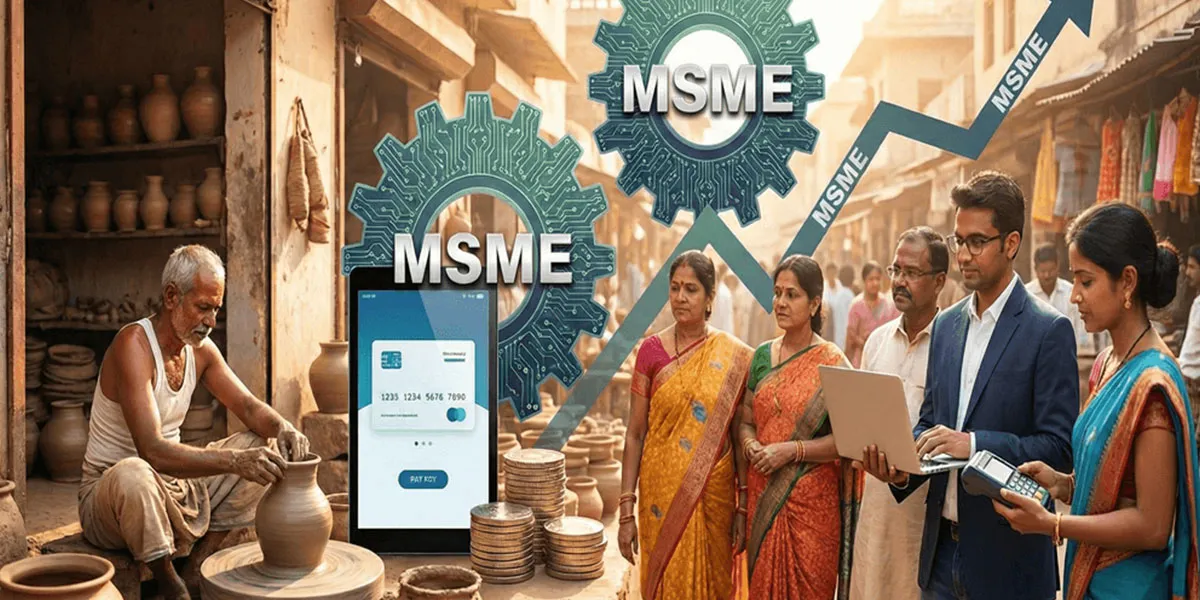
The Ministry of Micro, Small and Medium Enterprises (MSME) is advancing nationwide technology upgradation and digitalisation for small enterprises through a range of schemes designed to modernise operations and strengthen competitiveness. Key initiatives include the MSE-Cluster Development Programme, which supports Common Facility Centres, alongside the network of Tool Rooms and Technology Centres. The Ministry is also implementing the Green Investment Financing for Transformation (GIFT) Scheme and the MSME Champions Scheme, each intended to enhance skills, improve quality, support green technology adoption and widen access to advanced manufacturing systems.

To accelerate digital transformation, the Government has introduced platforms such as the Udyam Portal, MSME Champions Portal, Government e-Marketplace (GeM), the Trade Receivables Discounting System (TReDS), MSME Mart, MSME SAMBANDH and the Online Dispute Resolution (ODR) portal. These initiatives streamline digital registration, online procurement, e-market accessibility, receivable financing and grievance redressal, helping small firms operate more efficiently.

The Ministry is also expanding its technical support network through the ‘Establishment of New Technology Centres/Extension Centres’ scheme, under which 20 Technology Centres and 100 Extension Centres are being set up across India. The expansion is aimed at improving local access to technology solutions, skilled manpower and advisory services, thereby strengthening competitiveness at the grassroots level. Approved locations include two centres in aspirational districts—Gaya in Bihar and Bokaro in Jharkhand.

In addition, the Ministry has created 65 Export Facilitation Centres (EFCs) within its field organisations, including MSME Development and Facilitation Offices, Technology Centres and Testing Centres. These EFCs provide mentoring and guidance to help small enterprises improve export readiness and enhance their global competitiveness.

This information was shared by the Minister of State for Micro, Small and Medium Enterprises, Sushri Shobha Karandlaje, in a written response in the Lok Sabha.

The Ministry of Micro, Small and Medium Enterprises (MSME) is advancing nationwide technology upgradation and digitalisation for small enterprises through a range of schemes designed to modernise operations and strengthen competitiveness. Key initiatives include the MSE-Cluster Development Programme, which supports Common Facility Centres, alongside the network of Tool Rooms and Technology Centres. The Ministry is also implementing the Green Investment Financing for Transformation (GIFT) Scheme and the MSME Champions Scheme, each intended to enhance skills, improve quality, support green technology adoption and widen access to advanced manufacturing systems. To accelerate digital transformation, the Government has introduced platforms such as the Udyam Portal, MSME Champions Portal, Government e-Marketplace (GeM), the Trade Receivables Discounting System (TReDS), MSME Mart, MSME SAMBANDH and the Online Dispute Resolution (ODR) portal. These initiatives streamline digital registration, online procurement, e-market accessibility, receivable financing and grievance redressal, helping small firms operate more efficiently. The Ministry is also expanding its technical support network through the ‘Establishment of New Technology Centres/Extension Centres’ scheme, under which 20 Technology Centres and 100 Extension Centres are being set up across India. The expansion is aimed at improving local access to technology solutions, skilled manpower and advisory services, thereby strengthening competitiveness at the grassroots level. Approved locations include two centres in aspirational districts—Gaya in Bihar and Bokaro in Jharkhand. In addition, the Ministry has created 65 Export Facilitation Centres (EFCs) within its field organisations, including MSME Development and Facilitation Offices, Technology Centres and Testing Centres. These EFCs provide mentoring and guidance to help small enterprises improve export readiness and enhance their global competitiveness. This information was shared by the Minister of State for Micro, Small and Medium Enterprises, Sushri Shobha Karandlaje, in a written response in the Lok Sabha.

Next Story
Infrastructure Urban

Powerplay Rolls Out Procurement-Linked Credit for Contractors

Powerplay has announced the launch of Powerplay Credit, a project-linked working capital solution aimed at easing cash flow pressures faced by contractors during active construction execution. The solution has gone live across key markets in South India, with a wider national rollout planned for 2026.The launch comes amid rising activity in India’s construction sector across infrastructure, housing, industrial corridors, renewable energy and urban redevelopment. Contractors executing large corporate and government projects often face extended payment cycles, stage-based billing and delayed r..

Next Story
Infrastructure Urban

Jyoti Structures Commissions Galvanisation at Second Nashik Unit

Jyoti Structures has commissioned galvanisation operations at its second tower manufacturing unit in Nashik, strengthening its in-house capabilities across critical stages of power transmission infrastructure production. The listed Engineering, Procurement and Construction (EPC) company operates globally and has delivered projects for customers across more than 50 countries.The second Nashik unit, with an annual manufacturing capacity of 36,000 metric tonnes, has become operational following the completion of installation, testing and readiness of the new galvanising facilities. With this deve..

Next Story
Infrastructure Energy

Rosatom Connects First Kursk NPP-2 Unit to National Grid

Rosatom has launched the first power unit of the Kursk Nuclear Power Plant-2 (Kursk NPP-2) into Russia’s Unified Energy System, marking a key milestone in the country’s nuclear energy programme. The initial grid connection took place at the end of the year, bringing a new source of low-carbon electricity online for the Kursk region and the broader Central Energy System.The newly commissioned unit is the first implementation of the VVER-TOI reactor design, which incorporates advanced safety and performance features. With an installed capacity of 1,250 MW, it is the most powerful nuclear pow..

Advertisement

Subscribe to Our Newsletter

Get daily newsletters around different themes from Construction world.

STAY CONNECTED

Advertisement

Advertisement

Advertisement

Advertisement

Open In App