




Panaji Launches Smart Transit Card and Tummoc App
ECONOMY & POLICY

Panaji Launches Smart Transit Card and Tummoc App

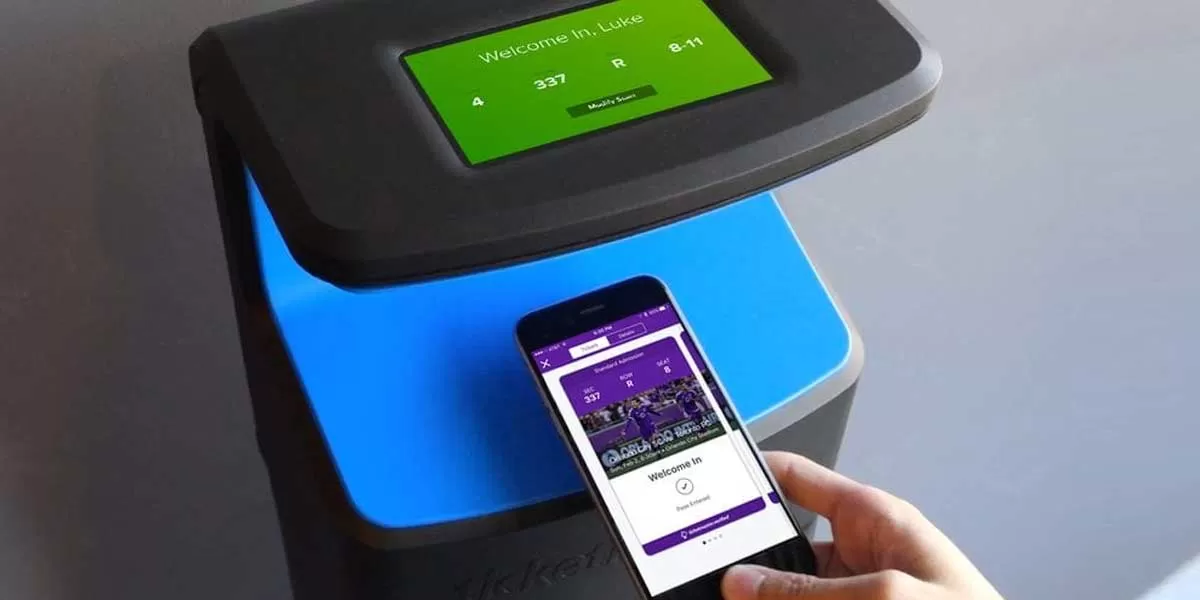
The launch of the Smart Transit Card (STC) and the Tummoc travel-aid app marks a significant leap toward paperless ticketing for Panaji's e-bus commuters. From Thursday, users can simply tap their cards to board and alight, as part of the Smart City initiative led by Imagine Panaji Smart City Development Limited (IPSCDL) and Kadamba Transport Corporation Ltd (KTCL).

The STC, available for a one-time payment of Rs 150, includes an initial top-up value of Rs 75 for the first 500 commuters. The card, with lifetime validity and online recharge capability, currently supports Smart City EVs within Panaji. KTCL MD Derek Pereira Neto confirmed that after August 31, the card will also be compatible with KTC and Kadamba buses, with plans to extend usage throughout Goa.

Special concession passes for students, senior citizens, and individuals with cancer or HIV will be available soon, enhancing accessibility. IPSCDL CEO Sanjit Rodrigues highlighted the Tummoc app's trip planner feature, allowing users to book tickets seamlessly and use QR-code validation for added convenience.

The project aims to integrate local transit systems, with the STC expected to eventually be usable across all KTCL buses. Rodrigues mentioned that 161 bus stops are part of the Smart City project, with 35 bus shelters planned for high-footfall areas due to land constraints. A dedicated bus corridor in Panaji is not feasible at this time, but efforts are underway to address bus delays through documentation and collaboration with local authorities.

Rodrigues also addressed concerns about Panaji's road conditions, stating that a presentation will be made to the government to prioritize drainage systems before road construction. Additionally, technology will be utilized for laying sewerage pipelines along the Taad Maad Temple to the Tonca STP stretch.

The launch of the Smart Transit Card (STC) and the Tummoc travel-aid app marks a significant leap toward paperless ticketing for Panaji's e-bus commuters. From Thursday, users can simply tap their cards to board and alight, as part of the Smart City initiative led by Imagine Panaji Smart City Development Limited (IPSCDL) and Kadamba Transport Corporation Ltd (KTCL). The STC, available for a one-time payment of Rs 150, includes an initial top-up value of Rs 75 for the first 500 commuters. The card, with lifetime validity and online recharge capability, currently supports Smart City EVs within Panaji. KTCL MD Derek Pereira Neto confirmed that after August 31, the card will also be compatible with KTC and Kadamba buses, with plans to extend usage throughout Goa. Special concession passes for students, senior citizens, and individuals with cancer or HIV will be available soon, enhancing accessibility. IPSCDL CEO Sanjit Rodrigues highlighted the Tummoc app's trip planner feature, allowing users to book tickets seamlessly and use QR-code validation for added convenience. The project aims to integrate local transit systems, with the STC expected to eventually be usable across all KTCL buses. Rodrigues mentioned that 161 bus stops are part of the Smart City project, with 35 bus shelters planned for high-footfall areas due to land constraints. A dedicated bus corridor in Panaji is not feasible at this time, but efforts are underway to address bus delays through documentation and collaboration with local authorities. Rodrigues also addressed concerns about Panaji's road conditions, stating that a presentation will be made to the government to prioritize drainage systems before road construction. Additionally, technology will be utilized for laying sewerage pipelines along the Taad Maad Temple to the Tonca STP stretch.

Next Story
Infrastructure Urban

India Expands Semiconductor Training To 500 Institutions

Under the Chips to Startups programme of the India Semiconductor Mission, the Union minister responsible for Railways, Information and Broadcasting, and Electronics and IT reported notable progress in talent development. He indicated that over the past four years substantial steps have been taken towards a 10-year target of training 85,000 engineers in semiconductor design. World-class EDA tools have been deployed in 315 academic institutions across the country to provide students with practical exposure to chip design. These EDA tools are supported by leading global firms and are accessible t..

Next Story
Infrastructure Urban

Delhi Institutions Support India Semiconductor Mission

The Government of India has prioritised talent development through training, upskilling and workforce development under the Chips to Startups initiative of the India Semiconductor Mission, with officials noting progress in four years towards a 10-year target of training 85,000 engineers in semiconductor design. Electronic design automation tools provided by Synopsys, Cadence, Siemens, Renesas, Ansys and AMD have been deployed in 315 academic institutions, enabling students to gain practical chip design experience. Chips have been fabricated and tested at the Semiconductor Laboratory, Mohali, a..

Next Story
Infrastructure Urban

NHA Announces Winners Of NHCX Hackathon At IIT Hyderabad

The National Health Authority (NHA) has concluded the NHCX Hackathon under the Ayushman Bharat Digital Mission (ABDM) to stimulate innovation around the National Health Claims Exchange (NHCX). The winning teams presented their solutions at the NHCX Innovation Meet held at IIT Hyderabad during a two-day event in March 2026 that also served as the hackathon grand finale. The hackathon itself ran from 22 to 28 February 2026 and aimed to accelerate paperless, transparent claims processing across India. The event was organised with a range of ecosystem partners, including the Insurance Regulatory a..

Advertisement

Subscribe to Our Newsletter

Get daily newsletters around different themes from Construction world.

STAY CONNECTED

Advertisement

Advertisement

Advertisement















