



Plan Underway to Overhaul Goods and Urban Transport
ECONOMY & POLICY

Plan Underway to Overhaul Goods and Urban Transport

A comprehensive plan is in motion to revamp both goods and urban transportation systems, aiming to enhance efficiency, sustainability, and connectivity in India's transport sector. This initiative reflects a proactive approach towards modernising transportation infrastructure and addressing the evolving needs of industries and urban communities across the country.

The proposed overhaul of goods and urban transport is driven by the recognition of the critical role these sectors play in facilitating economic growth, trade, and urban development. By implementing strategic reforms and infrastructure upgrades, the plan seeks to optimise logistics operations, reduce transportation costs, and improve last-mile connectivity in urban areas.

Key components of the plan include the modernisation of freight corridors, development of multimodal transport hubs, and promotion of sustainable transport solutions such as electric vehicles and green logistics practices. These measures are aimed at streamlining the movement of goods and enhancing connectivity between production centres, distribution hubs, and consumer markets.

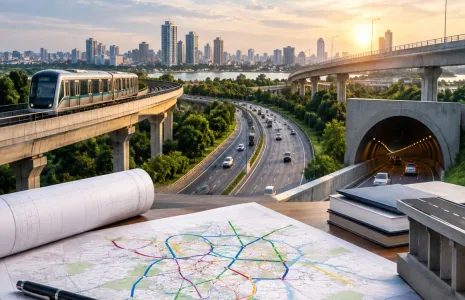
In addition to goods transport, the plan also focuses on transforming urban transportation systems to address congestion, pollution, and accessibility challenges in India's growing cities. Initiatives such as the expansion of metro rail networks, implementation of bus rapid transit systems, and promotion of non-motorised transport options are envisaged to improve mobility and enhance the quality of life for urban residents.

Furthermore, the plan emphasises the adoption of digital technologies and data-driven solutions to optimise transport operations, enhance safety and security, and provide real-time information to users. By harnessing the power of technology, the transportation sector can become more efficient, resilient, and responsive to the evolving needs of users and stakeholders.

The proposed overhaul of goods and urban transport represents a significant opportunity to modernise India's transportation infrastructure and align it with global best practices. Through collaboration between government agencies, private sector stakeholders, and civil society, the plan aims to catalyse investments, promote innovation, and drive sustainable growth in the transport sector.

In conclusion, the plan to revamp goods and urban transportation systems underscores India's commitment to fostering a more efficient, sustainable, and inclusive transport ecosystem. By addressing infrastructure bottlenecks, promoting multimodal connectivity, and embracing digitalisation, the initiative aims to unlock the full potential of India's transport sector and support the country's socio-economic development goals.

A comprehensive plan is in motion to revamp both goods and urban transportation systems, aiming to enhance efficiency, sustainability, and connectivity in India's transport sector. This initiative reflects a proactive approach towards modernising transportation infrastructure and addressing the evolving needs of industries and urban communities across the country. The proposed overhaul of goods and urban transport is driven by the recognition of the critical role these sectors play in facilitating economic growth, trade, and urban development. By implementing strategic reforms and infrastructure upgrades, the plan seeks to optimise logistics operations, reduce transportation costs, and improve last-mile connectivity in urban areas. Key components of the plan include the modernisation of freight corridors, development of multimodal transport hubs, and promotion of sustainable transport solutions such as electric vehicles and green logistics practices. These measures are aimed at streamlining the movement of goods and enhancing connectivity between production centres, distribution hubs, and consumer markets. In addition to goods transport, the plan also focuses on transforming urban transportation systems to address congestion, pollution, and accessibility challenges in India's growing cities. Initiatives such as the expansion of metro rail networks, implementation of bus rapid transit systems, and promotion of non-motorised transport options are envisaged to improve mobility and enhance the quality of life for urban residents. Furthermore, the plan emphasises the adoption of digital technologies and data-driven solutions to optimise transport operations, enhance safety and security, and provide real-time information to users. By harnessing the power of technology, the transportation sector can become more efficient, resilient, and responsive to the evolving needs of users and stakeholders. The proposed overhaul of goods and urban transport represents a significant opportunity to modernise India's transportation infrastructure and align it with global best practices. Through collaboration between government agencies, private sector stakeholders, and civil society, the plan aims to catalyse investments, promote innovation, and drive sustainable growth in the transport sector. In conclusion, the plan to revamp goods and urban transportation systems underscores India's commitment to fostering a more efficient, sustainable, and inclusive transport ecosystem. By addressing infrastructure bottlenecks, promoting multimodal connectivity, and embracing digitalisation, the initiative aims to unlock the full potential of India's transport sector and support the country's socio-economic development goals.

Next Story
Infrastructure Transport

MMRDA advances 250 m on Orange Gate–Marine Drive tunnel

The Mumbai Metropolitan Region Development Authority (MMRDA) has completed 250 m of underground tunnelling for the Orange Gate–Marine Drive Urban Road Tunnel using India’s largest slurry shield tunnel boring machine (TBM) deployed for an urban road project.The project involves twin tunnels extending over 7 km beneath critical transport corridors, including Central Railway, Western Railway and Metro Line 3. The work requires high-precision engineering to navigate densely developed urban infrastructure.Once completed, the tunnel is expected to reduce travel time between Orange Gate and Marin..

Next Story
Infrastructure Urban

Hindustan Zinc Pays Rs 188.46 Billion in FY26

Hindustan Zinc contributed Rs 188.46 billion to the public exchequer in FY 2025-26, according to its 9th Tax Transparency Report. The contribution, equivalent to 46 per cent of the company’s revenue, included direct and indirect taxes, government royalties, dividends to the Government of India, withholding taxes and other statutory levies.The company’s five-year cumulative contribution to the exchequer stood at Rs 915.72 billion. In FY26, Hindustan Zinc reported revenue of Rs 408.44 billion, EBITDA of Rs 221.62 billion and profit after tax of Rs 138.32 billion. It also achieved its highest..

Next Story
Infrastructure Urban

World of Concrete India 2026 Opens in Mumbai

Informa Markets in India will host the 12th edition of World of Concrete India 2026 from 3–5 June 2026 at the Bombay Exhibition Centre, Mumbai. The specialised B2B exhibition will bring together manufacturers, suppliers, contractors, developers, architects, consultants, infrastructure companies, project leaders and government stakeholders.The event is expected to feature over 350 brands and more than 18,000 trade professionals. It will cover concrete and cement, dry mortar, precast technologies, formwork, construction chemicals, industrial and commercial flooring, scaffolding, safety solutio..

Advertisement

Subscribe to Our Newsletter

Get daily newsletters around different themes from Construction world.

STAY CONNECTED

Advertisement

Advertisement

Advertisement