PMPML Seeks Land For New Bus Depots In Pune, PCMC
ECONOMY & POLICY

PMPML Seeks Land For New Bus Depots In Pune, PCMC

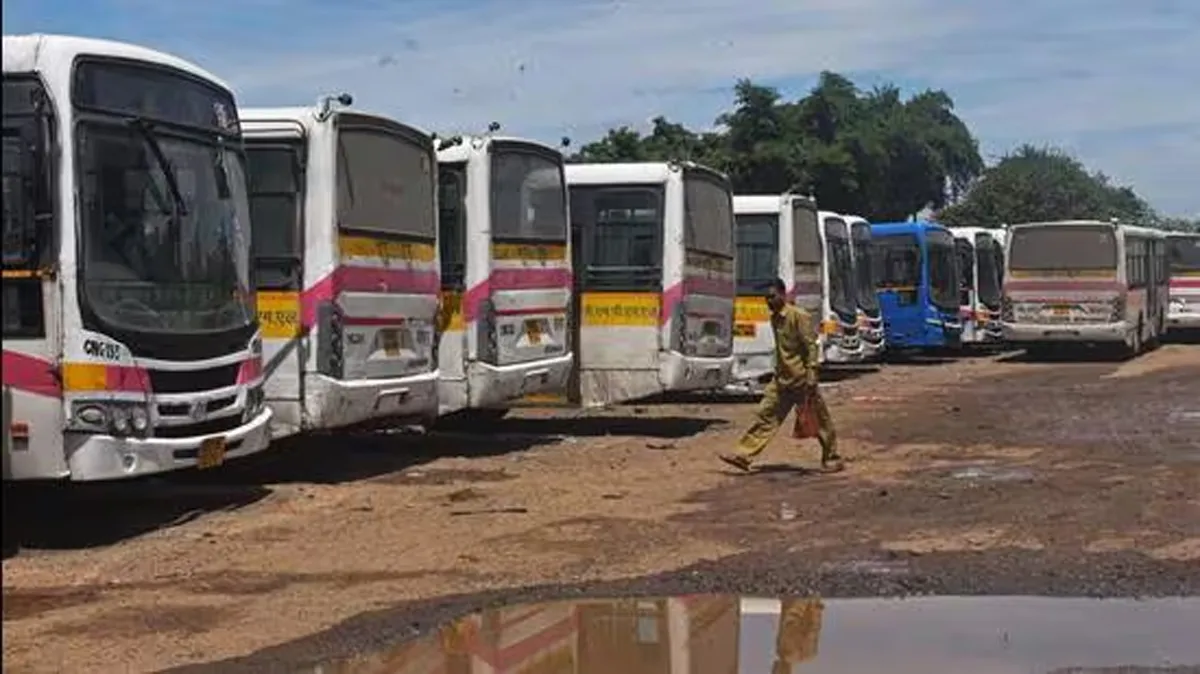
The Pune Mahanagar Parivahan Mahamandal Limited (PMPML) has urged the Pune Municipal Corporation (PMC) and Pimpri-Chinchwad Municipal Corporation (PCMC) to allot reserved plots within city limits for constructing bus depots, as its expanding fleet faces a severe shortage of parking and maintenance space.
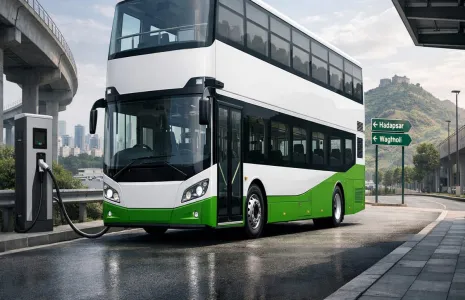
In a formal communication, PMPML stated that if the reserved lands are handed over promptly, the transport body can develop modern depots equipped with fuelling stations, e-bus charging facilities, and maintenance infrastructure. Failure to secure these spaces, the agency warned, would make managing the growing fleet increasingly difficult, leading to service delays and disruptions for commuters.
A senior PMPML official said, “Our bus fleet is expanding rapidly to meet passenger demand. However, without proper depot facilities, the efficiency and quality of service will be severely affected. We have appealed to both municipal corporations to urgently allocate the reserved spaces.”
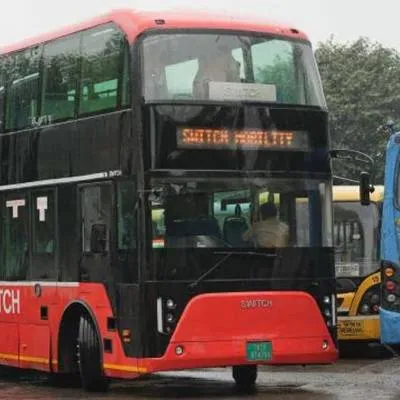
At present, PMPML operates around 2,200 buses, with plans to add another 2,400 vehicles in the coming years. The first phase includes the induction of 1,000 new CNG buses and 300 electric buses, followed by additional vehicles under government-supported schemes. While the expansion will help meet Pune’s rising demand for sustainable public transport, it has created an immediate challenge of parking and depot management.
Officials noted that although the development plans (DPs) of Pune and Pimpri-Chinchwad earmark several plots for bus depots, many have been encroached upon, diverted for other purposes, or remain unused. The PMPML has requested both civic bodies to take decisive action and release the reserved lands to ensure smooth fleet operations and prevent logistical bottlenecks.
The transport body’s request aligns with its modernisation and expansion drive, which includes plans for eco-friendly bus infrastructure, improved fleet management systems, and enhanced service reliability for daily commuters across the Pune Metropolitan Region.

The Pune Mahanagar Parivahan Mahamandal Limited (PMPML) has urged the Pune Municipal Corporation (PMC) and Pimpri-Chinchwad Municipal Corporation (PCMC) to allot reserved plots within city limits for constructing bus depots, as its expanding fleet faces a severe shortage of parking and maintenance space.In a formal communication, PMPML stated that if the reserved lands are handed over promptly, the transport body can develop modern depots equipped with fuelling stations, e-bus charging facilities, and maintenance infrastructure. Failure to secure these spaces, the agency warned, would make managing the growing fleet increasingly difficult, leading to service delays and disruptions for commuters.A senior PMPML official said, “Our bus fleet is expanding rapidly to meet passenger demand. However, without proper depot facilities, the efficiency and quality of service will be severely affected. We have appealed to both municipal corporations to urgently allocate the reserved spaces.”At present, PMPML operates around 2,200 buses, with plans to add another 2,400 vehicles in the coming years. The first phase includes the induction of 1,000 new CNG buses and 300 electric buses, followed by additional vehicles under government-supported schemes. While the expansion will help meet Pune’s rising demand for sustainable public transport, it has created an immediate challenge of parking and depot management.Officials noted that although the development plans (DPs) of Pune and Pimpri-Chinchwad earmark several plots for bus depots, many have been encroached upon, diverted for other purposes, or remain unused. The PMPML has requested both civic bodies to take decisive action and release the reserved lands to ensure smooth fleet operations and prevent logistical bottlenecks.The transport body’s request aligns with its modernisation and expansion drive, which includes plans for eco-friendly bus infrastructure, improved fleet management systems, and enhanced service reliability for daily commuters across the Pune Metropolitan Region.

Next Story
Infrastructure Transport

Pune To Build Nine Km Link Road Between Highways

The Pune Municipal Corporation (PMC) has decided to appoint an expert to plan the development of a nine km long, 60 metre wide road from Khadi Machine chowk to Wadki chowk as an extension to the Katraj-Kondhwa road to link the Mumbai-Satara and Pune-Solapur national highways. The scheme is intended to divert heavy vehicle traffic away from the city and improve access between the two arterial routes. The project has been prioritised by the PMC and forms part of a larger set of schemes in which 19 roads have been identified for development at a combined cost of Rs 9.82 billion (bn) to address c..

Next Story
Infrastructure Transport

Barabanki Bahraich Six Lane Highway Approved in Uttar Pradesh

The Uttar Pradesh government has approved construction of a new six-lane highway linking Barabanki and Bahraich as part of National Highway 927, and the cabinet has cleared the project. The alignment will pass through Mustafabad and Kaiserganj and extend for about 101.5 km, creating a key corridor for local and long-distance movement. The National Highways Authority of India will oversee the work and has signalled the scheme is intended to strengthen regional connectivity and cross-border access to Nepal. The project carries an estimated total cost of Rs 69,690 million, equivalent to Rs 69.69..

Next Story
Infrastructure Transport

Toll At Kharegaon Likely As Highway Upgrade Nears Completion

A section of the highway at Kharegaon has undergone an upgrade and is approaching completion, and authorities have indicated plans for a toll to be introduced once works finish. The project has focused on strengthening the carriageway, improving drainage and upgrading intersections to enhance safety and capacity. Officials have said the toll will be used to recover construction costs and fund ongoing maintenance. The upgrade included resurfacing of the pavement, widening of certain stretches and installation of modern signage and lighting to reduce accident risk. Contractors completed most ma..

Advertisement

Subscribe to Our Newsletter

Get daily newsletters around different themes from Construction world.

STAY CONNECTED

Advertisement

Advertisement

Advertisement