+
Synergy Marine Takes Technical Control Of Two Yang Ming LNG Vessels
ECONOMY & POLICY

Synergy Marine Takes Technical Control Of Two Yang Ming LNG Vessels

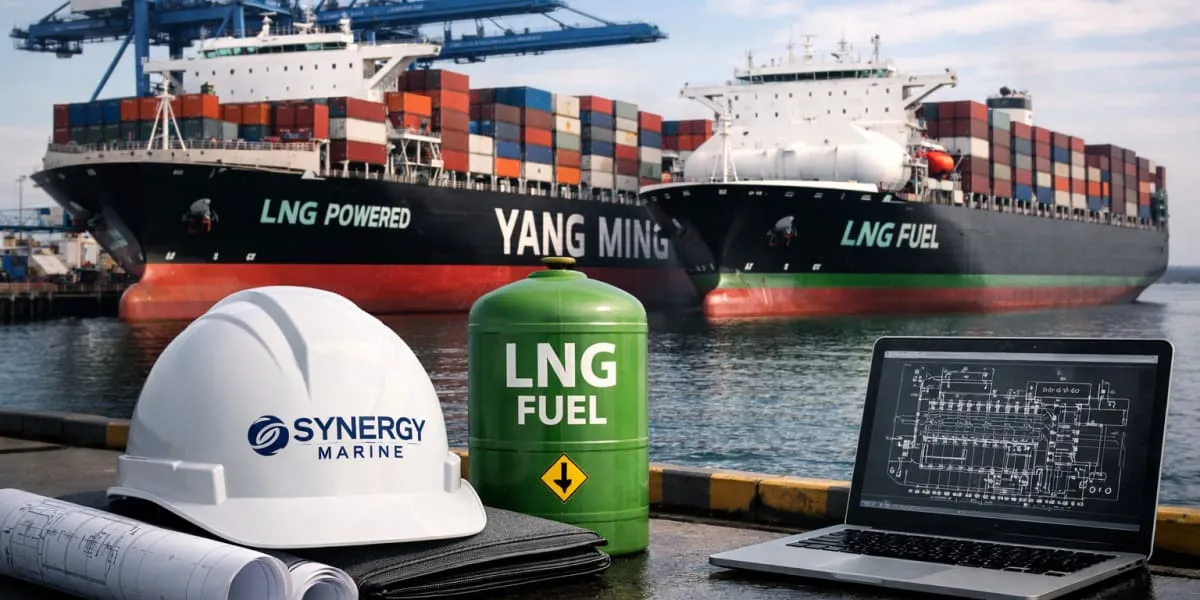
Synergy Marine has assumed technical control of Yang Ming's two liquefied natural gas dual-fuel container vessels, marking a transfer of responsibility for the ships' technical operations and maintenance. The arrangement places day-to-day oversight of engineering systems, planned maintenance, crewing coordination and technical procurement with Synergy Marine while Yang Ming retains commercial operation of the vessels. The move is presented as a measure to ensure consistent technical standards and regulatory compliance during ongoing operations.

The vessels operate on liquefied natural gas as well as conventional marine fuels, enabling flexibility in fuel choice and contributing to lower emissions compared with conventional fuel-only ships. Dual-fuel capability allows engines to switch between fuel types as operational needs and bunkering availability dictate, which is relevant for ports with differing fuel infrastructure. Such technical attributes align with broader industry efforts to reduce carbon intensity and meet evolving regulatory expectations.

Under the technical management agreement Synergy Marine will assume responsibility for machinery performance monitoring, maintenance planning, drydock oversight and spare parts logistics to sustain operational readiness. The company will also manage safety systems, crew training on fuel handling and emergency procedures, and liaise with classification societies and flag state authorities to maintain certification. Centralised technical oversight is expected to streamline fault diagnosis and response times.

Operators anticipate that dedicated technical control will enhance vessel reliability and support optimisation of maintenance cycles and fuel consumption without affecting commercial schedules. Improved technical oversight may also aid in lifecycle planning for key components and facilitate integration of fuel management practices that reduce environmental impact. The approach seeks to balance operational efficiency with adherence to safety and environmental standards.

The development reflects a continuing trend among container carriers to outsource technical management to specialised ship managers to leverage technical expertise and economies of scale. Synergy Marine's role underscores the importance of focused technical governance as shipping companies adapt to changing fuel technologies and regulatory regimes. Both parties will coordinate closely to ensure safe and uninterrupted service while meeting compliance obligations.

Synergy Marine has assumed technical control of Yang Ming's two liquefied natural gas dual-fuel container vessels, marking a transfer of responsibility for the ships' technical operations and maintenance. The arrangement places day-to-day oversight of engineering systems, planned maintenance, crewing coordination and technical procurement with Synergy Marine while Yang Ming retains commercial operation of the vessels. The move is presented as a measure to ensure consistent technical standards and regulatory compliance during ongoing operations. The vessels operate on liquefied natural gas as well as conventional marine fuels, enabling flexibility in fuel choice and contributing to lower emissions compared with conventional fuel-only ships. Dual-fuel capability allows engines to switch between fuel types as operational needs and bunkering availability dictate, which is relevant for ports with differing fuel infrastructure. Such technical attributes align with broader industry efforts to reduce carbon intensity and meet evolving regulatory expectations. Under the technical management agreement Synergy Marine will assume responsibility for machinery performance monitoring, maintenance planning, drydock oversight and spare parts logistics to sustain operational readiness. The company will also manage safety systems, crew training on fuel handling and emergency procedures, and liaise with classification societies and flag state authorities to maintain certification. Centralised technical oversight is expected to streamline fault diagnosis and response times. Operators anticipate that dedicated technical control will enhance vessel reliability and support optimisation of maintenance cycles and fuel consumption without affecting commercial schedules. Improved technical oversight may also aid in lifecycle planning for key components and facilitate integration of fuel management practices that reduce environmental impact. The approach seeks to balance operational efficiency with adherence to safety and environmental standards. The development reflects a continuing trend among container carriers to outsource technical management to specialised ship managers to leverage technical expertise and economies of scale. Synergy Marine's role underscores the importance of focused technical governance as shipping companies adapt to changing fuel technologies and regulatory regimes. Both parties will coordinate closely to ensure safe and uninterrupted service while meeting compliance obligations.

Next Story
Infrastructure Transport

Nashik Airport To Get Rs 5.72 Billion (bn) Upgrade Ahead Of Kumbh

Nashik airport will undergo a Rs 5.72 billion (bn) infrastructure upgrade intended to triple passenger handling capacity as the city prepares to host the Kumbh Mela next year. The expansion includes construction of a new 18,250 square metre terminal building with twenty four check-in counters and enhanced passenger facilities. Upon completion the airport's handling capacity is expected to rise to 1,000 passengers per hour. A new apron will double aircraft parking bays to 12 and is expected to improve aircraft handling and ease congestion during peak periods. Maharashtra Chief Minister Devendra..

Next Story
Infrastructure Transport

Noida International Airport Set For Major Expansion

The completion of phase one at Noida International Airport marks a significant milestone in regional aviation infrastructure development and sets the site on course for a major expansion programme. Located in Noida, Uttar Pradesh, the airport has established an initial operational footprint that is intended to support growing passenger and cargo demand in the National Capital Region. Government bodies and project stakeholders have indicated that subsequent phases will be prioritised to build on the foundations laid in the initial stage. The phase one works have provided basic operational capab..

Next Story
Infrastructure Transport

Maharashtra Cabinet Approves Rs 60 Billion Loan For Purandar Airport

The Maharashtra cabinet has approved a proposal to raise a loan of Rs 6,000 crore to finance the Purandar airport project. The decision authorises the state government to secure long term funding to support construction and related infrastructure for the airport near Pune. Officials indicated the measure is intended to accelerate development and strengthen regional connectivity by creating additional aviation capacity. The approval sets the financial framework for the next phase of project planning and implementation. The loan amount of Rs 6,000 crore is equivalent to Rs 60 billion (Rs 60 bn) ..

Advertisement

Subscribe to Our Newsletter

Get daily newsletters around different themes from Construction world.

STAY CONNECTED

Advertisement

Advertisement

Advertisement

Open In App