Tata Motors Takes Control of Iveco with 89.42 Per Cent Stake
ECONOMY & POLICY

Tata Motors Takes Control of Iveco with 89.42 Per Cent Stake

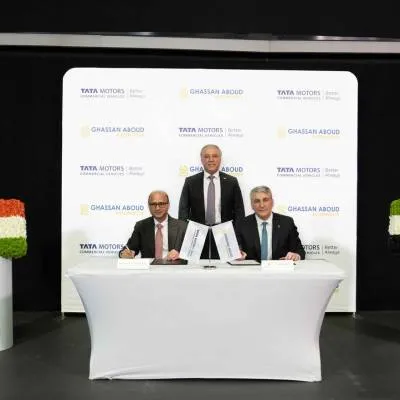
Tata Motors has taken control of Italian commercial-vehicle maker Iveco after acquiring an 89.42 per cent stake for approximately €3.43 bn, or Rs. 363.87 bn. The transaction gives India’s largest commercial-vehicle manufacturer control of a European business with annual revenue of Rs. 1.42 tn, while shifting attention to integration, cash-flow generation and repayment of acquisition debt.

TML CV Holdings B.V., Tata Motors’ indirect wholly owned subsidiary, acquired 238.16 mn common shares at €14.40 apiece. The holding represents 89.42 per cent of Iveco’s common share capital, excluding treasury shares, making Iveco an indirect subsidiary of Tata Motors. N. Chandrasekaran, Chairman of Tata Sons, has become Iveco’s non-executive chairperson and senior non-executive director, while Olof Persson remains chief executive.

Iveco reported calendar-year 2025 revenue of €13.43 bn, down 6.9 per cent from the previous year. It employs 33,000 people across 16 industrial sites and 22 research and development centres. Its trucks, buses, FPT powertrain technologies and vehicle-financing operations will join Tata Motors’ commercial-vehicle business, while its defence operations, sold separately to Leonardo, are excluded.

The companies estimated combined annual revenue of approximately €21 bn and vehicle sales exceeding 590,000 units. Europe accounts for about 46 per cent of the combined revenue base, India 32 per cent and South America 8 per cent. Tata expects benefits from complementary product portfolios, geographical reach, technology investments, distribution networks and procurement, with annual free-cash-flow synergies targeted at up to 0.5 per cent of combined revenue from FY28.

The acquisition will also test Tata’s ability to manage domestic cost pressures while integrating a larger international business. The offer will reopen from November 2 to 6, with settlement scheduled for November 13. Tata has not finalised the route to full ownership and delisting, with options including a voluntary purchase procedure, a Dutch legal squeeze-out or a post-offer demerger and liquidation.

Tata Motors has taken control of Italian commercial-vehicle maker Iveco after acquiring an 89.42 per cent stake for approximately €3.43 bn, or Rs. 363.87 bn. The transaction gives India’s largest commercial-vehicle manufacturer control of a European business with annual revenue of Rs. 1.42 tn, while shifting attention to integration, cash-flow generation and repayment of acquisition debt. TML CV Holdings B.V., Tata Motors’ indirect wholly owned subsidiary, acquired 238.16 mn common shares at €14.40 apiece. The holding represents 89.42 per cent of Iveco’s common share capital, excluding treasury shares, making Iveco an indirect subsidiary of Tata Motors. N. Chandrasekaran, Chairman of Tata Sons, has become Iveco’s non-executive chairperson and senior non-executive director, while Olof Persson remains chief executive. Iveco reported calendar-year 2025 revenue of €13.43 bn, down 6.9 per cent from the previous year. It employs 33,000 people across 16 industrial sites and 22 research and development centres. Its trucks, buses, FPT powertrain technologies and vehicle-financing operations will join Tata Motors’ commercial-vehicle business, while its defence operations, sold separately to Leonardo, are excluded. The companies estimated combined annual revenue of approximately €21 bn and vehicle sales exceeding 590,000 units. Europe accounts for about 46 per cent of the combined revenue base, India 32 per cent and South America 8 per cent. Tata expects benefits from complementary product portfolios, geographical reach, technology investments, distribution networks and procurement, with annual free-cash-flow synergies targeted at up to 0.5 per cent of combined revenue from FY28. The acquisition will also test Tata’s ability to manage domestic cost pressures while integrating a larger international business. The offer will reopen from November 2 to 6, with settlement scheduled for November 13. Tata has not finalised the route to full ownership and delisting, with options including a voluntary purchase procedure, a Dutch legal squeeze-out or a post-offer demerger and liquidation.

Related Stories

Gold Stories

Next Story
Real Estate

WSB Real Estate Partners Exits Six Housing Investments

WSB Real Estate Partners recently announced the successful exit of six residential investments across Bengaluru, Mumbai Metropolitan Region (MMR) and National Capital Region (NCR), delivering an average internal rate of return (IRR) of 19–21 per cent and an overall investment return of 1.4 times.The real estate-focused investment firm invested approximately Rs 7 billion across six mid-affordable housing projects over the past four years. All six investments were fully repaid between April and November 2026, several months ahead of their original investment tenures.WSB collaborated with sever..

Next Story
Infrastructure Transport

Aluminium Industry Seeks Policy Support for Rs 4 Trillion Investment

The Aluminium Association of India (AAI) has recently urged the government to introduce supportive policy measures to safeguard the sector’s proposed Rs 4 trillion investment pipeline. The association highlighted the need for a predictable policy framework to strengthen domestic manufacturing, expand production capacity and reduce import dependence.AAI submitted its recommendations for the Union Budget 2027-28 to the Ministries of Finance, Commerce and Industry, and Mines, along with the Department for Promotion of Industry and Internal Trade (DPIIT).India’s aluminium demand is projected t..
Next Story
Technology

ABB Unveils Intelligent Motor to Accelerate Industrial AI Adoption

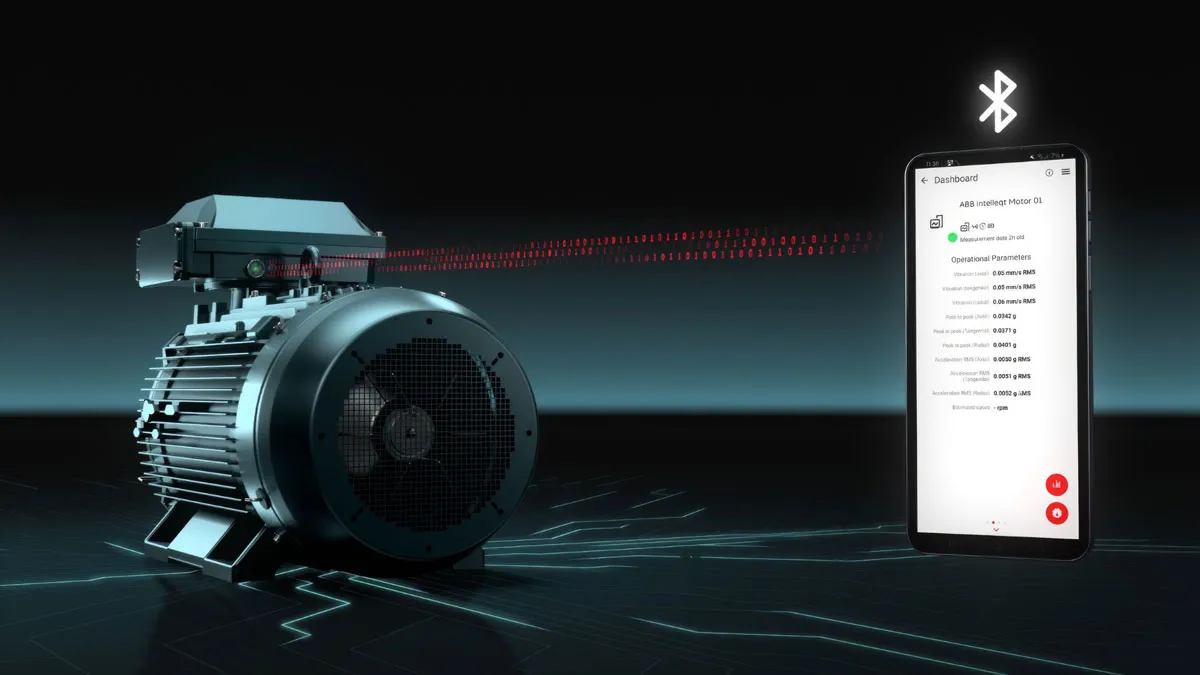
ABB recently launched Intelleqt, which it describes as the world’s first low-voltage motor with factory-integrated intelligence, at the SPS trade fair in Germany. Designed to deliver real-time operational insights from its first rotation, the motor enables industrial operators to integrate equipment-level data into existing digital platforms while retaining full ownership of their data.The launch addresses growing challenges in scaling artificial intelligence (AI) across industrial operations, particularly data quality and availability. According to Deloitte, while 84 per cent of manufacture..

Advertisement

Subscribe to Our Newsletter

Get daily newsletters around different themes from Construction world.

STAY CONNECTED

Advertisement

SPECIAL OFFER
QR Code